Eat for circulation by choosing nutrient-rich foods that support vascular function, healthy blood flow, and strong arteries for long-term heart health.
Have you ever noticed cold hands, tired legs, or that heavy feeling after sitting too long? Your circulation could be playing a role. Healthy blood flow is essential for delivering oxygen and nutrients throughout your body. When your vascular system works efficiently, you feel more energized, focused, and resilient.
The good news is that you can actively support your vascular function through nutrition. By learning how to eat for circulation, you empower your body at the cellular level. Certain foods contain compounds that help maintain flexible arteries, balanced blood pressure, and healthy blood vessels. In this guide, you’ll discover 10 powerful foods that support vascular function and how to incorporate them into your daily routine for lasting benefits.
Why Is Circulation So Important for Overall Health?
Before we dive into specific foods, it helps to understand why circulation matters so much.
Your vascular system includes arteries, veins, and capillaries that transport blood throughout your body. Good circulation ensures:
- Oxygen delivery to organs and muscles
- Removal of waste products
- Balanced blood pressure
- Proper brain function
- Healthy skin and extremities
Poor circulation may lead to fatigue, swelling, cold limbs, or more serious cardiovascular issues over time. When you eat for circulation, you are directly supporting the health of your blood vessels and endothelial function (the inner lining of your arteries).
How Nutrition Affects Vascular Function
Certain nutrients influence nitric oxide production, inflammation levels, cholesterol balance, and arterial flexibility. Diets rich in antioxidants, fiber, and healthy fats are consistently associated with better cardiovascular outcomes.
In short, what you put on your plate can either strain or strengthen your blood vessels.
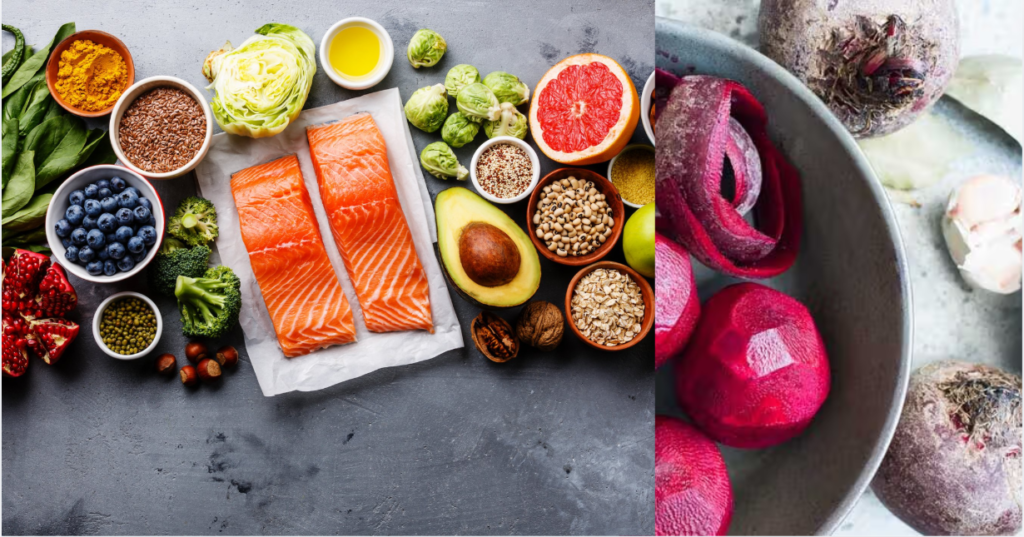
What Are the Best Foods That Support Vascular Function?
If you’re wondering which foods truly make a difference, here is a clear answer.
Featured Snippet Answer
The top foods that support vascular function include leafy greens, berries, fatty fish, nuts, seeds, citrus fruits, garlic, beets, dark chocolate (in moderation), and whole grains. These foods promote nitric oxide production, reduce inflammation, improve cholesterol levels, and enhance arterial flexibility.
Now let’s break down the top 10 foods to eat for circulation.
1. Leafy Greens: Natural Nitric Oxide Boosters
Spinach, kale, arugula, and Swiss chard are rich in dietary nitrates. Your body converts nitrates into nitric oxide, a molecule that relaxes blood vessels and improves blood flow.
Why They Work
- Support healthy blood pressure
- Improve arterial flexibility
- Reduce oxidative stress
Adding a daily salad or green smoothie is a simple way to enhance vascular function.
2. Berries: Antioxidant Powerhouses
Blueberries, strawberries, raspberries, and blackberries are packed with anthocyanins. These compounds help reduce inflammation and support blood vessel integrity.
Research suggests regular berry consumption may improve endothelial function and lower blood pressure.
Try adding berries to oatmeal, yogurt, or smoothies for a circulation-friendly boost.
3. Fatty Fish: Omega-3 Protection
Salmon, sardines, mackerel, and trout contain omega-3 fatty acids, which support heart and vascular health.
How Omega-3s Help
- Reduce inflammation
- Lower triglycerides
- Improve arterial elasticity
- Support healthy clotting balance
Aim for fatty fish two times per week to eat for circulation effectively.
4. Nuts and Seeds: Healthy Fats for Blood Flow
Almonds, walnuts, flaxseeds, and chia seeds provide healthy fats, fiber, and magnesium.
Magnesium helps regulate blood pressure, while plant-based omega-3s support vascular resilience.
A small handful daily can make a meaningful difference.
5. Citrus Fruits: Vitamin C for Arterial Strength
Oranges, lemons, grapefruits, and limes contain vitamin C, which supports collagen production in blood vessel walls.
Strong vessels are more flexible and less prone to damage. Citrus fruits also contain flavonoids that may reduce inflammation.
6. Garlic: A Natural Circulatory Enhancer
Garlic has been studied for its ability to support blood pressure and improve circulation.
Compounds like allicin may help relax blood vessels and reduce arterial stiffness.
Adding fresh garlic to meals not only enhances flavor but also supports vascular health.
7. Beets: Nitric Oxide Superfood
Beets are especially powerful when it comes to nitric oxide production.
How Beets Improve Circulation
- Increase nitric oxide levels
- Enhance exercise performance
- Support blood pressure regulation
Beet juice and roasted beets are both effective options.
8. Dark Chocolate: Flavanol Benefits
High-quality dark chocolate (70% cocoa or higher) contains flavanols that may improve endothelial function.
Moderation is key. A small square daily can support circulation without excess sugar intake.
9. Whole Grains: Fiber for Artery Health
Oats, quinoa, brown rice, and whole wheat provide fiber that helps regulate cholesterol levels.
Lower LDL cholesterol supports clearer arteries and better blood flow.
Whole grains also stabilize blood sugar, protecting vascular integrity over time.
10. Pomegranate: A Circulation-Supporting Fruit
Pomegranate contains powerful antioxidants that may reduce oxidative stress in blood vessels.
Some studies suggest it may help improve blood flow and reduce arterial plaque progression.
Fresh seeds or unsweetened juice are excellent options.
How Can You Build a Circulation-Friendly Meal Plan?
Now that you know the top foods that support vascular function, let’s turn knowledge into action.
Step 1: Build Your Plate Strategically
At each meal, aim for:
- Half your plate vegetables (including leafy greens)
- A source of lean protein (fish or legumes)
- Whole grains
- Healthy fats from nuts or olive oil
Step 2: Rotate Your Top 10 Foods
Variety ensures broad nutrient intake. For example:
- Monday: Salmon + spinach
- Tuesday: Oatmeal + berries
- Wednesday: Beet salad + walnuts
Small shifts add up.
Common Challenges When Trying to Improve Circulation Through Diet
You may feel overwhelmed trying to change everything at once. That’s normal.
Challenge 1: Processed Food Habits
Highly processed foods are convenient but often high in sodium and unhealthy fats. Gradually swap them for whole-food alternatives.
Challenge 2: Inconsistent Planning
Without meal planning, it’s easy to revert to quick options. Preparing vegetables and proteins ahead of time makes healthy choices easier.
Challenge 3: Expecting Instant Results
Improving vascular function takes time. Consistency matters more than perfection.
Advanced Strategies to Maximize Vascular Function
If you want to take your circulation to the next level, consider these additional strategies.
Combine Diet With Movement
Regular walking improves blood flow. Pairing exercise with circulation-supporting foods amplifies benefits.
Stay Hydrated
Proper hydration supports blood volume and flow.
Manage Stress
Chronic stress affects blood pressure and vascular health. Deep breathing and mindfulness can complement your nutritional efforts.
You may also explore related topics such as anti-inflammatory diets, managing cholesterol naturally, heart-healthy meal planning, and blood pressure support strategies.
Conclusion: Transform Your Health by Choosing to Eat for Circulation
Your vascular system works tirelessly every day. By choosing foods that support vascular function, you give your body the tools it needs to thrive. Leafy greens, berries, fatty fish, nuts, citrus fruits, garlic, beets, dark chocolate, whole grains, and pomegranate can all play powerful roles in enhancing circulation.
You don’t need a dramatic overhaul. Start with one meal. Add one new food this week. Small, consistent actions can transform your long-term heart health.
You have the power to eat for circulation and unlock better energy, resilience, and vitality—one plate at a time.
Important Disclaimer: This article is for informational purposes only and should not replace professional advice. For health-related topics, consult healthcare providers. For financial or legal matters, seek qualified professional guidance. For safety procedures, verify current best practices and local regulations. Individual results may vary, and personal circumstances should always be considered when implementing any suggestions.