Fertility health depends on balanced hormones working in harmony—when that balance shifts, conception and overall wellness can suffer. Learn the signs.
If you’re thinking about pregnancy—or simply want to understand your reproductive health—hormone balance matters more than you might realize. Fertility health is not just about the ability to conceive. It reflects how well your endocrine system, metabolism, and reproductive organs are communicating.
Balanced hormones create predictable cycles, stable energy, and healthy ovulation or sperm production. Hormonal impairment, on the other hand, can show up as irregular periods, low libido, fatigue, or difficulty conceiving. The encouraging truth? Many hormone-related fertility issues are manageable with early awareness and targeted lifestyle support. Let’s explore what balanced hormones truly look like—and how to recognize when something is off.
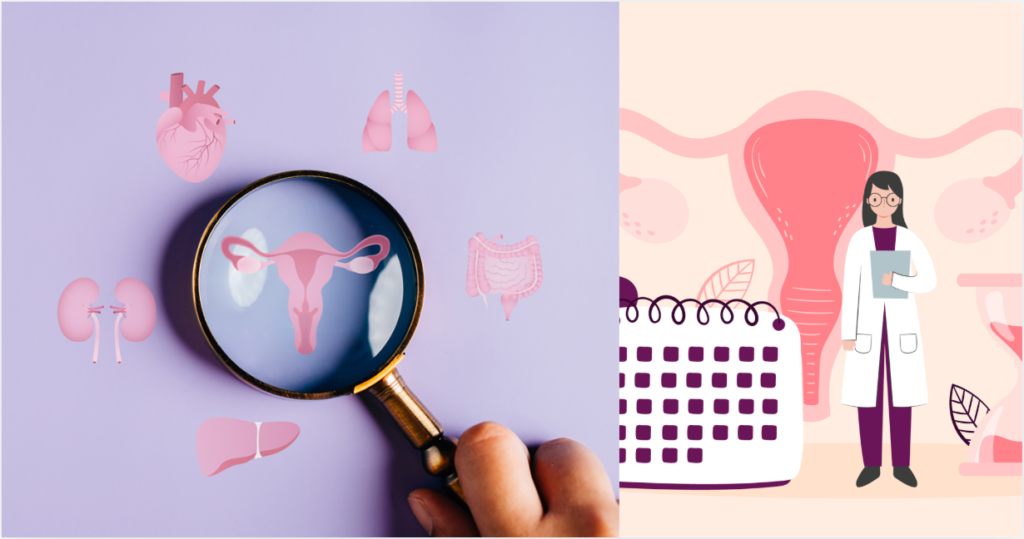
What Does Balanced Hormone Function Look Like in Fertility Health?
Understanding normal hormonal patterns helps you recognize potential problems early.
In Women: Signs of Hormonal Balance
Balanced female fertility hormones—primarily estrogen, progesterone, luteinizing hormone (LH), and follicle-stimulating hormone (FSH)—work in a coordinated monthly rhythm.
Healthy signs include:
- Regular menstrual cycles (typically 24–35 days)
- Ovulation occurring consistently
- Moderate menstrual flow without extreme pain
- Stable mood throughout most of the cycle
- Healthy cervical mucus changes around ovulation
Ovulation is the key marker. Without it, pregnancy cannot occur.
In Men: Signs of Hormonal Balance
Male fertility health depends largely on testosterone, along with FSH and LH.
Healthy indicators include:
- Normal libido
- Stable energy levels
- Healthy muscle mass
- Normal sperm count and motility
- Absence of erectile dysfunction
Balanced hormones support steady sperm production and reproductive function.
Hormonal Harmony Beyond Reproduction
Balanced fertility hormones also support:
- Bone density
- Cardiovascular health
- Cognitive clarity
- Emotional stability
Fertility health reflects overall endocrine health.
What Are the Signs of Hormonal Impairment?
When hormones fall out of balance, fertility may be affected.
Quick Answer (Featured Snippet Potential)
Signs of hormonal imbalance affecting fertility include irregular menstrual cycles, missed ovulation, low sperm count, unexplained weight changes, fatigue, mood swings, and difficulty conceiving after 12 months of trying (or 6 months if over age 35).
Common Female Hormonal Disruptions
- Polycystic ovary syndrome (PCOS)
- Thyroid disorders
- Low progesterone
- High prolactin
- Premature ovarian insufficiency
Symptoms may include:
- Irregular or absent periods
- Excess facial hair (in PCOS)
- Acne
- Unexplained weight gain
- Infertility
Common Male Hormonal Impairments
- Low testosterone
- Impaired sperm production
- Obesity-related hormonal suppression
- Chronic stress and cortisol elevation
Symptoms can include:
- Reduced libido
- Fatigue
- Decreased muscle mass
- Poor sperm parameters
Hormonal impairment doesn’t always mean infertility—but it often signals underlying imbalance.
How Do Lifestyle Factors Impact Fertility Hormones?
Your daily habits play a major role in fertility health.
Nutrition and Insulin Sensitivity
High sugar intake and insulin resistance can disrupt:
- Ovulation
- Testosterone levels
- Egg quality
- Sperm health
Balanced blood sugar is foundational for reproductive health. This connects naturally to related topics like metabolic health and insulin resistance management.
Chronic Stress and Cortisol
When stress remains high, cortisol can interfere with:
- Ovulation
- Testosterone production
- Thyroid function
The body prioritizes survival over reproduction during prolonged stress.
Sleep and Circadian Rhythm
Poor sleep affects:
- Melatonin production
- Hormone regulation
- Sperm quality
- Menstrual cycle regularity
Aim for 7–9 hours of consistent sleep to support endocrine stability.
Step-by-Step: How to Support Balanced Fertility Hormones
If you suspect hormonal imbalance, small targeted changes can make a meaningful difference.
Step 1: Track Your Cycle or Symptoms
For women:
- Record cycle length
- Monitor ovulation signs
- Note mood or energy changes
For men:
- Track energy, libido, and exercise tolerance
Awareness is powerful.
Step 2: Optimize Nutrition
Focus on:
- Lean proteins
- Healthy fats (omega-3s)
- Fiber-rich vegetables
- Whole, unprocessed foods
Reduce excessive sugar and ultra-processed foods. Nutrient-dense diets support egg and sperm quality.
Step 3: Strength Training and Movement
Exercise improves:
- Insulin sensitivity
- Testosterone levels
- Circulation to reproductive organs
Moderate, consistent movement is more beneficial than extreme training.
Step 4: Address Thyroid Health
Thyroid hormones strongly influence fertility. Symptoms like fatigue, cold intolerance, or hair thinning warrant evaluation.
If exploring deeper hormone topics, articles on thyroid balance and reproductive health would provide strong internal linking opportunities.
Advanced Strategies to Improve Fertility Health
Once foundational habits are in place, consider these deeper approaches.
Manage Body Composition
Both underweight and overweight conditions can impair fertility. Even a 5–10% weight adjustment can restore ovulation in some women.
Reduce Environmental Toxins
Limit exposure to:
- Endocrine-disrupting plastics
- Excessive alcohol
- Smoking
- Pesticide residues
These can interfere with hormone signaling.
Consider Medical Testing
A comprehensive fertility evaluation may include:
- Hormone panels (FSH, LH, estrogen, progesterone, testosterone)
- Thyroid function tests
- Insulin and glucose testing
- Semen analysis (for men)
Early testing prevents prolonged frustration.
Common Challenges and How to Navigate Them
Fertility journeys can be emotionally complex.
“My Cycles Are Irregular—Should I Be Worried?”
Occasional irregularity is common. Persistent irregular cycles, however, may indicate ovulatory dysfunction and deserve medical review.
“We’ve Been Trying Without Success.”
If under 35 and trying for 12 months—or over 35 and trying for 6 months—consult a fertility specialist.
Early intervention improves outcomes.
“All My Labs Are Normal, But I Don’t Feel Right.”
Subtle hormone imbalances may not always appear in basic testing. Functional assessments and lifestyle adjustments can still improve fertility health.
Stay proactive and patient.
Maximizing Long-Term Hormone Balance
Fertility health is not just about conception—it’s about lifelong hormonal wellness.
Build Sustainable Habits
- Eat balanced meals
- Move regularly
- Sleep consistently
- Manage stress intentionally
Consistency transforms outcomes.
Integrate Preventive Care
Routine check-ups allow early detection of thyroid issues, metabolic syndrome, or reproductive disorders.
Support Emotional Well-Being
Stress around fertility can worsen hormonal imbalance. Counseling, support groups, or stress-reduction practices can protect both mental and reproductive health.
Fertility reflects the whole body—not just reproductive organs.
Conclusion: Balanced Hormones Are the Foundation of Fertility Health
Fertility health thrives when hormones communicate clearly and consistently. Balanced hormones mean predictable cycles, steady energy, healthy sperm production, and a body prepared for reproduction. Hormonal impairment, by contrast, often reveals deeper metabolic or endocrine stress.
The empowering message is this: many fertility challenges linked to hormone imbalance are modifiable. With awareness, targeted lifestyle changes, and timely medical support, you can restore balance and improve your reproductive potential.
Listen to your body. Track patterns. Take action early. Fertility health is not just about starting a family—it’s about strengthening your long-term hormonal well-being.
Important Disclaimer: This article is for informational purposes only and should not replace professional advice. For health-related topics, consult healthcare providers. For financial or legal matters, seek qualified professional guidance. For safety procedures, verify current best practices and local regulations. Individual results may vary, and personal circumstances should always be considered when implementing any suggestions.