Meta Description (150–160 characters):
Discover common cooking mistakes that deplete nutrients, harm health, and learn practical tips to retain maximum vitamins and minerals in your meals.
Cooking at home is often considered a cornerstone of a healthy lifestyle, but did you know that the way you prepare your meals can dramatically affect their nutritional value? Everyday cooking errors—like overcooking vegetables, using excessive water, or improper storage—can destroy vitamins, minerals, and antioxidants that your body relies on. By identifying these mistakes and adjusting your cooking habits, you can unlock the full potential of your meals and support long-term wellness.
In this article, we’ll explore the most common cooking errors, why they matter, and how simple changes can preserve nutrients while enhancing flavor. Whether you’re a beginner or a seasoned home cook, these tips will empower you to cook smarter, healthier, and more deliciously.
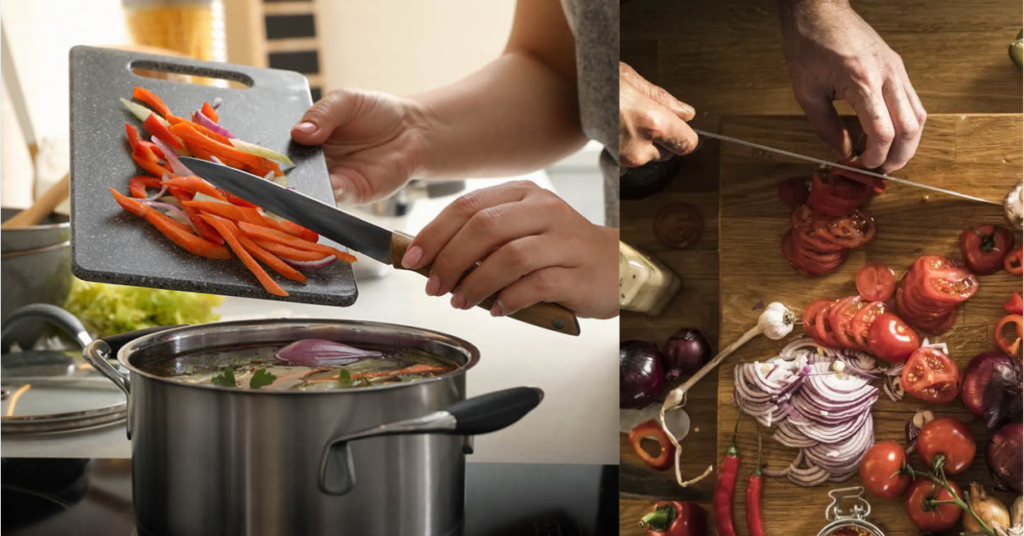
Section 1: Understanding Nutrient Loss in Cooking
Cooking isn’t just about flavor—it’s a chemical process that can affect the nutritional content of food. Understanding how nutrients are lost is the first step toward improvement.
The Science Behind Nutrient Destruction
- Heat Sensitivity: Vitamins like C and some B-complex vitamins are highly sensitive to heat. Prolonged cooking can reduce their levels significantly.
- Water Solubility: Water-soluble vitamins dissolve in cooking liquids. Boiling vegetables in large amounts of water can wash away essential nutrients.
- Oxidation: Exposure to air during chopping, mixing, or resting can oxidize nutrients, especially antioxidants.
Common Nutrients Affected
- Vitamin C and folate in vegetables
- Vitamin B1 (thiamine) in grains and legumes
- Polyphenols and antioxidants in fruits and vegetables
Understanding which nutrients are fragile helps you make informed decisions about cooking methods and timings.
Section 2: Frequent Cooking Mistakes to Avoid
Avoiding these common errors can dramatically improve the nutrient content of your meals.
Overcooking Vegetables
Why it happens: Many people cook vegetables until soft, assuming it enhances digestibility.
Impact: Excessive heat and cooking time can destroy up to 50% of vitamin C and folate.
Practical Tip: Steam, sauté lightly, or blanch vegetables for short periods to retain nutrients and color.
Using Excess Water
Why it happens: Boiling is simple and fast, but often uses more water than needed.
Impact: Water-soluble nutrients leach into the cooking water and are often discarded.
Practical Tip: Use minimal water or repurpose the cooking water in soups and sauces to retain nutrients.
High-Temperature Frying
Why it happens: Frying is convenient and tasty.
Impact: High heat oxidizes fats and reduces heat-sensitive vitamins. Repeated reuse of oil can produce harmful compounds.
Practical Tip: Use moderate temperatures and limit oil reuse. Opt for steaming, roasting, or baking when possible.
Peeling Too Much
Why it happens: Many peel vegetables and fruits for aesthetics or texture preferences.
Impact: Peels often contain concentrated nutrients and antioxidants.
Practical Tip: Wash thoroughly and consume skins whenever safe, such as on apples, carrots, and potatoes.
Improper Storage Before Cooking
Why it happens: Prepping ingredients far in advance or storing them inappropriately.
Impact: Nutrient degradation begins even before cooking. Vitamin C and antioxidants decline with prolonged air and light exposure.
Practical Tip: Store produce in cool, dark environments and prepare close to cooking time for maximum retention.
Section 3: Cooking Methods That Preserve Nutrients
Switching to smarter cooking techniques can help retain vitamins, minerals, and antioxidants.
Steaming and Microwaving
- Why it works: Both methods minimize water contact and reduce cooking time.
- Example: Steaming broccoli for 3–5 minutes retains more vitamin C than boiling for 10 minutes.
Sautéing and Stir-Frying
- Why it works: Quick cooking over moderate heat preserves heat-sensitive nutrients while enhancing flavor.
- Tip: Use a small amount of healthy oil like olive or avocado oil to boost absorption of fat-soluble vitamins A, D, E, and K.
Roasting and Baking
- Why it works: Dry-heat methods retain more minerals and antioxidants than boiling.
- Tip: Lightly coat vegetables with oil and roast at moderate temperatures to maintain nutrients and flavor.
Section 4: Troubleshooting Common Challenges
Even with awareness, mistakes happen. Here’s how to recover and optimize nutrient retention.
Cooking Large Quantities
Problem: Nutrients degrade faster in large batches that require longer cooking.
Solution: Cook in smaller portions, use steaming baskets, or split vegetables into multiple pans to reduce time.
Overseasoning or Overcooking Meat
Problem: High heat and excessive seasoning can reduce B-vitamins in meats.
Solution: Marinate meats briefly, use moderate cooking temperatures, and avoid prolonged exposure to open flames.
Relying on Prepackaged Meals
Problem: Frozen or processed foods may contain less bioavailable nutrients.
Solution: Choose minimally processed items, steam frozen vegetables directly, and enhance meals with fresh herbs and fruits.
Section 5: Maximizing Nutritional Value in Everyday Cooking
Making small adjustments can significantly impact overall nutrient intake.
Combine Nutrient-Preserving Techniques
- Steam vegetables lightly, then toss with a small amount of sautéed garlic or olive oil.
- Incorporate raw fruits and greens as salads to supplement cooked dishes.
- Use leftover cooking water in soups, sauces, or smoothies to reclaim lost nutrients.
Plan Meals Strategically
- Rotate cooking methods to maintain variety and nutrient coverage.
- Prepare vitamin-rich foods last to minimize time exposed to heat and air.
- Incorporate herbs, spices, and citrus, which can enhance antioxidant activity.
Related Health Topics
Monitoring cooking practices complements broader wellness strategies such as:
- Balanced diet planning
- Healthy meal prep techniques
- Weight management strategies
- Gut-friendly cooking methods
Conclusion: Cook Smarter, Boost Your Health
Cooking is an art, but also a science that directly impacts your health. By avoiding common errors like overcooking, using too much water, and discarding peels, you preserve the nutrients that fuel your body. Implementing nutrient-friendly methods such as steaming, sautéing, and roasting empowers you to maximize the health benefits of every meal.
Small, conscious changes in your daily cooking routine can unlock more energy, support immune function, and improve long-term wellness. Take control of your kitchen today—your body will thank you for every mindful choice you make.
Important Disclaimer: This article is for informational purposes only and should not replace professional advice. For health-related topics, consult healthcare providers. Individual results may vary, and personal circumstances should always be considered when implementing any suggestions.