As technology increasingly integrates into our daily lives, concerns about potential health impacts from prolonged device use are emerging. A recent Chinese epidemiological study has highlighted a potential connection between long-term Bluetooth use and the development of thyroid nodules. These findings provide important insights into how everyday wireless technology might affect thyroid health, prompting further investigation and raising awareness about preventive measures.
This article delves into the study’s findings, explores the mechanisms that may link Bluetooth exposure to thyroid nodules, and offers practical guidance for those looking to minimize risks. By understanding the research, you can make informed decisions about device usage and protect your thyroid health while staying connected in today’s digital world.
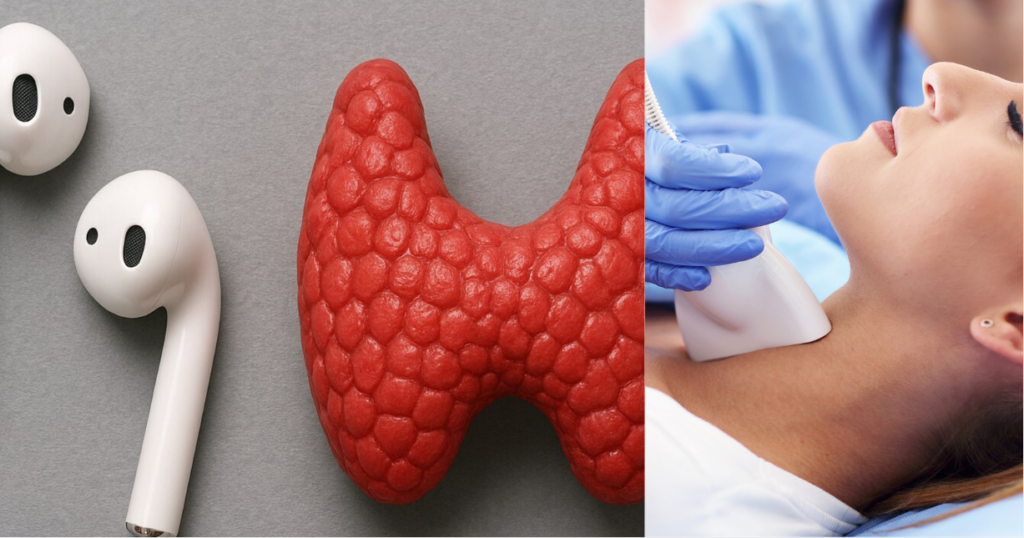
Understanding Thyroid Nodules
Before examining the study, it’s essential to understand what thyroid nodules are and why they matter.
What Are Thyroid Nodules?
Thyroid nodules are abnormal growths in the thyroid gland, a butterfly-shaped organ located at the base of the neck. While many nodules are benign, some can lead to hormonal imbalances or, in rare cases, thyroid cancer. Symptoms may include:
- Lumps or swelling in the neck
- Difficulty swallowing or breathing
- Hoarseness
- Hormonal irregularities such as unexplained weight changes
Most thyroid nodules do not produce noticeable symptoms, making early detection crucial.
Causes and Risk Factors
Traditional risk factors for thyroid nodules include:
- Age and gender: Women over 40 are more prone
- Iodine deficiency or excess
- Genetic predisposition
- Exposure to radiation
Emerging research suggests that environmental factors, including electromagnetic fields (EMFs) from wireless devices, may also play a role.
Overview of the Chinese Epidemiological Study
The recent Chinese study investigated the relationship between long-term Bluetooth exposure and thyroid nodule prevalence among adults.
Study Design and Population
Researchers conducted a large-scale population study involving thousands of participants from urban and rural areas. Participants reported their Bluetooth usage patterns, including:
- Daily duration of use
- Device types (headsets, earbuds, hands-free systems)
- Cumulative years of usage
Ultrasound imaging and medical examinations were performed to identify thyroid nodules and abnormalities.
Key Findings
The study revealed several noteworthy trends:
- Increased prevalence: Long-term Bluetooth users exhibited a higher prevalence of thyroid nodules compared to non-users.
- Duration-dependent risk: The risk appeared to increase with prolonged daily use and cumulative years of exposure.
- Gender considerations: Female participants showed slightly higher susceptibility, aligning with general trends in thyroid nodule development.
These results suggest a potential association between prolonged low-level EMF exposure and thyroid health, although causality remains unconfirmed.
How Bluetooth Exposure Might Affect the Thyroid
Understanding the mechanisms behind this association helps contextualize the findings.
Electromagnetic Fields (EMFs)
Bluetooth devices emit low-intensity radiofrequency EMFs, which can penetrate superficial tissues, including the neck area where the thyroid is located.
- EMFs may induce cellular stress or oxidative damage, potentially contributing to abnormal tissue growth.
- While exposure is significantly lower than cell phones or Wi-Fi routers, cumulative effects over years are a concern.
Hormonal and Cellular Effects
Experimental studies indicate that EMFs may influence:
- Thyroid hormone synthesis
- Cell proliferation and apoptosis in glandular tissue
- Reactive oxygen species (ROS) generation, leading to DNA damage
These mechanisms provide plausible biological explanations for the observed increase in thyroid nodule formation among long-term Bluetooth users.
Practical Tips for Reducing Exposure
While research is ongoing, there are practical steps you can take to minimize potential risks.
Device Usage Strategies
- Limit daily Bluetooth use: Shorten phone calls or use speaker mode.
- Switch sides periodically: Avoid constant exposure to the same area of the neck.
- Maintain distance: Keep Bluetooth devices slightly away from the thyroid when possible.
Lifestyle and Health Considerations
- Regular thyroid check-ups: Ultrasound screening can detect nodules early.
- Balanced diet: Ensure adequate iodine and antioxidants to support thyroid health.
- Reduce additional EMF exposure: Minimize prolonged use of other wireless devices near the neck area.
These strategies can help you stay connected while protecting your thyroid.
Addressing Common Questions
Are All Bluetooth Devices Dangerous?
Not all devices carry the same risk. Factors influencing exposure include:
- Power output
- Proximity to the thyroid
- Duration of daily use
Short-term or intermittent use is unlikely to pose significant risk, but chronic, long-term exposure may warrant caution.
Should I Stop Using Bluetooth Devices?
Immediate cessation is not necessary. Instead, adopt protective habits such as alternating devices, limiting duration, and combining with lifestyle measures that support thyroid health.
Is This a Cause for Panic?
No. The study shows association, not definitive causation. Awareness and precaution are key while further research continues to clarify the relationship.
Integrating Preventive Health Practices
Beyond limiting Bluetooth exposure, integrating thyroid-friendly habits enhances overall wellness.
Nutrition for Thyroid Support
- Iodine-rich foods: Seaweed, dairy, and eggs
- Selenium sources: Brazil nuts, fish, and sunflower seeds
- Antioxidants: Fruits, vegetables, and green tea to combat oxidative stress
Monitoring and Screening
- Annual thyroid check-ups for adults over 30
- Ultrasound or blood tests if you experience neck swelling or hormonal changes
By combining technological precautions with health-conscious habits, you can proactively support thyroid function.
Next Steps for Research and Awareness
The Chinese epidemiological study underscores the importance of continued investigation into low-level EMF exposure and thyroid health. Future research should explore:
- Longitudinal studies to assess causal relationships
- Device-specific EMF measurements and tissue penetration
- Preventive guidelines for safe wireless device use
Meanwhile, informed awareness allows individuals to balance modern technology with proactive health measures.
Conclusion: Balancing Connectivity and Thyroid Health
Emerging research suggests a potential link between long-term Bluetooth use and thyroid nodules, highlighting the need for mindful device usage. While the risk is not fully established, adopting precautionary strategies—such as limiting duration, maintaining distance, and monitoring thyroid health—can reduce exposure while maintaining connectivity.
By staying informed and proactive, you can protect your thyroid, support overall well-being, and continue to embrace modern technology responsibly. Awareness, prevention, and regular health checks empower you to navigate this digital age safely.
Important Disclaimer: This article is for informational purposes only and should not replace professional medical advice. For thyroid or health-related concerns, consult a qualified healthcare provider. Individual results may vary, and personal circumstances should always be considered when implementing any suggestions.