Cancer remains one of the most complex and challenging diseases affecting millions worldwide. Understanding its underlying mechanisms is crucial for prevention, early detection, and treatment. In this article, we delve into the cellular and molecular processes that drive cancer onset, helping you grasp how seemingly normal cells transform into aggressive, uncontrolled growths. By learning these fundamental concepts, you can better appreciate the importance of lifestyle choices, screening, and scientific advances in reducing cancer risk.
Meta description: Explore the core mechanisms behind cancer onset, from cellular mutations to environmental triggers, and discover strategies to support prevention and early detection.
Understanding the Basics of Cancer
Before diving into advanced mechanisms, it’s essential to understand what cancer is at its core. Simply put, cancer arises when cells in the body start to grow uncontrollably and evade normal regulatory systems. Unlike healthy cells, these abnormal cells ignore growth signals, resist programmed death (apoptosis), and often invade surrounding tissues.
The Role of Genetic Mutations
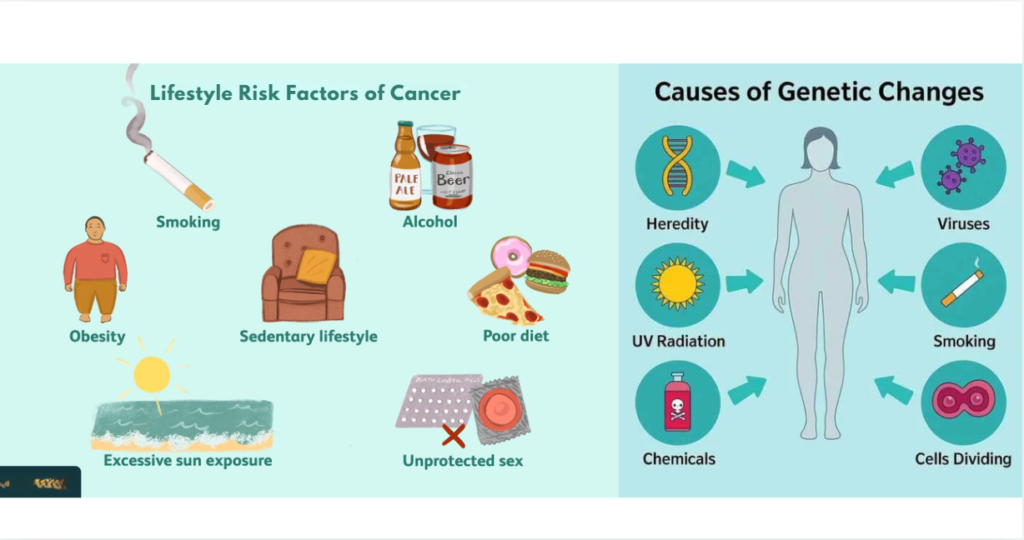
Cancer often begins with mutations in the DNA, the blueprint of our cells. These mutations can be:
- Inherited: Passed down from parents (e.g., BRCA1/2 in breast cancer)
- Acquired: Resulting from environmental factors or random errors during cell division
Mutations may affect key genes controlling:
- Proto-oncogenes: Normally promote healthy cell growth; when mutated, they become oncogenes, driving uncontrolled proliferation
- Tumor suppressor genes: Regulate cell division and repair DNA damage; when inactivated, they remove critical safety checks
Environmental and Lifestyle Triggers
External factors can contribute to mutations and cancer development, including:
- Tobacco use
- Radiation exposure
- Certain chemicals and pollutants
- Poor diet and obesity
Recognizing these risk factors empowers you to make lifestyle adjustments that reduce overall cancer risk.
Cellular Pathways Involved in Cancer Onset
Cancer progression is rarely the result of a single mutation. Multiple pathways and cellular processes converge to create the malignant phenotype.
Uncontrolled Cell Division
At the heart of cancer is unchecked cell proliferation. Healthy cells follow a regulated cycle of growth, DNA replication, and division. Cancer cells often bypass checkpoints, allowing them to multiply rapidly.
- Cyclins and CDKs: Proteins that regulate the cell cycle may become dysregulated in cancer
- Checkpoint failures: Cells with DNA damage may continue dividing instead of repairing themselves
Evading Apoptosis
Programmed cell death prevents damaged cells from accumulating. In cancer:
- p53 gene mutations prevent the activation of apoptosis
- Survival pathways are enhanced, allowing abnormal cells to thrive
Angiogenesis and Tumor Growth
For tumors to grow beyond a small size, they need a blood supply. Cancer cells can release signals that stimulate angiogenesis, forming new blood vessels to feed the tumor. This not only fuels growth but also provides a route for metastasis.
Advanced Mechanisms: How Cancer Spreads and Persists
Understanding how cancer invades other tissues and persists is critical for grasping its complexity.
Metastasis: The Journey Beyond the Primary Tumor
Cancer cells can detach from the original tumor, travel through blood or lymphatic systems, and colonize distant organs. Key processes include:
- Epithelial-mesenchymal transition (EMT): Cells gain mobility and invasiveness
- Immune evasion: Cancer cells can hide from the immune system using checkpoint proteins
Epigenetic Changes
Beyond DNA mutations, cancer cells often undergo epigenetic modifications—changes in gene expression without altering the DNA sequence. These changes can:
- Silence tumor suppressor genes
- Activate genes that promote growth and invasion
- Contribute to drug resistance
Chronic Inflammation
Persistent inflammation can damage DNA, promote cell proliferation, and create a tumor-friendly environment. Conditions such as inflammatory bowel disease or chronic hepatitis are associated with higher cancer risk due to this mechanism.
Preventive Strategies and Early Detection
While genetics play a role, lifestyle and awareness significantly influence cancer risk. You can take steps to support cellular health and detect potential problems early.
Lifestyle Modifications
- Maintain a balanced diet rich in fruits, vegetables, and whole grains
- Avoid smoking and limit alcohol intake
- Engage in regular physical activity
- Protect against excessive sun and environmental toxins
Screening and Monitoring
Regular screenings help identify cancers at early, treatable stages:
- Mammograms, Pap smears, and colonoscopies
- Blood tests and imaging for high-risk individuals
- Genetic counseling for families with hereditary risk
Immune System Support
A robust immune system can help detect and destroy abnormal cells before they progress. Focus on:
- Adequate sleep
- Stress management
- Nutrient-rich diet, including antioxidants and vitamins
Overcoming Common Misconceptions
“Cancer is always inherited”
Most cancers are acquired, influenced by lifestyle and environment, not strictly inherited genetics.
“Detoxes prevent cancer”
While supporting general health is valuable, no detox reliably prevents cancer. Evidence-based strategies like diet, exercise, and screenings are far more impactful.
“All tumors are cancerous”
Some growths, like benign tumors, do not invade other tissues or metastasize. Understanding the difference reduces unnecessary fear.
Maximizing Cellular Health for Cancer Prevention
- Antioxidant-rich foods: Protect DNA from oxidative stress
- Regular exercise: Improves immune surveillance and reduces inflammation
- Healthy gut microbiome: Supports metabolism and detoxification pathways
- Stress reduction: Chronic stress can impact immune function and inflammation
By integrating these practices into daily life, you strengthen the body’s natural defenses and reduce cancer-promoting conditions.
Conclusion: Empower Yourself Through Knowledge and Action
Decoding cancer involves understanding the cellular and molecular processes that transform normal cells into malignant growths. While genetics can predispose, lifestyle choices, environmental awareness, and early detection play a pivotal role in prevention. By nourishing your body, monitoring your health, and staying informed, you empower yourself to reduce risk and support overall wellness. Remember, small, consistent actions—like balanced nutrition, regular exercise, and routine screenings—can make a significant difference in maintaining a healthy, resilient body.
Important Disclaimer: This article is for informational purposes only and should not replace professional medical advice. Consult healthcare providers for guidance on cancer prevention, screening, or treatment.