Your kidneys work tirelessly behind the scenes, filtering waste, balancing fluids, and supporting overall wellness. Yet, many of us take them for granted until warning signs appear. Recognizing the early indicators of kidney strain is crucial for maintaining long-term health, preventing serious complications, and empowering yourself to take proactive steps.
This article will guide you through the most common signs your kidneys may be under stress, practical strategies for support, and lifestyle adjustments that can protect and optimize kidney function. By understanding these warning signals, you can act early, enhance your overall well-being, and gain peace of mind.
Meta description (150–160 characters): Learn to recognize early kidney strain signs. Discover top indicators, proactive steps, and lifestyle tips for optimal kidney health and wellness.
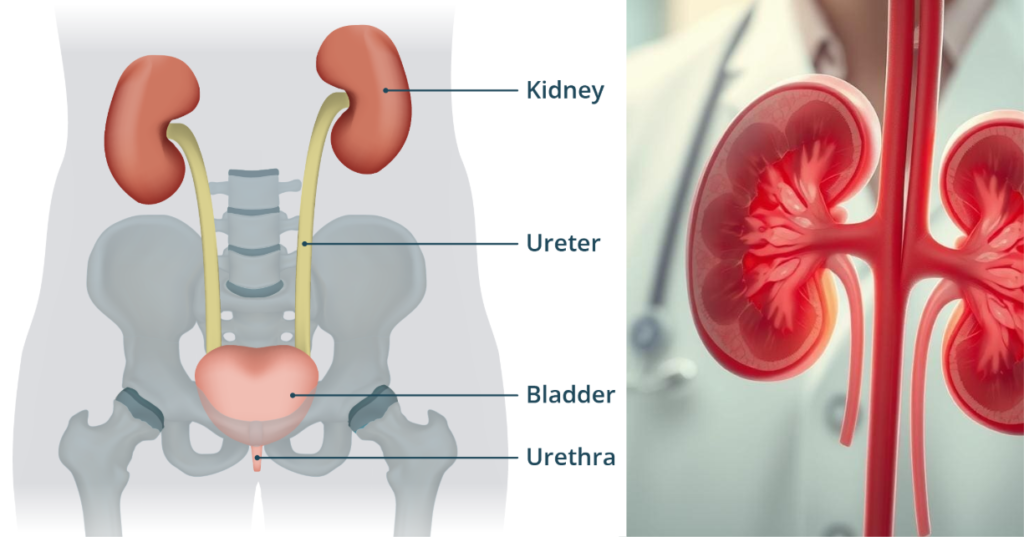
Understanding Kidney Function and Its Importance
Before diving into warning signs, it’s essential to grasp how kidneys function and why their health matters.
What Kidneys Do
Kidneys are small but powerful organs located on either side of your spine. Their primary roles include:
- Filtering blood to remove waste and toxins
- Regulating fluid and electrolyte balance
- Producing hormones that support blood pressure and red blood cell production
- Activating vitamin D for bone health
Why Early Detection Matters
Kidney issues often develop silently, and symptoms may appear only after significant strain. Detecting problems early allows for intervention, lifestyle adjustments, and possibly preventing chronic kidney disease (CKD).
Common Indicators of Kidney Strain
Recognizing subtle changes in your body is the first step in maintaining kidney health.
1. Changes in Urination
Your urinary patterns can reveal a lot about kidney function:
- Increased or decreased frequency
- Foamy or bubbly urine, indicating protein leakage
- Dark-colored urine or blood presence
These shifts may indicate that your kidneys are struggling to filter effectively.
2. Persistent Fatigue and Weakness
Kidney strain can reduce red blood cell production, leading to anemia:
- Unusual tiredness even with sufficient rest
- Difficulty concentrating
- General weakness
If these symptoms persist, a kidney assessment may be necessary.
3. Swelling in Extremities
Fluid retention due to impaired kidney filtration often manifests as:
- Swollen hands, feet, or ankles
- Puffiness around eyes
This swelling occurs when excess fluid and sodium accumulate in your body.
4. Skin and Itching Issues
Toxins that kidneys cannot properly filter may cause:
- Dry, itchy skin
- Rash-like irritations
- Discoloration in severe cases
Persistent skin problems could signal underlying kidney dysfunction.
5. Back Pain or Flank Discomfort
While not always indicative of kidney problems, pain near your lower back or sides may warrant attention, particularly if combined with urinary changes or swelling.
6. Nausea, Vomiting, or Appetite Loss
Accumulation of waste products can trigger:
- Digestive disturbances
- Persistent nausea
- Reduced appetite
These signs often accompany more advanced kidney issues but should not be ignored.
Proactive Steps to Support Kidney Health
Understanding warning signs is only part of the equation. Here’s how to act early.
Regular Hydration
Water supports kidney filtration:
- Aim for 6–8 glasses daily
- Adjust for activity level, climate, and health conditions
Balanced Diet
Prioritize kidney-friendly foods:
- Fresh fruits and vegetables
- Lean proteins in moderation
- Limit excess salt, sugar, and processed foods
Monitor Blood Pressure and Blood Sugar
High blood pressure and uncontrolled diabetes are leading contributors to kidney strain. Regular monitoring and control are crucial for prevention.
Advanced Strategies for Kidney Support
If you notice early warning signs, consider these strategies:
Herbal and Nutritional Support
Certain natural compounds can help protect kidneys:
- Green tea for antioxidants
- Omega-3-rich foods for inflammation reduction
- Cranberry extracts to support urinary tract health
Lifestyle Integration
- Engage in regular moderate exercise
- Maintain a healthy weight
- Avoid smoking and limit alcohol consumption
Medical Check-Ups
Routine blood and urine tests allow for early detection of potential issues. Ask your healthcare provider about:
- Serum creatinine and eGFR levels
- Urinalysis for protein or blood
- Blood pressure monitoring
Troubleshooting Common Kidney Health Challenges
Even with awareness, maintaining kidney health can encounter obstacles.
Coping with Dietary Restrictions
Kidney-friendly diets may feel restrictive. Solutions include:
- Finding creative recipes that limit sodium without sacrificing flavor
- Using herbs and spices to enhance taste
- Gradually adjusting diet to improve adherence
Managing Fatigue
Persistent tiredness can make lifestyle changes challenging. Combat fatigue with:
- Adequate sleep routines
- Short, frequent walks to increase energy
- Hydration and nutrient-dense snacks
Addressing Swelling
If swelling persists despite hydration and reduced salt intake:
- Elevate legs when resting
- Limit prolonged standing or sitting
- Seek professional evaluation promptly
Maximizing Kidney Health for the Long Term
Sustainable kidney health comes from consistent lifestyle habits.
Maintain a Daily Routine
- Balanced hydration and diet
- Consistent physical activity
- Regular monitoring of blood pressure and glucose
Track Symptoms
Keep a journal of:
- Urinary patterns
- Swelling or skin changes
- Energy levels
This helps detect trends early and informs discussions with your healthcare provider.
Complementary Strategies
- Mindful stress reduction to support cardiovascular health
- Avoid unnecessary over-the-counter medications that can strain kidneys
- Educate yourself about kidney-friendly nutrition
Conclusion
Your kidneys quietly work to keep your body in balance, but they need your attention and care. Recognizing early warning signs such as changes in urination, fatigue, swelling, and skin issues empowers you to act before serious complications arise. By adopting proactive strategies—hydration, diet, exercise, and regular monitoring—you can protect kidney function and maintain overall health.
Take charge today: listen to your body, implement supportive habits, and consult healthcare professionals when necessary. Your kidneys will thank you for it, and you’ll gain the confidence of a healthier, more resilient body.
Important Disclaimer: This article is for informational purposes only and should not replace professional medical advice. Consult a healthcare provider for kidney concerns or before starting any new health routine. Individual results may vary.