Mouth sores can be painful, frustrating, and disruptive to daily life. Whether it’s a sudden ulcer, a persistent lesion, or recurring irritation, understanding the causes and solutions is key to maintaining comfort and oral health. By learning about the different types of mouth sores and their triggers, you can take proactive steps to prevent flare-ups and promote faster healing.
In this guide, we’ll explore mouth sores in detail, explaining why they occur, the symptoms to watch for, and effective solutions you can implement at home or with professional guidance. You’ll discover practical strategies that help you manage discomfort, prevent recurrence, and keep your mouth healthy and resilient.
Meta description (150–160 characters): Learn to identify and manage mouth sores with effective solutions, understand causes, and discover preventive strategies for lasting oral comfort.
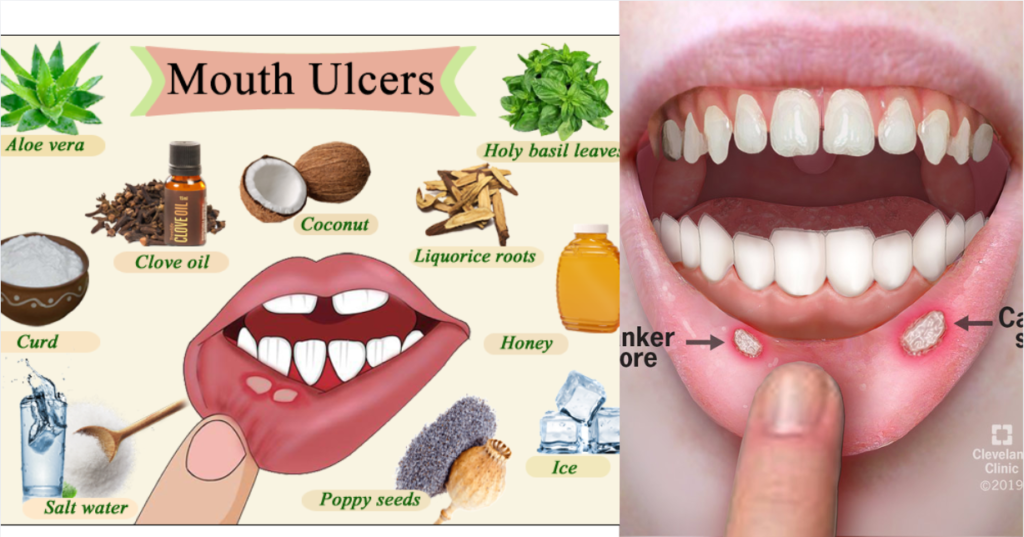
Understanding Mouth Sores: The Basics
Mouth sores, also known as oral lesions, are areas of irritation or ulceration that develop on the lips, gums, tongue, or inner cheeks. They can be temporary, painful, and sometimes recurrent, affecting your ability to eat, speak, and enjoy daily life.
Types of Mouth Sores
- Canker Sores (Aphthous Ulcers): Small, round ulcers with a white or yellow center and a red border, often triggered by stress, hormonal changes, or minor injuries.
- Cold Sores (Herpes Simplex Virus): Fluid-filled blisters usually on the lips, caused by the herpes simplex virus, often preceded by tingling or burning sensations.
- Traumatic Ulcers: Resulting from accidental bites, sharp foods, or dental appliances like braces.
- Oral Thrush: A yeast infection caused by Candida albicans, creating white, creamy patches on the tongue and inner cheeks.
Common Triggers
- Stress and anxiety
- Nutritional deficiencies (vitamin B12, iron, folate)
- Hormonal fluctuations
- Smoking or tobacco use
- Dental appliances or sharp foods
Understanding these factors empowers you to address the root cause rather than only treating symptoms.
Recognizing Symptoms Early
Being able to spot early signs of mouth sores helps you act quickly to reduce pain and prevent worsening.
Key Indicators
- Painful, red, or white lesions
- Burning or tingling sensations
- Swelling in surrounding tissues
- Difficulty eating, speaking, or swallowing
- Recurrent episodes in the same area
When to Seek Professional Care
- Sores lasting more than two weeks
- Unexplained bleeding or severe pain
- Fever or swollen lymph nodes
- Rapidly growing or irregular lesions
Early detection allows for timely treatment and can rule out more serious conditions.
Effective At-Home Solutions
Many mouth sores heal on their own, but supportive care can accelerate recovery and reduce discomfort.
1. Maintain Oral Hygiene
- Brush gently with a soft-bristled toothbrush.
- Use alcohol-free mouthwashes to reduce irritation.
- Floss carefully to prevent aggravating sores.
2. Manage Pain
- Apply topical gels or creams designed for oral ulcers.
- Use saltwater or baking soda rinses to soothe irritation.
- Take over-the-counter pain relief as needed (following package directions).
3. Dietary Adjustments
- Avoid acidic, spicy, or rough foods that can exacerbate sores.
- Focus on soft, nutrient-rich foods like yogurt, mashed vegetables, and smoothies.
- Stay hydrated to maintain optimal saliva flow, which aids healing.
4. Natural Remedies
- Aloe vera gel can soothe and protect ulcerated areas.
- Honey has antibacterial and anti-inflammatory properties.
- Chamomile rinses may provide mild pain relief and support healing.
Advanced Strategies & Pro Tips
For persistent or recurrent mouth sores, consider these expert-level strategies.
Nutritional Support
- Supplement vitamin B12, iron, and folate if deficiencies are identified.
- Include zinc-rich foods like pumpkin seeds and lentils for immune support.
- Maintain a balanced diet to enhance overall oral health.
Stress Management
- Practice mindfulness, yoga, or meditation to reduce flare-ups triggered by stress.
- Adequate sleep and hydration also support immune function.
Dental and Medical Interventions
- Prescription topical treatments or corticosteroid rinses may be recommended for severe cases.
- Laser therapy or other minor dental procedures can aid healing for chronic sores.
- Regular dental checkups help detect underlying causes, such as misaligned teeth or irritation from braces.
Troubleshooting Common Challenges
Even with proper care, some sores can persist or recur. Here’s how to navigate common challenges:
Recurrent Canker Sores
- Track triggers such as stress, hormonal changes, or specific foods.
- Consider daily protective rinses or supplements to reduce frequency.
Irritation from Dental Appliances
- Adjust braces or dentures with the help of a dentist.
- Use protective wax or silicone covers to minimize friction.
Pain Management During Healing
- Cold compresses can reduce swelling.
- Avoid harsh toothpaste or mouthwash ingredients that can prolong discomfort.
Preventing Mouth Sores Long-Term
Sustainable prevention focuses on daily habits, nutrition, and oral care.
- Routine oral hygiene: Brush twice daily and floss carefully.
- Balanced diet: Ensure sufficient vitamins, minerals, and hydration.
- Avoid trauma: Be mindful with sharp foods and dental appliances.
- Manage stress: Incorporate relaxation techniques into daily life.
- Regular dental visits: Early intervention prevents complications and supports healing.
By integrating these strategies, you not only reduce the risk of future sores but also promote overall oral health and comfort.
Conclusion
Mouth sores can disrupt daily life, but with the right knowledge and proactive care, you can manage discomfort and prevent recurrence. Understanding triggers, recognizing symptoms, and implementing effective solutions empowers you to maintain a healthy, comfortable mouth.
Take control today: practice mindful oral hygiene, address nutritional needs, and seek professional guidance when necessary. Your oral health is within your hands, and consistent care ensures a pain-free, confident smile for years to come.
Important Disclaimer: This article is for informational purposes only and should not replace professional advice. For health-related topics, consult a licensed dentist or healthcare provider. Individual results may vary.