High uric acid levels, medically known as hyperuricemia, can quietly affect your body and lead to discomfort if left unmanaged. Many people don’t realize the impact it has on joints, kidneys, and overall health until symptoms appear. Understanding high uric acid—its causes, warning signs, and reduction strategies—is crucial to maintaining long-term wellness.
This article will guide you through the key symptoms, early signs, and actionable methods to manage uric acid naturally and effectively. By the end, you’ll have practical strategies to reduce uric acid, prevent complications, and feel empowered to protect your body.
Meta description (150–160 characters): Discover the symptoms and signs of high uric acid and learn effective strategies to reduce levels, protect your health, and prevent complications.
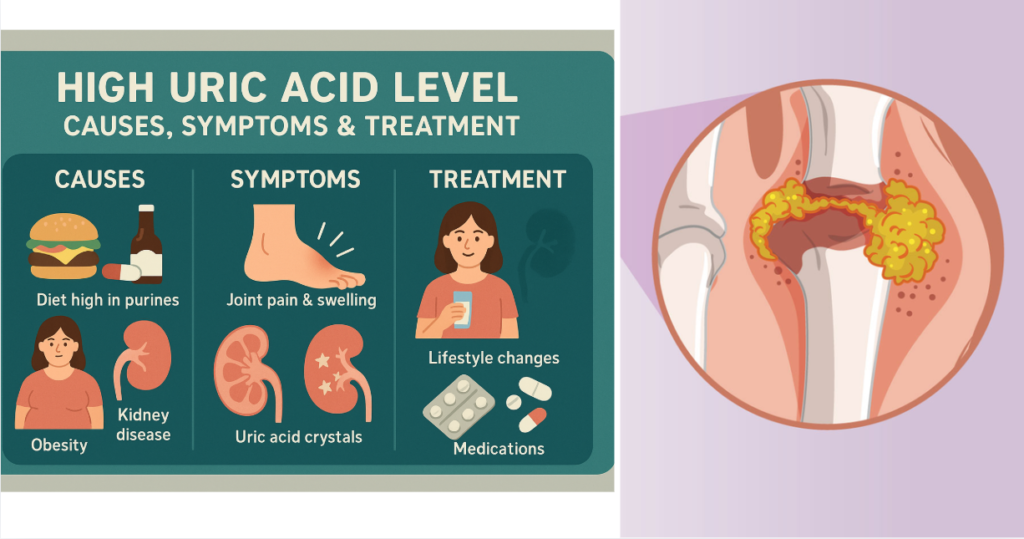
Understanding High Uric Acid: The Basics
Uric acid is a natural waste product formed from the breakdown of purines found in foods and the body’s cells. Normally, it dissolves in the blood and is eliminated through the kidneys in urine. However, when levels rise, it can form crystals, leading to pain, inflammation, and health complications.
What Causes Elevated Uric Acid?
- Dietary factors: High-purine foods like red meat, organ meats, and certain seafood.
- Alcohol consumption: Especially beer and spirits.
- Obesity and metabolic syndrome: Excess weight can affect uric acid elimination.
- Kidney dysfunction: Reduced ability to excrete uric acid efficiently.
- Medications: Diuretics or immunosuppressive drugs can increase uric acid levels.
Why Monitoring Matters
Unchecked uric acid can result in gout, kidney stones, and increased risk of cardiovascular issues. Early awareness allows you to implement lifestyle changes and medical strategies to keep your levels within a healthy range.
Recognizing Symptoms and Signs
High uric acid can be silent initially, but certain indicators can alert you to elevated levels.
Common Symptoms
- Joint pain and inflammation: Often starting in the big toe, known as gout attacks.
- Swelling and redness: Joints may become warm, tender, and visibly swollen.
- Frequent urination or kidney discomfort: Excess uric acid can contribute to kidney stones.
- Fatigue or mild fevers: Systemic inflammation may result in general malaise.
Less Obvious Signs
- Tophi (chalky deposits under the skin) in chronic hyperuricemia.
- Tingling or stiffness in hands or wrists.
- Digestive discomfort due to uric acid crystals forming in organs.
Effective Strategies for Reducing Uric Acid
Reducing uric acid involves a combination of dietary adjustments, lifestyle modifications, and, in some cases, medical treatment.
1. Dietary Modifications
- Limit high-purine foods: Red meats, shellfish, and organ meats.
- Incorporate low-purine options: Vegetables, whole grains, and dairy products.
- Stay hydrated: Drinking water helps flush uric acid through the kidneys.
- Reduce sugar and fructose: Sweetened beverages can increase uric acid production.
2. Lifestyle Changes
- Maintain a healthy weight: Gradual weight loss improves uric acid excretion.
- Regular exercise: Low-impact activities like walking or swimming support joint health.
- Moderate alcohol intake: Limit beer and spirits, which raise uric acid levels.
- Stress management: Chronic stress can exacerbate inflammation and gout flare-ups.
3. Home Remedies and Supplements
- Cherries and berries: Antioxidants may reduce uric acid levels and inflammation.
- Vitamin C: Helps improve uric acid excretion.
- Coffee in moderation: Some studies suggest coffee may lower gout risk.
- Avoid fad detoxes: Focus on evidence-based lifestyle adjustments rather than extreme cleanses.
Advanced Strategies & Professional Insights
For individuals with persistently high uric acid or recurrent gout attacks, professional guidance is essential.
Medical Interventions
- Prescription medications: Uric acid-lowering drugs like allopurinol or febuxostat.
- Anti-inflammatory medications: For managing acute gout attacks.
- Regular monitoring: Blood tests to track uric acid levels and kidney function.
Personalized Approaches
- Work with a dietitian to create a purine-balanced meal plan.
- Tailor exercise routines to support joint mobility while avoiding flare-up triggers.
- Track symptoms and dietary intake to identify patterns contributing to uric acid spikes.
Troubleshooting Common Challenges
Even with awareness, managing uric acid may present obstacles. Here’s how to overcome them:
Recurring Gout Attacks
- Identify dietary triggers through a food diary.
- Avoid rapid weight loss, which can temporarily raise uric acid.
- Use prescribed medications as directed by a healthcare provider.
Hydration Challenges
- Carry a water bottle to encourage regular intake.
- Infuse water with lemon or cucumber for taste variety.
- Monitor urine color to ensure adequate hydration.
Lifestyle Compliance
- Set achievable goals for gradual diet and activity changes.
- Seek social support for motivation and accountability.
- Celebrate small milestones to stay encouraged.
Maximizing Results and Maintaining Healthy Levels
Sustainable management focuses on consistency, prevention, and long-term monitoring.
- Routine blood tests: Track uric acid levels and kidney health.
- Balanced diet: Keep high-purine foods occasional rather than staple.
- Active lifestyle: Incorporate daily movement that supports metabolism and joint health.
- Stress management: Regular mindfulness or relaxation practices prevent inflammation triggers.
- Education and awareness: Understanding your body’s signals allows early intervention and reduces risk of severe complications.
By building these habits, you can enjoy a healthier lifestyle, reduce the likelihood of painful gout attacks, and support overall kidney and cardiovascular health.
Conclusion
High uric acid doesn’t have to control your life. By recognizing early symptoms, understanding triggers, and implementing effective strategies, you can reduce uric acid levels and protect your joints, kidneys, and overall wellbeing.
Take proactive steps today: optimize your diet, stay active, hydrate adequately, and consult your healthcare provider for personalized guidance. With consistent care, you have the power to manage uric acid and maintain a vibrant, healthy lifestyle.
Important Disclaimer: This article is for informational purposes only and should not replace professional advice. For health-related topics, consult a licensed healthcare provider. Individual results may vary.