Iodine-rich foods play a crucial role in supporting your thyroid, metabolism, and overall well-being. Without enough iodine, your body struggles to produce essential thyroid hormones that regulate energy, growth, and cellular function. Surprisingly, many people don’t realize how easy it is to become mildly deficient—especially with modern dietary habits.
In this guide, you’ll discover the best iodine-rich foods, how they support thyroid health, and practical strategies to ensure you’re getting enough of this vital nutrient. By making simple, mindful choices, you can boost your metabolism, improve energy levels, and protect your long-term health naturally.
Meta Description (150–160 characters): Discover iodine-rich foods that support thyroid function, boost metabolism, and improve energy with simple, practical nutrition strategies.
Understanding Iodine and Its Role in the Body
Before adding iodine-rich foods to your diet, it’s important to understand why this nutrient is so essential.
What Is Iodine?
Iodine is a trace mineral your body needs to produce thyroid hormones—primarily thyroxine (T4) and triiodothyronine (T3). These hormones regulate:
- Metabolism and energy production
- Body temperature
- Brain development and cognitive function
- Hormonal balance
Why Iodine Deficiency Matters
When iodine intake is too low, the thyroid cannot function properly. This may lead to:
- Fatigue and low energy
- Weight gain or slowed metabolism
- Dry skin and hair loss
- Difficulty concentrating
In more severe cases, iodine deficiency can cause goiter (thyroid enlargement) or hypothyroidism.
Who Is at Risk?
You may be at higher risk if you:
- Avoid iodized salt
- Follow restrictive or low-seafood diets
- Live in areas with iodine-poor soil
- Are pregnant or breastfeeding (higher iodine needs)
Top Iodine-Rich Foods to Include in Your Diet
Incorporating iodine-rich foods into your daily meals is easier than you think.
Sea-Based Sources
These are the richest natural sources of iodine.
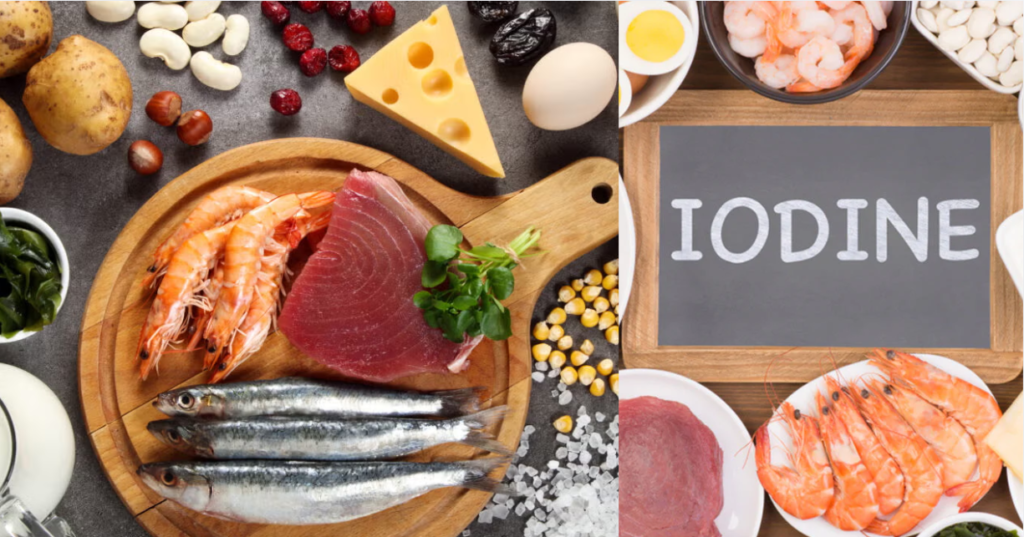
- Seaweed (kelp, nori, wakame): Extremely high in iodine
- Fish (cod, tuna, sardines): Excellent for both iodine and omega-3s
- Shellfish (shrimp, oysters): Nutrient-dense and iodine-rich
Dairy Products
- Milk, yogurt, and cheese contain moderate iodine levels
- Often overlooked but reliable sources for daily intake
Eggs
- Especially the yolk, which contains iodine and other essential nutrients
Iodized Salt
- One of the most accessible and consistent iodine sources
- Small amounts can significantly boost daily intake
Plant-Based Sources
- Potatoes
- Beans and lentils
- Strawberries and cranberries
While plant sources contain less iodine, they still contribute to overall intake when consumed regularly.
Step-by-Step Guide to Boosting Iodine Intake
Making iodine-rich foods part of your routine doesn’t require drastic changes.
Step 1: Assess Your Current Diet
- Do you consume seafood regularly?
- Are you using iodized salt?
- Are dairy or eggs part of your meals?
Identifying gaps helps you plan effectively.
Step 2: Add One Iodine Source Per Meal
- Breakfast: Yogurt or eggs
- Lunch: Tuna salad or lentil dish
- Dinner: Grilled fish or seaweed side
Small additions create consistent intake.
Step 3: Use Iodized Salt Mindfully
- Replace regular salt with iodized salt
- Avoid excessive use—balance is key
Step 4: Rotate Food Choices
Variety ensures you get iodine along with other nutrients, preventing dietary imbalances.
Advanced Strategies for Optimal Thyroid Support
Once you’ve covered the basics, you can optimize your iodine intake further.
Balance Iodine With Other Nutrients
Your thyroid also depends on:
- Selenium (found in nuts and fish)
- Zinc (in meat and legumes)
- Iron (in leafy greens and red meat)
These nutrients work together to support hormone production.
Avoid Excess Intake
Too much iodine can also disrupt thyroid function. Stick to recommended daily intake levels unless advised otherwise by a professional.
Consider Bioavailability
Cooking methods and food combinations can affect iodine absorption. For example:
- Overcooking seafood may reduce iodine content
- Pairing iodine-rich foods with nutrient-dense meals improves overall absorption
Troubleshooting Common Challenges
Even with good intentions, you might face obstacles.
Challenge: Limited Access to Seafood
- Use iodized salt regularly
- Include dairy and eggs as alternatives
Challenge: Dietary Restrictions (Vegan/Vegetarian)
- Focus on seaweed (in controlled amounts)
- Include fortified foods when available
Challenge: Fear of Overconsumption
- Stick to moderate portions
- Avoid excessive supplementation unless prescribed
Maximizing Results: Long-Term Health Benefits
To truly benefit from iodine-rich foods, consistency and balance are key.
Support Overall Metabolism
Adequate iodine helps maintain a healthy metabolic rate, making it easier to manage weight and energy levels.
Enhance Cognitive and Hormonal Health
- Improves focus and mental clarity
- Supports hormonal balance across different life stages
Combine With Healthy Lifestyle Habits
- Stay hydrated
- Exercise regularly
- Manage stress to support endocrine function
Featured Snippet: What Are the Best Iodine-Rich Foods?
The best iodine-rich foods include seaweed, fish, shellfish, dairy products, eggs, and iodized salt. These foods support thyroid function, metabolism, and overall health when consumed regularly in balanced amounts.
Internal Linking Opportunities
To deepen your understanding, explore related topics such as:
- Thyroid health and hormone balance
- Signs of nutrient deficiencies
- Foods that boost metabolism naturally
- Liver function and detox support
- Hydration and its impact on cellular health
Conclusion
Iodine-rich foods are a simple yet powerful way to support your thyroid, boost metabolism, and enhance overall well-being. By incorporating a variety of iodine sources into your daily meals, you can prevent deficiencies and maintain optimal hormonal balance.
The key is consistency—small, mindful changes can lead to significant long-term benefits. Start today by adding one iodine-rich food to your routine and gradually build a balanced, nutrient-rich lifestyle that supports your health from the inside out.
Important Disclaimer: This article is for informational purposes only and should not replace professional advice. For health-related topics, consult healthcare providers. Individual results may vary.