
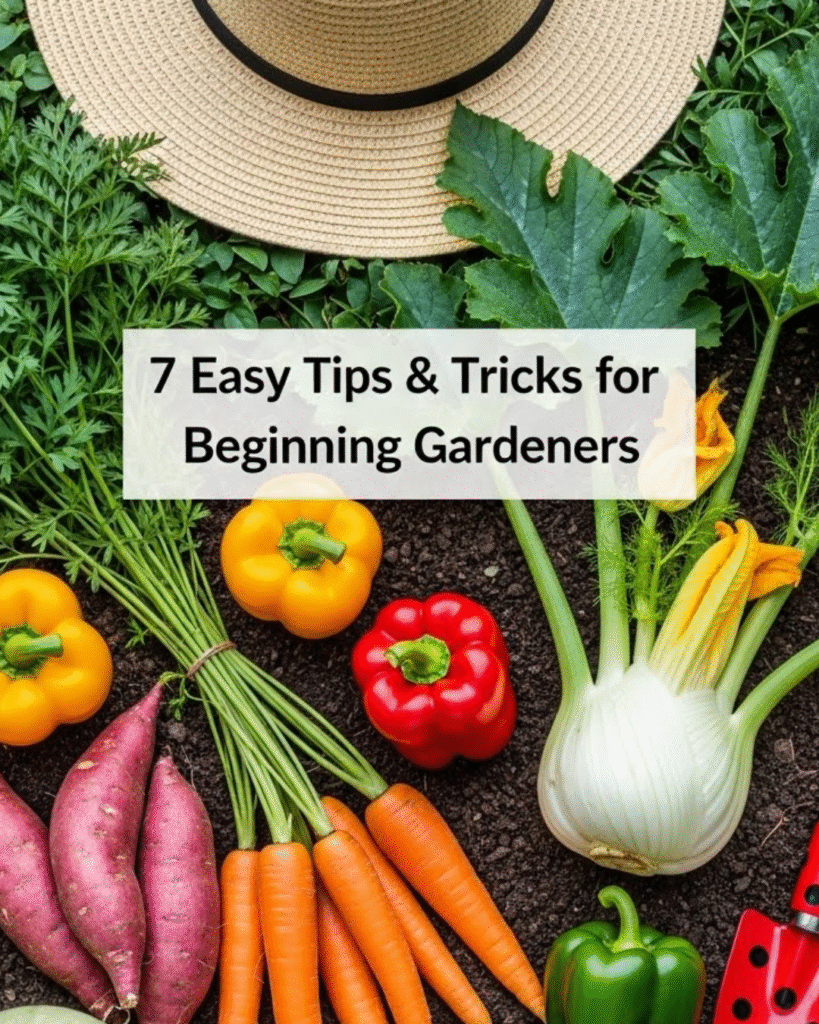
Becoming a gardener is more than learning to plant seeds—it’s an invitation to witness quiet miracles unfold in soil and sunlight. Whether you dream of vibrant flower beds or abundant vegetable harvests, these seven foundational practices will transform your outdoor space into a thriving sanctuary where nature reveals her most generous secrets.
The journey from uncertain beginner to confident gardener begins with understanding that every flourishing garden started with someone willing to dig their hands into earth and learn. These essential techniques will guide you through your first growing seasons, helping you cultivate not just plants, but a profound connection with the natural world that sustains us all.
Understanding Your Garden’s Unique Personality
Every garden possesses its own character shaped by sunlight patterns, soil composition, and microclimates that shift throughout the day. Before selecting a single seed packet, spend time observing how morning light travels across your space, where afternoon shadows linger, and which corners remain consistently moist or dry.
Reading the Light
Track sunlight exposure over several days, noting areas that receive full sun (six or more hours of direct light), partial shade (three to six hours), or full shade (less than three hours). This solar choreography dictates which plants will thrive in each location. Sun-loving tomatoes and lavender demand different stages than shade-preferring hostas and ferns.
Listening to Your Soil
Soil is the living foundation of gardening success. Squeeze a handful of moist earth—if it forms a tight ball that resists crumbling, you have clay-heavy soil that retains water but may drain poorly. If it falls apart immediately, sandy soil drains quickly but struggles to hold nutrients. The ideal loamy texture holds shape briefly before gently breaking apart, offering both drainage and nutrition.
Test your soil’s pH level using an inexpensive kit from garden centers. Most vegetables and flowers prefer slightly acidic to neutral soil (pH 6.0-7.0), though some plants like blueberries crave more acidic conditions while lavender prefers alkaline environments.
Starting Small with Strategic Plant Selection
Beginning gardeners often falter by attempting too much too quickly, creating overwhelming workloads that diminish the joy of gardening. Instead, choose five to seven beginner-friendly plants that match your garden conditions and personal interests.
Select varieties known for forgiving nature and reliable performance. Cherry tomatoes, zucchini, lettuce, basil, marigolds, zinnias, and hostas consistently reward novice gardeners with abundant growth. These resilient plants tolerate minor mistakes while teaching fundamental care techniques.
The Power of Container Gardening
Containers offer exceptional control over growing conditions, allowing you to provide perfect soil, optimal drainage, and ideal placement for each plant. This approach particularly benefits renters, those with limited space, or gardeners wanting to experiment before committing to in-ground beds. Ensure containers have drainage holes and use quality potting mix rather than garden soil, which compacts in pots.
Mastering the Art of Watering
Water sustains life, yet improper watering causes more plant deaths than any other factor. The goal is consistent moisture without waterlogging—roots need both water and oxygen to thrive.
Most plants prefer deep, infrequent watering that encourages roots to grow downward seeking moisture, creating stronger, more drought-resistant plants. Shallow daily watering produces weak surface roots vulnerable to heat stress. Water early morning when possible, allowing foliage to dry before evening, reducing fungal disease risks.
Insert your finger two inches into soil near plant bases—if it feels dry, water thoroughly until moisture runs from drainage holes or penetrates deeply into garden beds. Different plants have varying needs: succulents and Mediterranean herbs prefer drier conditions between waterings, while lettuce and hydrangeas demand consistently moist soil.
Recognizing Water Stress Signals
Wilting during midday heat is normal for many plants; check again in early evening. If leaves remain droopy after temperatures cool, water immediately. Yellowing lower leaves often indicate overwatering, while crispy brown leaf edges suggest underwatering or salt buildup from hard water.
Feeding Your Garden’s Hunger
Plants require nutrients beyond what water and sunlight provide. The three primary nutrients—nitrogen (N), phosphorus (P), and potassium (K)—appear as numbers on fertilizer packages. Nitrogen promotes leafy growth, phosphorus supports root development and flowering, and potassium strengthens overall plant health and disease resistance.
Begin with balanced, slow-release organic fertilizers that feed soil microorganisms while nourishing plants. Compost remains the gardener’s most valuable amendment, improving soil structure while providing gentle nutrition. Add a two-inch layer around plants each spring, keeping it away from stems to prevent rot.
Leafy vegetables and foliage plants benefit from higher nitrogen formulations, while flowering plants and fruiting vegetables need more phosphorus and potassium. Follow package directions carefully—overfertilizing causes rapid, weak growth susceptible to pests and diseases while potentially burning roots.
Embracing Mulch as Your Garden’s Protective Blanket
Mulch performs multiple essential functions: suppressing weeds, retaining soil moisture, regulating soil temperature, and gradually enriching earth as organic materials decompose. This simple practice dramatically reduces maintenance while improving plant health.
Apply two to three inches of organic mulch (shredded bark, wood chips, straw, or compost) around plants, leaving a few inches clear around stems to prevent rot and discourage pests. Replenish mulch as it decomposes throughout the growing season.
In vegetable gardens, straw mulch keeps fruits clean while deterring slugs. Around perennials and shrubs, hardwood mulch provides long-lasting coverage. In pathways, deeper mulch layers suppress weeds while creating comfortable walking surfaces.
Developing Preventive Pest and Disease Management
Healthy plants naturally resist most pests and diseases. Strong root systems, proper spacing for air circulation, and appropriate watering practices create conditions where problems rarely escalate into crises.
Inspect plants regularly, examining leaf undersides where pests often hide. Early detection allows simple interventions—handpicking caterpillars, spraying aphids with water, or removing diseased leaves before problems spread.
Building Beneficial Relationships
Welcome beneficial insects by planting diverse flowers that provide nectar and pollen. Ladybugs, lacewings, and parasitic wasps control aphids, caterpillars, and other pests more effectively than any spray. Birds devour countless insects; provide water sources and native plants to attract these hungry allies.
Companion planting leverages natural relationships—basil near tomatoes repels harmful insects while improving flavor, marigolds deter various pests, and nasturtiums serve as trap crops drawing aphids away from vegetables.
Keeping a Garden Journal for Continuous Learning
Document your gardening journey with notes on planting dates, weather patterns, pest occurrences, harvest yields, and which varieties performed exceptionally or disappointed. This record becomes invaluable for planning future seasons, identifying patterns, and tracking your evolving expertise.
Photograph your garden monthly to observe changes over time. Note first and last frost dates, when specific plants bloomed, and which combinations created particularly beautiful displays. Record questions that arise and discoveries you make—gardening is lifelong learning, and your journal captures this expanding wisdom.
Review entries each winter while planning the coming year. This reflection reveals what worked beautifully and what deserves different approaches, helping you build upon successes while learning from challenges.
Cultivating Your Garden, Cultivating Yourself
These seven practices form the foundation of successful gardening, yet the most important tip transcends technique: be patient with yourself and your plants. Gardens teach us to work with nature’s rhythms rather than against them, to celebrate small victories, and to view setbacks as learning opportunities rather than failures.
Start implementing these strategies one at a time, allowing each practice to become comfortable before adding another. Your garden will respond to consistent care with increasing abundance, transforming from bare soil into a verdant landscape that feeds both body and soul. The gardener you’re becoming is already present in your willingness to begin—now step outside and let the earth teach you her ancient, generous wisdom.