Gallstones are a common yet often overlooked health issue that can cause significant discomfort and complications if left untreated. Many people remain unaware they have gallstones until severe pain or other symptoms prompt medical attention. Understanding the warning signs is crucial for timely intervention and long-term digestive wellness.
This comprehensive guide will help you recognize the most common gallstone symptoms, understand the underlying causes, and explore practical strategies to support gallbladder health. By learning these key indicators, you can take proactive steps to protect your digestive system, improve overall comfort, and reduce the risk of complications.
Meta description (150–160 characters): Discover the key symptoms of gallstones, understand what to watch for, and learn practical strategies to protect your digestive health effectively.
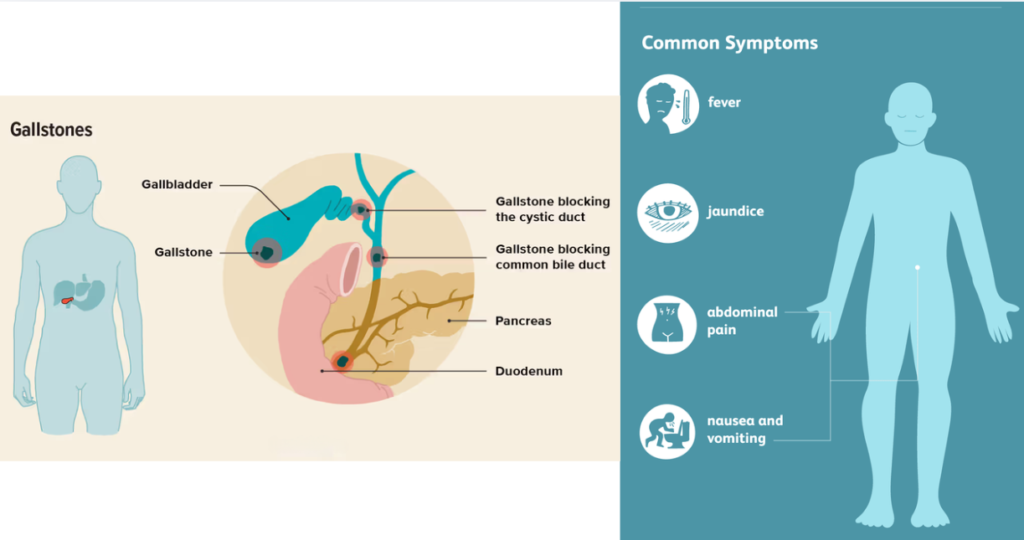
Understanding Gallstones and Their Causes
Gallstones are hardened deposits that form in the gallbladder, a small organ located beneath the liver responsible for storing bile. While some gallstones remain asymptomatic, others can block bile flow, causing pain and digestive issues.
Risk Factors to Consider
Several factors increase the likelihood of developing gallstones:
- Excess cholesterol in bile
- Obesity or rapid weight loss
- Family history of gallstones
- Age over 40, particularly women
- Certain medical conditions like diabetes or liver disease
Being aware of these risk factors can help you stay vigilant for early symptoms.
Types of Gallstones
- Cholesterol gallstones: The most common type, formed from hardened cholesterol.
- Pigment gallstones: Darker stones often associated with liver or blood disorders.
- Mixed stones: Contain both cholesterol and pigment components.
Understanding the type of gallstone can influence treatment options and preventive strategies.
Common Gallstone Symptoms
Recognizing symptoms early is essential for preventing complications such as inflammation or infection.
1. Abdominal Pain
A hallmark sign is sudden, intense pain in the upper right or middle abdomen, often radiating to the shoulder or back. Pain may last from minutes to several hours and is typically triggered by fatty meals.
2. Nausea and Vomiting
Digestive discomfort, including nausea, vomiting, or bloating, often accompanies gallstone attacks. These symptoms can appear during or after meals.
3. Indigestion and Gas
Frequent belching, bloating, and a feeling of fullness, even after small meals, can indicate gallbladder irritation.
4. Changes in Stool or Urine
Gallstones may block bile flow, leading to pale stools or dark urine. Persistent changes should prompt a medical evaluation.
5. Jaundice
Yellowing of the skin or eyes can occur if a gallstone obstructs the bile duct, signaling a more urgent situation.
Detecting Gallstones Early
Early detection is often challenging, as symptoms can be intermittent or mild.
Monitoring Patterns
- Track the frequency and intensity of abdominal pain
- Note triggers like specific foods or stress
- Record accompanying symptoms such as nausea or bloating
Medical Screening
- Ultrasound imaging is the standard method for detecting gallstones
- Blood tests can reveal signs of infection or liver dysfunction
Early consultation with a healthcare provider can prevent complications and guide treatment decisions.
Lifestyle Adjustments for Gallbladder Health
Supporting gallbladder function through daily habits can reduce discomfort and lower the risk of stone formation.
Heart-Healthy Diet
- Emphasize fruits, vegetables, whole grains, and lean proteins
- Limit fried, fatty, or processed foods
- Incorporate healthy fats like olive oil in moderation
Regular Physical Activity
- Engage in 30 minutes of moderate exercise most days
- Activities like walking, swimming, or yoga support digestive function
Weight Management
- Avoid rapid weight loss, which can increase gallstone formation
- Aim for gradual, sustainable weight reduction if needed
Advanced Strategies and Pro Tips
Taking proactive steps beyond basic lifestyle habits can further protect gallbladder health.
Hydration and Digestion
- Drink adequate water to support bile flow
- Consider herbal teas like peppermint or chamomile to aid digestion
Supplement Considerations
- Some evidence supports omega-3 fatty acids for reducing bile cholesterol
- Consult a healthcare provider before starting supplements, especially if you have existing conditions
Personalized Meal Planning
- Track foods that trigger discomfort
- Plan balanced meals that are gentle on the gallbladder
Troubleshooting Common Challenges
Managing gallstone symptoms requires understanding potential obstacles and taking practical action.
Symptom Misinterpretation
- Fatigue, bloating, or mild abdominal discomfort may be mistaken for other digestive issues
- Keep a detailed symptom diary to help your doctor identify patterns
Managing Acute Pain
- Apply gentle heat to the abdomen
- Avoid heavy, fatty meals until evaluated
- Seek immediate medical attention if pain is severe or accompanied by jaundice
Preventive Measures
- Maintain consistent exercise routines
- Eat smaller, more frequent meals to support bile flow
- Schedule routine check-ups, especially if you have risk factors
Maximizing Digestive Health
Long-term gallbladder support involves ongoing care and attention to lifestyle.
Maintain a Balanced Diet
- Emphasize fiber-rich foods like vegetables, fruits, and whole grains
- Reduce processed sugars and saturated fats
Regular Medical Monitoring
- Ultrasounds or blood tests for those with a history of gallstones
- Immediate evaluation for new or worsening symptoms
Educate Yourself
- Stay informed about gallstone prevention and treatment options
- Share knowledge with friends and family to promote awareness
Conclusion
Gallstones can be silent for years or manifest through subtle digestive disturbances. By understanding the signs—abdominal pain, nausea, bloating, jaundice—you can act early and seek timely care. Combining lifestyle strategies with proactive medical monitoring helps you support gallbladder function, reduce discomfort, and safeguard overall digestive health.
Empower yourself with awareness, track your symptoms, and prioritize heart-healthy, gallbladder-friendly habits. With vigilance and informed choices, you can transform your digestive wellness and prevent complications from gallstones.
Important Disclaimer: This article is for informational purposes only and should not replace professional medical advice. Consult a healthcare provider for personal digestive concerns or symptoms. Individual results may vary.