Meta Description: Discover 5 hidden symptoms of adult ADHD in women, understand their impact, and learn how to recognize and manage them effectively.
Introduction
Adult ADHD in women often goes undiagnosed, hidden beneath daily responsibilities, stress, and societal expectations. Unlike the stereotypical image of ADHD in children or men, symptoms in women can be subtle, internalized, and mistaken for anxiety, mood disorders, or simple “disorganization.”
Recognizing adult ADHD in women is empowering. By understanding the hidden signs, you can take control, improve focus, and access the right support. In this guide, we’ll uncover five key symptoms that often go unnoticed and provide actionable strategies to manage them, so you can transform challenges into strengths.
Whether you’re seeking clarity for yourself or trying to help someone you care about, this article will give you the insight you need to identify, understand, and navigate adult ADHD with confidence.
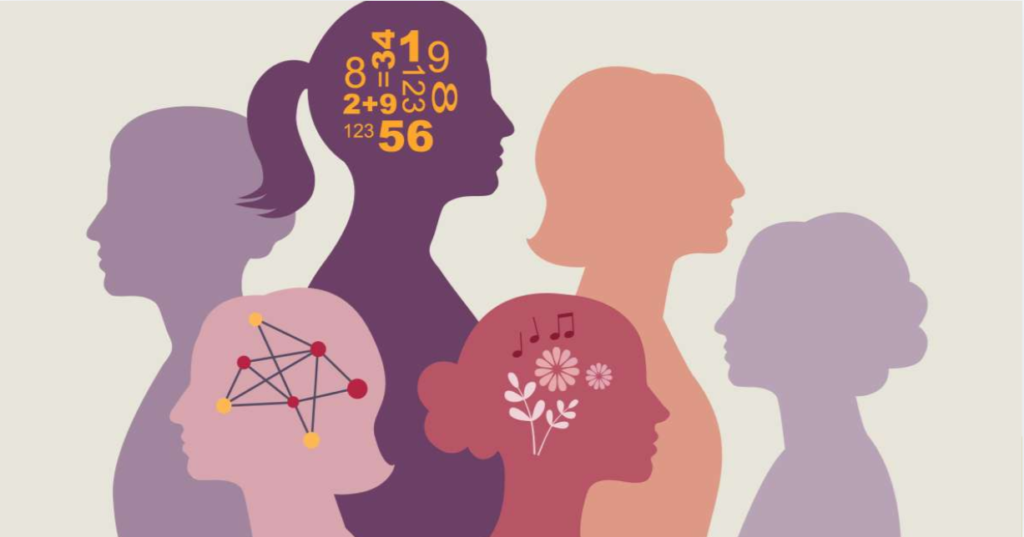
Understanding Adult ADHD in Women
ADHD, or Attention-Deficit/Hyperactivity Disorder, is often misunderstood in adults, especially women. Women tend to develop coping strategies that mask hyperactivity, leading to delayed diagnosis.
Why Women Are Often Overlooked
- Internalized Symptoms: Women often experience inattentiveness more than hyperactivity.
- Societal Expectations: Women are frequently expected to multitask and manage multiple roles flawlessly.
- Emotional Impact: ADHD in women is often linked to anxiety, depression, or chronic stress.
Key Differences Between Men and Women
- Men may display more overt hyperactivity.
- Women often show “quiet ADHD,” characterized by internal restlessness, forgetfulness, and perfectionism.
- Hormonal changes (e.g., menstruation, pregnancy, menopause) can exacerbate ADHD symptoms.
Internal Linking Opportunities: Related articles could include Managing Anxiety in Women, Boosting Focus Naturally, Time Management Tips for Busy Adults, and Understanding Mood Disorders.
5 Hidden Symptoms of Adult ADHD in Women
Recognizing these subtle signs can make a dramatic difference in understanding your mental health.
1. Chronic Disorganization
- What it looks like: Papers, tasks, and schedules frequently pile up, despite good intentions.
- Impact: Missed deadlines, forgotten appointments, and mental clutter.
- Tip: Use structured planners, digital reminders, and prioritize tasks in small steps.
2. Emotional Overwhelm
- What it looks like: Intense emotional reactions, mood swings, or frustration over minor setbacks.
- Impact: Strained relationships, self-criticism, and burnout.
- Tip: Practice mindfulness, journaling, or therapy to process emotions constructively.
3. Hyper-Focus on Certain Interests
- What it looks like: Immersing completely in hobbies, projects, or tasks while neglecting other responsibilities.
- Impact: Missed obligations, fatigue, and uneven productivity.
- Tip: Set timers, schedule breaks, and communicate limits to others.
4. Difficulty Prioritizing and Task Initiation
- What it looks like: Knowing what to do but struggling to start or sequence tasks effectively.
- Impact: Anxiety, procrastination, and feeling “stuck.”
- Tip: Break projects into smaller steps, tackle tasks in order of urgency, and reward progress.
5. Subtle Impulsivity
- What it looks like: Impulsive decisions, spending, or interruptions in conversations that are less obvious than overt hyperactivity.
- Impact: Financial strain, social misunderstandings, and self-doubt.
- Tip: Pause before acting, create accountability, and practice decision-making frameworks.
How to Recognize Patterns
Self-Reflection and Journaling
Keeping a daily record of moods, focus levels, and task completion can reveal patterns often overlooked in everyday life.
Seeking Professional Assessment
- Consult a licensed psychologist, psychiatrist, or ADHD specialist.
- A formal evaluation can clarify diagnosis and guide treatment options.
Considering Life Context
- Symptoms may intensify during stressful periods or hormonal shifts.
- Recognize that ADHD interacts with lifestyle, mental health, and personal expectations.
Strategies for Managing Adult ADHD in Women
Effective management combines lifestyle adaptations, behavioral strategies, and professional support.
Establish Daily Routines
- Use structured morning and evening routines.
- Prioritize sleep, nutrition, and exercise to stabilize energy and focus.
Leverage Technology
- Digital reminders, alarms, and task management apps can reduce forgetfulness.
- Calendar systems help track appointments and deadlines reliably.
Cognitive Behavioral Techniques
- CBT can help reframe negative self-talk and improve executive function.
- Focus on small, achievable goals to build confidence.
Support Networks
- ADHD support groups provide understanding, resources, and validation.
- Partners, friends, and coworkers can assist with reminders and accountability.
Overcoming Common Challenges
Even with strategies, challenges persist—but solutions are within reach.
Misdiagnosis and Self-Doubt
- Women are often misdiagnosed with anxiety, depression, or perfectionism.
- Knowing the hidden signs empowers you to seek appropriate evaluation.
Emotional Burnout
- Recognize when multitasking becomes overwhelming.
- Schedule rest, boundaries, and self-care to maintain mental clarity.
Adapting to Life Stages
- ADHD symptoms may change with age, hormonal shifts, or life transitions.
- Continually update coping strategies and treatment plans accordingly.
Maximizing Success and Thriving
Living with ADHD doesn’t mean being limited—it means learning how to channel strengths and manage challenges effectively.
Embrace Strengths
- Creativity, empathy, and hyper-focus can become advantages.
- Recognize patterns where ADHD traits enhance problem-solving or innovation.
Maintain Consistency
- Daily habits, structured routines, and professional support reinforce long-term success.
Continual Learning
- Stay informed about ADHD research, lifestyle strategies, and new tools.
- Experiment with new approaches and adjust strategies based on your needs.
Featured Snippet: What Are the Hidden Signs of ADHD in Women?
The hidden signs of adult ADHD in women include chronic disorganization, emotional overwhelm, hyper-focus on certain tasks, difficulty prioritizing, and subtle impulsivity. These symptoms are often internalized, making them less obvious but equally impactful.
Conclusion
Adult ADHD in women is often overlooked, but recognizing the hidden symptoms is the first step toward understanding, managing, and thriving. By identifying subtle signs such as chronic disorganization, emotional intensity, hyper-focus, and subtle impulsivity, you can access strategies that enhance focus, reduce stress, and improve quality of life.
You have the power to transform challenges into strengths. With awareness, practical tools, and professional support, adult ADHD can be managed effectively, helping you achieve your goals, maintain emotional balance, and embrace your unique potential.
Take the step today: observe, learn, and act—and unlock the confident, empowered version of yourself.
Important Disclaimer: This article is for informational purposes only and should not replace professional advice. For health-related topics, consult healthcare providers. Individual results may vary, and personal circumstances should always be considered when implementing any suggestions.