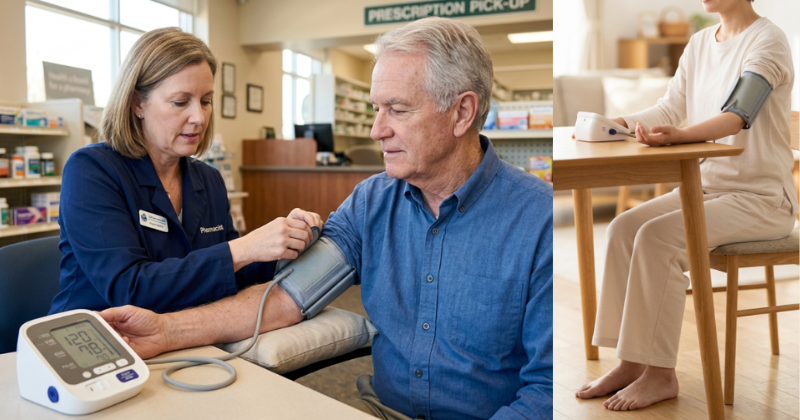
High or low blood pressure often goes unnoticed until it causes bigger problems. Yet it’s one of the most important numbers you can track for long-term heart, brain, and kidney health. In 2026, with more people using home monitors and wearable devices, understanding your blood pressure has never been easier or more important. This guide explains exactly what blood pressure is, normal ranges, the first warning signs, common causes, how to measure it accurately at home, and practical, evidence-based steps to keep your numbers in a healthy zone.
Whether you’re managing existing issues or just want to stay ahead, these clear facts and simple habits can make a real difference.
What Is Blood Pressure and Why Does It Matter?
Blood pressure is the force of blood pushing against your artery walls as your heart pumps. It’s measured with two numbers:
- Systolic (top number): Pressure when the heart beats.
- Diastolic (bottom number): Pressure when the heart rests between beats.
It is written as systolic/diastolic, for example 120/80 mmHg. Healthy blood pressure keeps oxygen and nutrients flowing to every organ. When it stays too high or too low, it can damage arteries, strain the heart, and raise the risk of heart attack, stroke, kidney disease, and vision loss.
Normal Blood Pressure Ranges (2026 Guidelines)
According to current guidelines from major health organizations:
- Normal: Less than 120/80 mmHg
- Elevated: 120–129 and less than 80 mmHg
- Stage 1 Hypertension: 130–139 or 80–89 mmHg
- Stage 2 Hypertension: 140 or higher or 90 or higher mmHg
- Hypertensive Crisis: Higher than 180/120 mmHg (seek emergency care)
Low blood pressure is generally below 90/60 mmHg, but symptoms matter more than the exact number. Many people feel fine with slightly low readings, while others experience dizziness or fainting.
Early Symptoms You Should Never Ignore
High blood pressure is often called the “silent killer” because it can exist for years with no obvious signs. Watch for:
- Frequent headaches (especially in the back of the head)
- Nosebleeds
- Shortness of breath
- Dizziness or lightheadedness
- Blurred vision
- Chest pain or irregular heartbeat
Low blood pressure symptoms are more noticeable:
- Dizziness or fainting when standing up
- Fatigue or weakness
- Nausea
- Blurred vision
- Cold, clammy skin
- Rapid or shallow breathing
If you notice any of these, measure your blood pressure and talk to your doctor.
Common Causes and Risk Factors
High blood pressure is often linked to:
- High-salt diet and processed foods
- Lack of physical activity
- Excess weight, especially around the middle
- Chronic stress
- Smoking or tobacco use
- Family history and age
- Conditions like sleep apnea or kidney disease
Low blood pressure can result from:
- Dehydration
- Certain medications (blood pressure drugs, antidepressants)
- Heart problems
- Nutritional deficiencies (vitamin B12, folate)
- Prolonged bed rest or pregnancy
How to Measure Blood Pressure Accurately at Home
Home monitoring is one of the best ways to stay on top of your numbers.
Simple steps:
- Sit quietly for 5 minutes with feet flat and back supported.
- Place the cuff on bare skin, 2–3 cm above the elbow.
- Take 2–3 readings, 1 minute apart, and average them.
- Measure at the same times each day (morning and evening).
- Avoid caffeine, exercise, or smoking for 30 minutes beforehand.
Choose a validated upper-arm monitor and bring it to your next doctor visit to check accuracy.
Do’s: Daily Habits That Help Keep Blood Pressure Healthy
- Eat plenty of potassium-rich foods (bananas, spinach, sweet potatoes, beans).
- Move for at least 30 minutes most days — brisk walking is highly effective.
- Limit salt to under 2,300 mg daily (focus on whole foods).
- Practice deep breathing or meditation for 5–10 minutes.
- Maintain a healthy weight — even 5–10% loss can lower readings.
- Get 7–9 hours of quality sleep.
- Limit alcohol to no more than 1 drink per day for women and 2 for men.
Don’ts: Habits That Raise or Worsen Blood Pressure
- Don’t add extra salt or rely on processed foods.
- Don’t smoke or use tobacco products.
- Don’t skip regular check-ups if you have a family history.
- Don’t ignore chronic stress — it keeps blood pressure elevated.
- Don’t stop prescribed medication without talking to your doctor.
Simple Natural Ways to Support Healthy Blood Pressure
- Drink beetroot juice or eat beets (nitrates help relax blood vessels).
- Enjoy a small piece of dark chocolate (70%+ cacao) for flavonoids.
- Add garlic or hibiscus tea to your routine.
- Practice yoga or gentle stretching daily.
- Stay well hydrated — dehydration can raise or lower pressure.
Most people see improvements in 4–8 weeks with consistent changes.
When to See a Doctor Immediately
Go to the ER or call emergency services if you have:
- Blood pressure higher than 180/120 with symptoms
- Sudden severe headache, chest pain, or shortness of breath
- Fainting or confusion
Conclusion
Your blood pressure is one of the most important numbers for long-term health. By knowing the normal ranges, recognizing early symptoms, understanding common causes, and following the practical do’s and don’ts in this guide, you can take control and protect your heart, brain, and overall wellness. Small daily habits like walking, eating potassium-rich foods, and managing stress really do add up.
Start today: measure your blood pressure at home, note any symptoms, and add one or two healthy habits from this guide. Talk to your doctor if anything feels off. Your future self will thank you for the attention you give your numbers now.
Knowledge is power — and when it comes to blood pressure, it can literally save your life.