
Feeling guilty about doing “nothing” on a lazy day? You’re not alone. In our always-on culture, rest often feels like a luxury or even a waste of time. But science shows that intentional lazy days are one of the smartest things you can do for your brain, body, and long-term productivity. A true rest day isn’t laziness — it’s strategic recovery that allows your system to repair, reset, and come back stronger.
In this guide you’ll learn the real benefits of a lazy day, the science behind why rest works, how to have an effective one without guilt, practical tips to make the most of it, and how to build lazy days into your routine so they actually improve your life instead of derailing it. Whether you’re burned out from work, training hard, or just need a mental break, these insights will help you embrace rest as a powerful wellness tool.
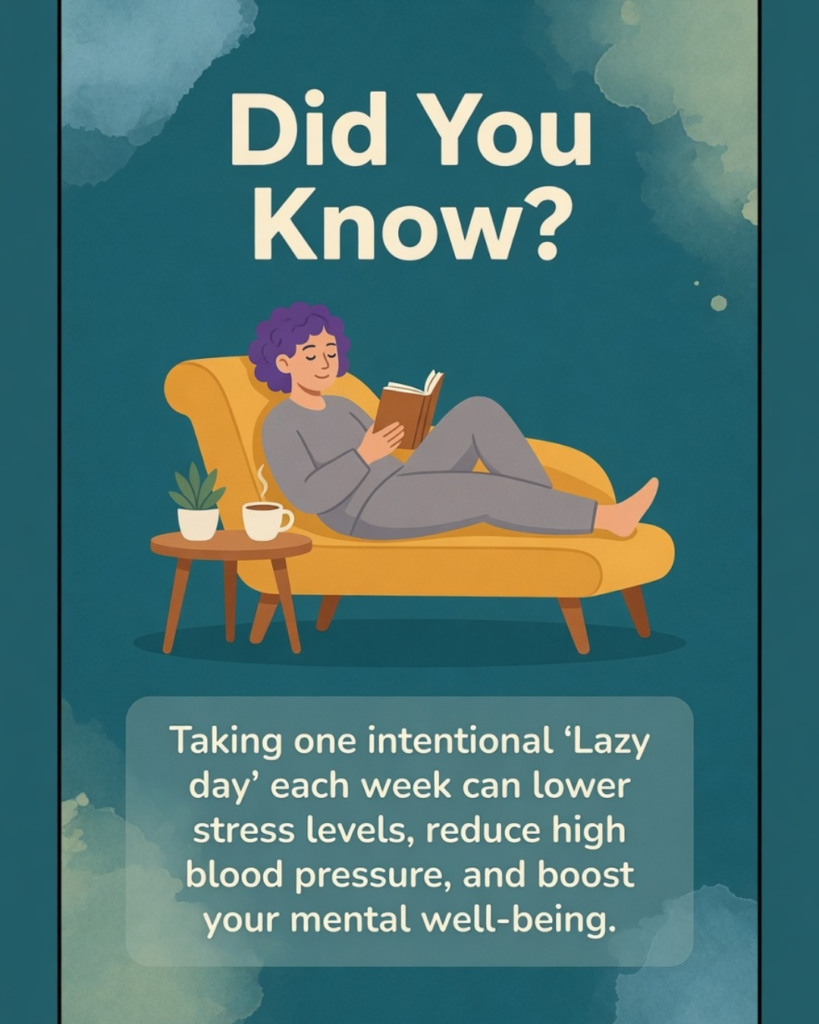
Why Rest Days Matter More Than Ever
Constant busyness keeps your nervous system in “fight-or-flight” mode, raising cortisol and draining energy. A lazy day activates the parasympathetic “rest-and-digest” system, giving your body and brain time to recover. Research from the Journal of Occupational Health Psychology and sleep studies shows that regular rest prevents burnout, improves decision-making, and even boosts creativity more than non-stop work. In short: rest isn’t the opposite of productivity — it’s the foundation of it.
8 Science-Backed Benefits of a Lazy Day
1. Mental Recharge & Reduced Burnout A full day of low stimulation lowers cortisol and lets your brain’s default mode network (responsible for creativity and problem-solving) activate. Many people report sharper focus and better ideas the day after a true lazy day.
2. Physical Recovery & Muscle Repair During rest, your body repairs micro-tears in muscles, replenishes glycogen stores, and reduces inflammation. Athletes who schedule lazy days see faster strength gains and fewer injuries.
3. Better Sleep Quality One guilt-free lazy day often resets your circadian rhythm, making it easier to fall asleep and stay asleep at night. Deep rest also balances hormones like melatonin and growth hormone.
4. Improved Digestion & Less Bloating When you slow down, your parasympathetic system activates digestion. Stress-eating and rushed meals disappear, giving your gut time to process food properly.
5. Stronger Immune Function Chronic busyness suppresses immunity. A single rest day can lower inflammation markers and give your immune cells the energy they need to do their job.
6. Enhanced Creativity & Problem-Solving Neuroscience shows the brain makes new connections during unstructured time. Many inventors and artists credit “lazy” days for their best ideas.
7. Emotional Balance & Better Mood Rest reduces emotional reactivity and gives you space to process feelings instead of pushing through them. People who take regular lazy days report lower anxiety and more stable moods.
8. Higher Long-Term Productivity Paradoxically, scheduled rest prevents the productivity crashes caused by burnout. Studies on knowledge workers show that people who rest regularly get more done overall than those who never stop.
How to Have an Effective Lazy Day (Without Guilt)
The goal isn’t total inactivity — it’s intentional low-effort restoration. Here’s a simple blueprint:
- Morning: Wake up naturally (no alarm if possible). Start with gentle movement like stretching in bed or a slow walk.
- Midday: Choose one nourishing meal you actually enjoy. Avoid screens if they drain you.
- Afternoon: Do one low-energy activity you love — reading, napping, listening to music, or watching something light.
- Evening: Wind down early with herbal tea, journaling, or a warm bath. Go to bed when you feel tired.
Pro tip: Tell yourself “This is productive rest” instead of “I’m being lazy.” Reframing removes guilt and lets you fully recharge.
Common Mistakes to Avoid on Lazy Days
- Filling the day with “productive” scrolling or chores (that’s not rest).
- Feeling guilty and stressing about it — stress cancels the benefits.
- Overeating junk food out of boredom (choose nourishing snacks instead).
- Skipping movement entirely — gentle walks or stretching help circulation.
- Using screens all day (blue light disrupts natural rest signals).
Simple Lazy Day Routine You Can Use This Weekend
- 8:00 am: Wake naturally + drink water with lemon.
- 9:00 am: Light stretch or 10-minute walk.
- 10:00 am: Nourishing breakfast (eggs, avocado, fruit).
- 11:00 am–3:00 pm: Free time — read, nap, listen to music, or do a hobby.
- 3:00 pm: Light snack + gentle movement.
- 6:00 pm: Easy dinner + screen-free wind-down.
- 9:00 pm: Early bedtime.
Conclusion
A lazy day isn’t wasted time — it’s one of the smartest investments you can make in your health, mood, creativity, and long-term productivity. By giving your body and brain true rest, you reduce inflammation, balance hormones, recharge mentally, and come back stronger and more focused. The science is clear: strategic rest isn’t laziness; it’s essential maintenance for a high-performing life.
Schedule your next lazy day this weekend and treat it as non-negotiable self-care. You’ll be amazed how much better you feel — and how much more you get done — afterward. Your future self will thank you for the simple gift of rest.