Feeling stressed or overwhelmed in the middle of your day? Discover a simple, science-backed micro-habit that can help you instantly calm your mind and body.
Stress is an inevitable part of modern life. Deadlines, traffic, personal obligations—all these factors can leave you feeling tense, anxious, and mentally drained. What if you could pause, reset, and regain a sense of calm in less than a minute? Enter the “Blow, Pause, Reset” micro-habit: a tiny, practical routine that can help you reduce stress and center yourself anytime, anywhere.
In this article, you’ll learn the science behind this micro-habit, how to perform it effectively, and strategies to integrate it into your daily life. By the end, you’ll have a simple tool to regain control over your nervous system and improve focus, energy, and well-being—all without elaborate rituals or expensive gadgets.
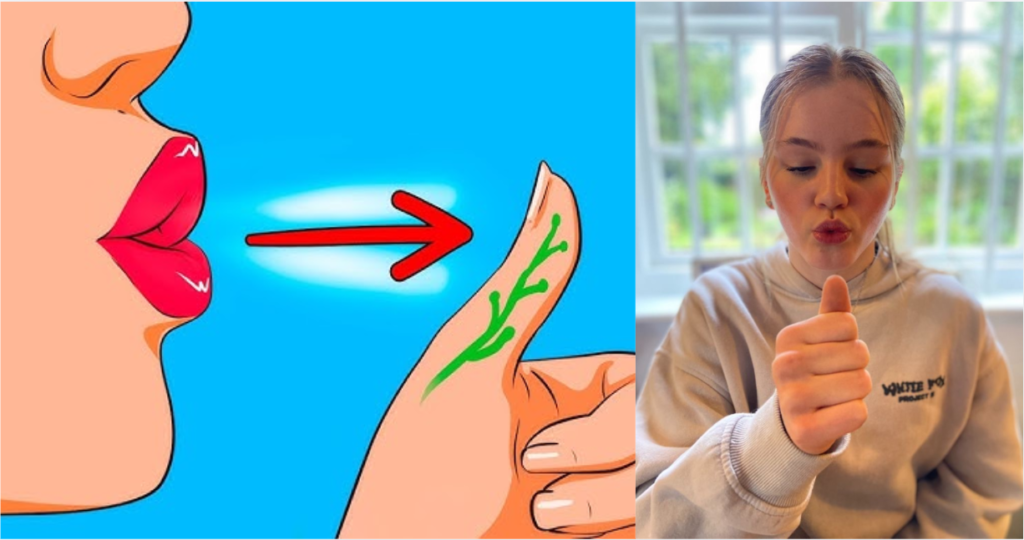
Understanding the Blow, Pause, Reset Micro-Habit
To harness the benefits of this micro-habit, it’s important to understand how it works and why it impacts your stress response.
The Science of Breath and Calm
Breathing is more than just a life-sustaining function; it’s a direct line to your nervous system. Slow, intentional breathing activates the parasympathetic nervous system—the “rest and digest” mode—counteracting the stress-triggered sympathetic nervous system.
Key Insight: Exhaling fully signals your body to relax, slowing your heart rate, lowering blood pressure, and reducing cortisol levels.
Why Micro-Habits Work
Micro-habits are small, easy-to-perform actions that can be repeated consistently. They are powerful because they require minimal effort but create noticeable changes in mood and behavior when done regularly.
Encouragement for Beginners: Even a few seconds of intentional breathing can start calming your mind. You don’t need to spend 30 minutes meditating to feel the effects.
Step-by-Step Guide: Performing Blow, Pause, Reset
Here’s how to make this micro-habit a practical tool in your daily routine.
Step 1: Blow (Exhale Fully)
- Take a deep breath in through your nose.
- Slowly exhale through your mouth, imagining you’re blowing out tension.
- Focus on lengthening your exhale—ideally 1.5 to 2 times longer than your inhale.
Tip: Picture releasing stress with each breath. This visualization enhances the calming effect.
Step 2: Pause (Hold Gently)
- After exhaling, gently pause for 1–2 seconds.
- Let your body feel the stillness and relief.
Why It Matters: This pause gives your nervous system time to respond to the exhale, reinforcing relaxation.
Step 3: Reset (Recenter Your Mind)
- Take a natural, calm breath in, focusing on the present moment.
- Visualize a clean slate, letting go of tension or worries.
- Repeat the cycle 2–5 times for instant calm.
Quick Tip: You can perform this anywhere—at your desk, in traffic, or even before a stressful meeting.
Advanced Strategies and Pro Tips
Once you’re comfortable with the basic technique, you can enhance its effectiveness with these strategies.
Timing Your Micro-Habits
- Morning Reset: Start your day with 1–2 cycles to set a calm tone.
- Midday Pause: Use during lunch breaks or between tasks to restore focus.
- Pre-Sleep: Calm your nervous system to improve sleep quality.
Pairing With Visualization
- Imagine stress leaving your body with each exhale.
- Visualize positive energy filling you during the inhale.
Combining With Movement
- Add gentle stretches or shoulder rolls while performing the breath cycle.
- Walking and breathing intentionally can amplify relaxation and circulation benefits.
Troubleshooting Common Challenges
Even simple habits can present small obstacles. Here’s how to overcome them.
Challenge: Forgetting to Pause
- Solution: Set phone reminders or sticky notes as gentle cues.
- Make the habit so short it’s hard to resist—even a single cycle counts.
Challenge: Feeling Dizziness
- Solution: Exhale slowly and avoid holding your breath too long.
- Ensure you’re seated comfortably when practicing the micro-habit for the first few times.
Challenge: Mind Wandering
- Solution: Focus on physical sensations—your chest rising and falling, the air passing your lips.
- Mindfulness anchors the habit, making it more effective.
Maximizing Benefits and Making It a Daily Practice
To make “Blow, Pause, Reset” a lasting tool:
- Incorporate it into daily routines—before meals, meetings, or transitions.
- Pair it with journaling or gratitude exercises for amplified mental calm.
- Track improvements in stress, focus, and sleep quality over time.
- Share the habit with colleagues or family—micro-habits often stick better in supportive environments.
Bonus Tip: Combine with other wellness strategies, such as hydration, short walks, and healthy snacks, for a holistic stress management plan.
Conclusion: Transform Stress Into Calm in Seconds
The “Blow, Pause, Reset” micro-habit demonstrates that you don’t need elaborate tools to manage stress. By taking a few intentional breaths, pausing, and centering yourself, you can achieve instant calm and improve focus, mood, and resilience.
Remember, consistency is key. Incorporate this micro-habit into daily life, experiment with timing and visualization, and watch how small actions can create big transformations in your mental well-being. You have the power to reset your nervous system and cultivate calm anytime, anywhere—one breath at a time.
Important Disclaimer: This article is for informational purposes only and should not replace professional advice. For health-related guidance, consult a qualified healthcare provider. Individual results may vary, and personal circumstances should always be considered when implementing any suggestions.