Discover effective, evidence-backed ways to relieve neck pain and support cervical disc health through movement, nutrition, and lifestyle adjustments.
Neck pain is a common and often frustrating problem, especially when it stems from cervical disc degeneration. If you’ve been struggling with stiffness, soreness, or discomfort that just doesn’t seem to go away, you’re not alone. Millions of adults experience cervical disc wear and tear as they age, and the question on everyone’s mind is: Can cervical disc degeneration be improved?
The good news is that while discs naturally lose some flexibility over time, there are proven strategies to alleviate pain, improve function, and even slow further degeneration. By combining evidence-based exercises, posture optimization, and lifestyle modifications, you can take control of your neck health and experience meaningful relief.
In this article, you’ll explore practical approaches to cervical disc health, learn how to reduce neck pain, and gain actionable tips to support your spine over the long term.
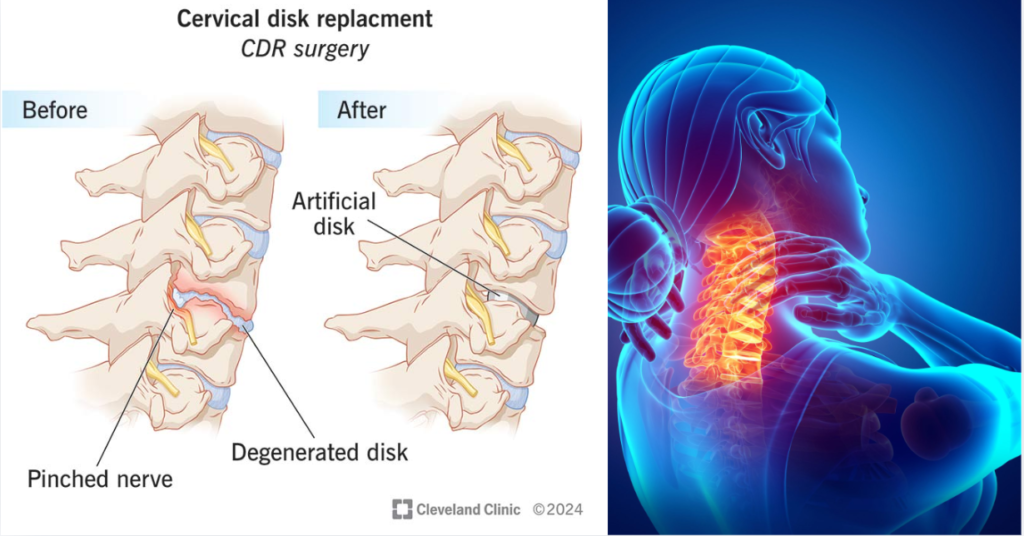
Understanding Cervical Disc Degeneration
Before diving into solutions, it’s important to understand what cervical disc degeneration is and why it causes discomfort.
What Is Cervical Disc Degeneration?
Cervical discs are the soft, cushion-like structures between the bones of your neck (vertebrae). Over time, discs can lose water content, flexibility, and height, leading to:
- Reduced shock absorption
- Stiffness and limited mobility
- Nerve compression causing pain, tingling, or numbness
This process is a normal part of aging, but certain factors like poor posture, repetitive strain, and injury can accelerate degeneration.
Symptoms You Might Notice
Not everyone with cervical disc degeneration experiences pain, but common signs include:
- Persistent neck stiffness
- Pain radiating into shoulders, arms, or upper back
- Tingling or numbness in hands or fingers
- Headaches originating from the neck
Recognizing these symptoms early allows you to implement strategies that slow progression and manage discomfort effectively.
Evidence-Based Approaches to Neck Pain Relief
Cervical disc degeneration cannot always be fully reversed, but research shows that targeted interventions can significantly improve function and reduce pain.
Physical Therapy and Neck Exercises
One of the most effective methods for improving cervical health is regular, guided movement.
Strengthening Exercises
Strengthening the muscles that support the neck stabilizes the spine and reduces stress on discs. Key exercises include:
- Neck flexion and extension with resistance
- Shoulder blade squeezes
- Isometric neck exercises
Stretching and Mobility
Maintaining flexibility prevents stiffness and improves range of motion:
- Chin tucks
- Upper trapezius stretches
- Gentle rotation and side-bending
A physical therapist can tailor a program that addresses your specific needs and prevents injury.
Posture Optimization
Modern lifestyles, especially prolonged sitting and screen use, contribute to disc stress. Small adjustments can make a big difference:
- Keep your monitor at eye level
- Avoid prolonged forward head posture
- Take regular breaks to stand and stretch
Over time, improved posture reduces compression on cervical discs and alleviates tension in surrounding muscles.
Pain Management Techniques
Managing discomfort while you address the root causes is essential:
- Ice or heat therapy for inflammation and muscle tension
- Over-the-counter anti-inflammatory medications (as recommended)
- Ergonomic supports such as cervical pillows or seat adjustments
Combining pain relief with functional exercises ensures that you remain active without exacerbating symptoms.
Advanced Strategies for Long-Term Cervical Health
Once you’ve established foundational habits, consider these advanced strategies to enhance spinal health and quality of life.
Mindful Movement Practices
Low-impact activities such as yoga, Pilates, and Tai Chi improve neck strength, flexibility, and posture awareness. These exercises also reduce stress, which can decrease muscle tension in the neck.
Nutritional Support
Certain nutrients may support spinal health by reducing inflammation and supporting tissue repair:
- Omega-3 fatty acids from fish or flaxseed
- Antioxidant-rich fruits and vegetables
- Adequate protein for muscle support
- Vitamin D and calcium for bone health
A balanced diet complements your physical therapy regimen and promotes overall musculoskeletal health.
Lifestyle Modifications
Incorporating sustainable habits makes a long-term difference:
- Avoid carrying heavy bags on one shoulder
- Sleep on a supportive mattress and pillow
- Stay active throughout the day with frequent movement breaks
Small, consistent adjustments can reduce further stress on cervical discs and improve comfort.
Common Challenges and How to Overcome Them
Managing cervical disc degeneration comes with obstacles, but solutions are available.
Dealing With Persistent Pain
Even with therapy, flare-ups may occur. Strategies include:
- Adjusting your exercise intensity
- Using short periods of gentle stretching to relieve stiffness
- Consulting a healthcare provider for advanced interventions if necessary
Motivation and Adherence
Maintaining a routine can be challenging. Try:
- Setting realistic goals for mobility improvement
- Tracking progress to stay motivated
- Incorporating exercises into daily activities rather than as an extra task
When Surgery Might Be Necessary
In severe cases, conservative management may not suffice. Surgery is typically considered if:
- Nerve compression leads to significant weakness
- Pain persists despite comprehensive therapy
- There’s a risk of spinal instability
Always discuss surgical options with a qualified spine specialist.
Maximizing Results and Maintaining Neck Health
Your long-term success depends on consistency and proactive habits.
Combine Exercise With Ergonomics
Strengthening and stretching alone are most effective when paired with proper posture and ergonomic adjustments.
Regular Check-Ins
Periodic assessments with a physical therapist or physician can detect changes early and adjust your plan accordingly.
Complementary Strategies
Consider integrating:
- Mindfulness or relaxation techniques to reduce muscle tension
- Low-impact cardiovascular exercise to improve circulation and healing
- Core strengthening to support overall spinal alignment
By maintaining these habits, you not only relieve current discomfort but also protect your cervical discs for years to come.
Conclusion: Take Charge of Your Cervical Health
While cervical disc degeneration cannot always be fully reversed, evidence-based approaches can significantly improve neck pain, mobility, and quality of life. By combining guided exercises, posture optimization, lifestyle modifications, and nutritional support, you can achieve meaningful relief and maintain function.
Start with small, consistent steps. Incorporate targeted stretches, adjust your daily posture, and prioritize neck-friendly habits. Over time, these changes empower you to manage symptoms, prevent further degeneration, and enjoy a more comfortable, active life.
Remember: your cervical health is within your control, and the right strategies can transform your neck comfort and overall well-being.
Important Disclaimer: This article is for informational purposes only and should not replace professional advice. Consult healthcare providers for diagnosis, treatment, or personalized guidance. Individual results may vary, and personal circumstances should always be considered when implementing any suggestions.