Premenstrual syndrome (PMS) affects millions of women each month, often bringing a mix of physical discomfort and emotional stress. From bloating and cramps to irritability and sleep disturbances, the symptoms can disrupt daily life. Amid growing interest in natural remedies, valerian root has emerged as a potential ally for easing PMS symptoms, particularly in improving sleep, reducing pain, and calming emotional fluctuations.
This article explores the science behind valerian root and its effects on PMS, offering practical guidance for women seeking natural support. By understanding how this herbal supplement works, you can make informed choices about incorporating it into your wellness routine. Whether your focus is better sleep, reduced cramping, or emotional balance, valerian root may offer benefits backed by research and centuries of traditional use.
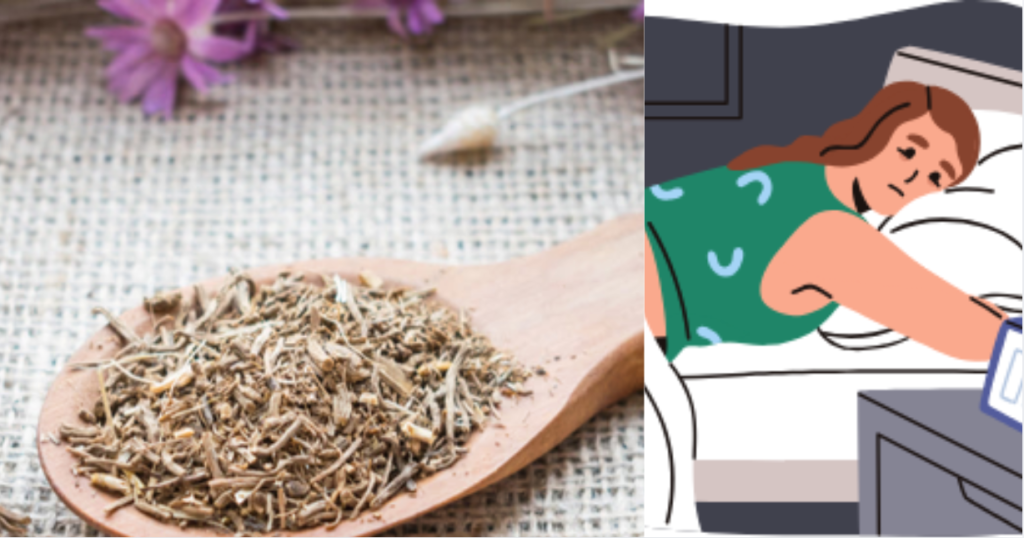
Understanding PMS and Its Impact
Before diving into valerian root’s role, it’s important to understand what PMS entails and how it affects the body and mind.
What is PMS?
Premenstrual syndrome refers to a variety of physical and emotional symptoms that occur in the luteal phase of the menstrual cycle, typically 1–2 weeks before menstruation. Common symptoms include:
- Cramps and lower abdominal pain
- Breast tenderness
- Bloating and digestive changes
- Mood swings, anxiety, and irritability
- Sleep disturbances
PMS symptoms can range from mild to severe, and in some cases, significantly affect quality of life.
Why Natural Remedies Are Popular
While over-the-counter pain relievers and hormonal treatments are effective, many women seek natural alternatives. Herbs like valerian root, chamomile, and magnesium supplements are popular because they target specific PMS symptoms without the side effects often associated with pharmaceuticals.
Natural remedies appeal to those looking for a holistic approach that addresses both physical discomfort and emotional well-being.
How Valerian Root Works
Valerian root is an herb long used in traditional medicine to promote relaxation and improve sleep. Modern research has begun to uncover how it may help alleviate PMS symptoms.
Sleep Support
Sleep disturbances are common in the days leading up to menstruation. Valerian root contains compounds like valerenic acid, which influence GABA receptors in the brain. GABA (gamma-aminobutyric acid) is a neurotransmitter that promotes calm and reduces nerve excitability.
Research indicates that valerian may:
- Reduce the time it takes to fall asleep
- Improve overall sleep quality
- Help regulate sleep cycles disrupted by hormonal changes
Better sleep can indirectly reduce PMS-related fatigue, irritability, and mood swings.
Pain Reduction
Cramping and muscle tension are hallmark PMS symptoms. Valerian root’s sedative properties may also act as a mild muscle relaxant. Some studies suggest that valerian can:
- Reduce the severity of menstrual cramps
- Alleviate tension in smooth muscles, including the uterus
- Provide mild analgesic effects comparable to over-the-counter painkillers in certain cases
This dual action—promoting relaxation while reducing pain—makes valerian particularly appealing for women experiencing both physical discomfort and stress.
Emotional Relief
Mood swings, anxiety, and irritability often accompany PMS. Valerian’s interaction with GABA receptors helps calm the nervous system, potentially supporting emotional balance. Users often report:
- Reduced anxiety
- Less irritability and emotional reactivity
- Enhanced sense of calm and well-being
By addressing both the physical and emotional symptoms, valerian root may offer comprehensive relief for PMS sufferers.
How to Use Valerian Root for PMS
Integrating valerian root into your PMS routine requires attention to timing, dosage, and form.
Forms of Valerian Root
Valerian is available in several forms, including:
- Capsules or tablets
- Dried root for tea
- Liquid extracts and tinctures
Capsules provide standardized doses, while teas and tinctures allow for flexibility and a soothing ritual that may enhance relaxation.
Recommended Dosage
Typical adult doses for sleep and relaxation range from 300–600 mg of valerian extract, taken about 30–60 minutes before bedtime. For PMS, many women take it during the week prior to menstruation to help manage cramps and mood symptoms.
Timing and Consistency
To achieve optimal benefits:
- Begin taking valerian a few days before expected PMS symptoms.
- Maintain consistent use throughout the luteal phase.
- Avoid combining with other sedatives or alcohol unless advised by a healthcare provider.
Consistency is key, as valerian’s effects may be cumulative and more pronounced with regular use.
Safety and Precautions
Valerian root is generally considered safe for short-term use, but certain precautions should be observed.
Potential Side Effects
Mild side effects may include:
- Headache
- Dizziness
- Stomach upset
- Morning grogginess if taken in high doses
Rarely, some individuals may experience allergic reactions or excessive sedation.
Interactions
Valerian can interact with:
- Sedatives and sleep aids
- Alcohol
- Certain antidepressants and anti-anxiety medications
Consult a healthcare professional before combining valerian with prescription medications.
Troubleshooting and Alternatives
Not everyone responds to valerian in the same way, and alternative strategies can complement its effects.
When Valerian Isn’t Enough
If PMS symptoms remain severe despite valerian use:
- Incorporate other natural remedies like magnesium, omega-3 fatty acids, or chamomile.
- Practice gentle exercise, yoga, or meditation to reduce tension and improve mood.
- Maintain a balanced diet rich in fruits, vegetables, and whole grains to support hormonal balance.
Lifestyle Considerations
Simple lifestyle adjustments can enhance the effectiveness of herbal interventions:
- Prioritize regular sleep schedules
- Stay hydrated to reduce bloating
- Avoid excessive caffeine and sugar, which may exacerbate irritability and sleep disturbances
Combining valerian with these supportive practices often yields the best results.
Quick Answer: Can Valerian Root Ease PMS?
Yes, research suggests that valerian root can support women in managing PMS symptoms. It may:
- Improve sleep quality disrupted by hormonal changes
- Reduce cramping and muscular discomfort
- Support emotional balance and reduce anxiety
While results vary, valerian is a natural option worth exploring as part of a comprehensive PMS management plan.
Maximizing Benefits for PMS Relief
For best outcomes:
- Begin supplementation a few days before your period.
- Pair valerian use with stress management techniques like deep breathing or mindfulness.
- Monitor your body’s response and adjust dosage or timing if necessary.
- Explore complementary remedies such as magnesium supplementation or herbal teas to enhance symptom relief.
By combining valerian with lifestyle adjustments, you can create a proactive plan that addresses both the physical and emotional aspects of PMS.
Conclusion: Empower Your Cycle Naturally
Valerian root offers a promising natural option for easing PMS symptoms, including sleep disturbances, cramping, and emotional ups and downs. While it may not replace other interventions, incorporating valerian into your routine can provide gentle support for mind and body.
By understanding how valerian works, using it consistently, and complementing it with lifestyle strategies, you can take control of your menstrual well-being. With thoughtful, informed use, valerian root can help you feel more balanced, rested, and prepared for each cycle.
Important Disclaimer: This article is for informational purposes only and should not replace professional advice. For health-related topics, consult healthcare providers. Individual results may vary, and personal circumstances should always be considered when implementing any suggestions.