Meta Description: Learn why colorectal cancer screening is essential for early detection. Discover methods, benefits, and when to get tested to protect your health.
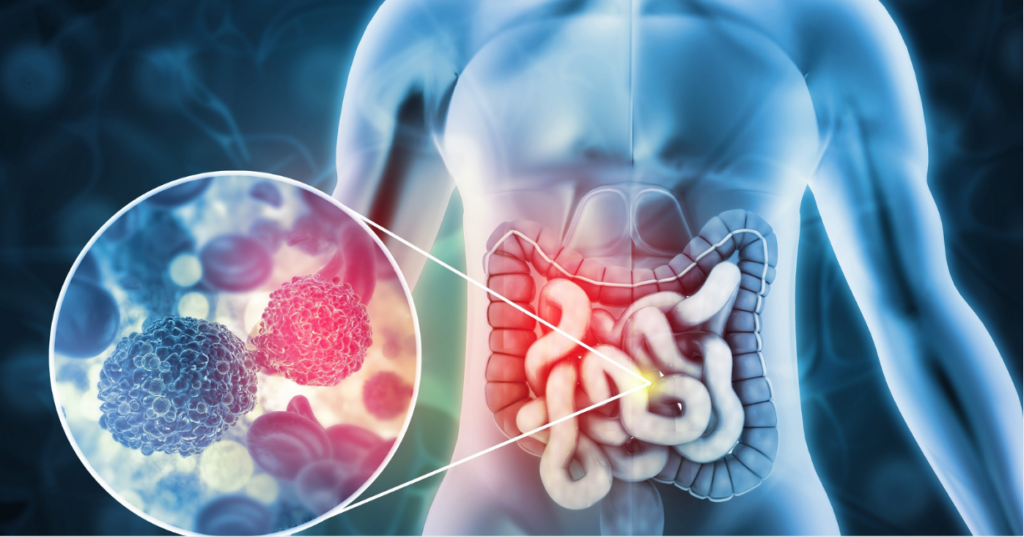
Introduction
When it comes to your health, timing can make all the difference. Colorectal Cancer often develops silently, without obvious symptoms in its early stages. That’s why colorectal cancer screening is one of the most powerful tools you have—it can detect changes before they become life-threatening.
In this guide, you’ll discover why screening matters, how it works, and what steps you can take today to protect yourself. The good news? With early detection, colorectal cancer is highly treatable—and often preventable.
Section 1: Understanding Colorectal Cancer and Screening
H3: What Is Colorectal Cancer?
Colorectal cancer begins in the colon or rectum, usually as small growths called polyps. Over time, some of these polyps can become cancerous if not removed.
H3: Why Screening Is So Important
Screening doesn’t just detect cancer—it can prevent it by identifying and removing precancerous polyps.
Key Benefits:
- Detects cancer early when treatment is most effective
- Reduces risk of developing cancer
- Saves lives through prevention
H3: Who Should Be Screened?
- Adults aged 45 and older
- People with a family history of colorectal cancer
- Individuals with certain digestive conditions
Section 2: Common Screening Methods Explained
H3: Colonoscopy (Gold Standard)
A colonoscopy allows doctors to examine the entire colon using a flexible camera. It can also remove polyps during the procedure.
Frequency: Every 10 years (if normal)
H3: Stool-Based Tests
- Fecal Immunochemical Test (FIT): Detects hidden blood in stool
- Guaiac-based fecal occult blood test (gFOBT)
- Stool DNA test: Detects abnormal DNA and blood
Frequency: Usually every 1–3 years
H3: Other Screening Options
- CT colonography (virtual colonoscopy)
- Flexible sigmoidoscopy
Tip: Your doctor will help choose the best option based on your risk and preferences.
Section 3: Step-by-Step Screening Process
H3: Step 1 – Assess Your Risk
Talk to your healthcare provider about your personal and family history. This determines when and how often you should be screened.
H3: Step 2 – Choose the Right Test
Each method has benefits. For example:
- Colonoscopy is more comprehensive
- Stool tests are non-invasive and convenient
H3: Step 3 – Prepare Properly
For colonoscopy:
- Follow dietary instructions
- Complete bowel preparation carefully
For stool tests:
- Follow sample collection guidelines
H3: Step 4 – Follow Up
- If results are normal → continue routine screening
- If abnormal → further testing may be needed
Section 4: Advanced Insights and Pro Tips
H3: Early Detection Saves Lives
Research shows that early-stage colorectal cancer has a survival rate of over 90% when detected early.
H3: Lifestyle Factors Matter
Reduce your risk by:
- Eating a fiber-rich diet
- Limiting processed and red meat
- Staying physically active
- Avoiding smoking and excessive alcohol
H3: Customize Your Approach
Your screening plan should be personalized. Factors like age, genetics, and lifestyle all play a role.
Featured Snippet: When Should You Start Colorectal Cancer Screening?
Most people should begin colorectal cancer screening at age 45. However, if you have risk factors such as a family history, you may need to start earlier. Always consult your healthcare provider for personalized advice.
Section 5: Troubleshooting Common Concerns
H3: “I Feel Fine—Do I Still Need Screening?”
Yes. Colorectal cancer often develops without symptoms in its early stages.
H3: “Is Screening Painful or Difficult?”
- Stool tests are simple and done at home
- Colonoscopy is performed under sedation, so you won’t feel discomfort
H3: “What If I’m Afraid of the Results?”
It’s natural to feel nervous, but early detection gives you the best chance for successful treatment. Avoiding screening only delays care.
Section 6: Maximizing Your Long-Term Health
H3: Build a Preventive Routine
- Schedule regular screenings
- Track your medical history
- Stay consistent with follow-ups
H3: Combine Screening with Healthy Habits
- Balanced nutrition
- Regular exercise
- Stress management
H3: Stay Informed and Empowered
Knowledge is power. The more you understand your health, the better decisions you can make.
Internal Linking Opportunities:
Explore related topics like digestive health tips, anti-inflammatory diets, cancer prevention strategies, gut microbiome health, and healthy lifestyle habits.
Conclusion
Colorectal cancer screening is not just a medical test—it’s a life-saving decision. By taking action early, you can detect problems before they become serious and protect your future health.
Takeaway: Don’t wait for symptoms. Schedule your screening, stay proactive, and encourage others to do the same. Your health is worth it—and early detection truly saves lives.
Important Disclaimer: This article is for informational purposes only and should not replace professional medical advice. Consult a healthcare provider for personalized screening recommendations and medical guidance.