Tonsillitis is more than just a sore throat—it’s a signal that your body is fighting an infection, often caused by bacteria or viruses. Recognizing the common symptoms of tonsillitis early can help you seek timely care, prevent complications, and recover faster. By understanding what to look for, you can protect your health and avoid prolonged discomfort.
In this article, you’ll learn how to identify the warning signs of tonsillitis, understand the differences between viral and bacterial causes, and discover strategies to manage symptoms effectively. From persistent throat pain to fever and difficulty swallowing, these indicators can guide you in seeking medical attention when necessary. Paying attention to your body’s signals empowers you to take control of your health and prevent the infection from worsening.
Foundation: Understanding Tonsillitis
Tonsillitis occurs when your tonsils, two lymph nodes located at the back of your throat, become inflamed. They are part of your immune system and help trap pathogens, but sometimes they themselves become infected.
What Causes Tonsillitis?
Tonsillitis can be triggered by:
- Viral infections: such as adenovirus or influenza
- Bacterial infections: most commonly group A Streptococcus
- Environmental factors: exposure to cold weather, allergens, or irritants
Understanding the cause is important for choosing the right treatment approach. Viral tonsillitis often resolves on its own, while bacterial infections may require antibiotics.
Who Is at Risk?
While tonsillitis can affect anyone, certain factors increase susceptibility:
- Children and teenagers
- Individuals with weakened immune systems
- People frequently exposed to germs, such as in schools or workplaces
Recognizing the Key Symptoms
Knowing the early warning signs of tonsillitis can help you act promptly and reduce the risk of complications.
Sore Throat and Pain
The most common symptom is a persistent sore throat, often accompanied by:
- Pain or discomfort when swallowing
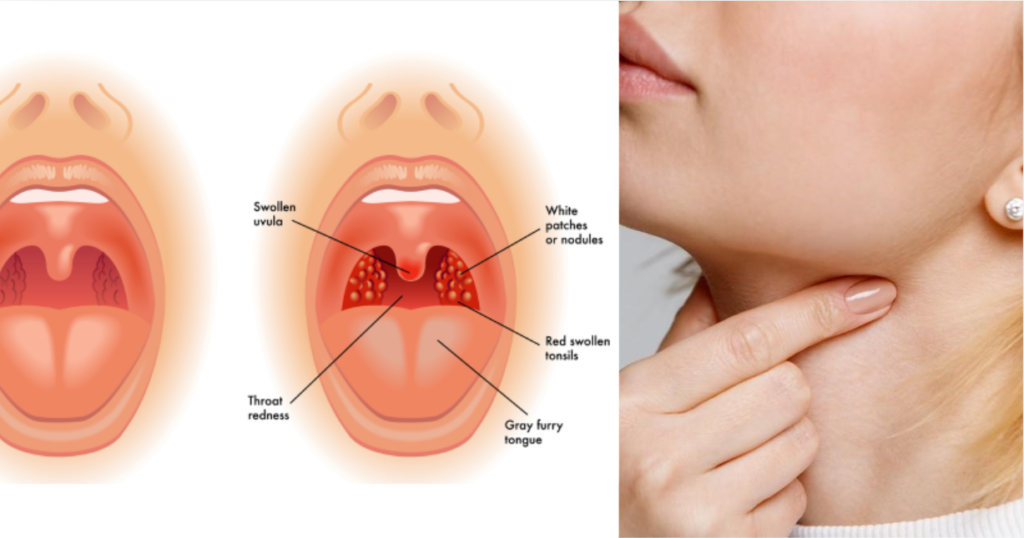
- Throat redness or swelling
- A feeling of scratchiness or irritation
Fever and Fatigue
Many individuals experience:
- Elevated body temperature
- Chills or shivering
- Unexplained tiredness and weakness
These systemic symptoms indicate your body is actively fighting an infection.
Swollen Tonsils and White Patches
Physical changes in the tonsils are telltale signs:
- Enlarged tonsils that may touch each other
- White or yellow spots on the tonsil surface
- Difficulty breathing in severe cases
Advanced Signs: When to Seek Immediate Care
Some symptoms indicate the need for urgent medical attention.
Difficulty Swallowing or Breathing
If you experience:
- Pain severe enough to prevent eating or drinking
- Shortness of breath or noisy breathing
- Obstructed airways due to swelling
Seek immediate medical evaluation.
Persistent or High Fever
A fever above 101°F (38.3°C) that does not respond to medication may indicate a bacterial infection that requires antibiotics.
Ear Pain and Headaches
Infections can spread or create pressure, causing:
- Earaches
- Headaches
- Neck stiffness or swollen lymph nodes
These symptoms suggest the infection may be affecting surrounding tissues.
Step-by-Step: Managing Symptoms at Home
While seeking professional guidance is critical, there are steps you can take to ease discomfort at home.
Hydration and Rest
- Drink plenty of water and warm fluids
- Rest your body to support immune function
- Avoid irritants like smoke or alcohol
Pain Relief
- Over-the-counter painkillers like acetaminophen or ibuprofen
- Warm saltwater gargles to soothe the throat
- Honey or herbal teas to reduce irritation
Monitoring Progress
Keep track of your symptoms:
- Note changes in fever, pain, and tonsil appearance
- Seek medical attention if symptoms worsen or persist beyond 7–10 days
Preventive Measures and Long-Term Considerations
Preventing tonsillitis and minimizing recurrence is just as important as treatment.
Good Hygiene Practices
- Wash hands frequently
- Avoid sharing utensils or drinks
- Cover mouth and nose when sneezing or coughing
Boosting Immunity
- Maintain a balanced diet rich in vitamins and minerals
- Engage in regular physical activity
- Ensure sufficient sleep each night
Medical Interventions
For recurring or severe cases:
- Antibiotic therapy for bacterial infections
- Tonsillectomy (surgical removal of tonsils) in chronic cases
Consult your healthcare provider to determine the best course of action based on your history and severity of infection.
Conclusion: Listen to Your Body
Recognizing the common symptoms of tonsillitis empowers you to take action before minor discomfort escalates into serious health issues. From sore throat and fever to swollen tonsils and ear pain, these warning signs are your body’s way of signaling that care is needed.
By staying alert, practicing good hygiene, and seeking medical attention when necessary, you can manage tonsillitis effectively and protect your overall health. Remember, proactive awareness and timely intervention are your best tools—listen to your body and act wisely to ensure faster recovery and long-term wellness.
Important Disclaimer: This article is for informational purposes only and should not replace professional medical advice. Consult a healthcare provider for personalized guidance, especially if symptoms persist or worsen.