Meta Description: Discover the root causes of chronic stress, how it impacts your mind and body, and actionable strategies to regain balance and well-being.
Introduction
Stress is more than a fleeting feeling of pressure—chronic stress can quietly shape your physical, emotional, and mental health. While many focus on symptoms like irritability, fatigue, or sleepless nights, understanding the root drivers of chronic stress is key to unlocking long-term relief.
By identifying the underlying causes, you can transform how you respond to daily challenges, regain emotional resilience, and improve overall wellness. This guide delves into the multifaceted origins of stress, from lifestyle habits to cognitive patterns, while offering practical strategies to break the cycle. Whether you’re struggling with work pressure, relationship tension, or internal pressures you may not even realize, this article empowers you to pinpoint triggers and take meaningful action.
Section 1: Foundation – Understanding Stress at Its Core
Before addressing stress, it’s essential to recognize what drives it and how it manifests in the body and mind.
H3: Physiological Basis of Stress
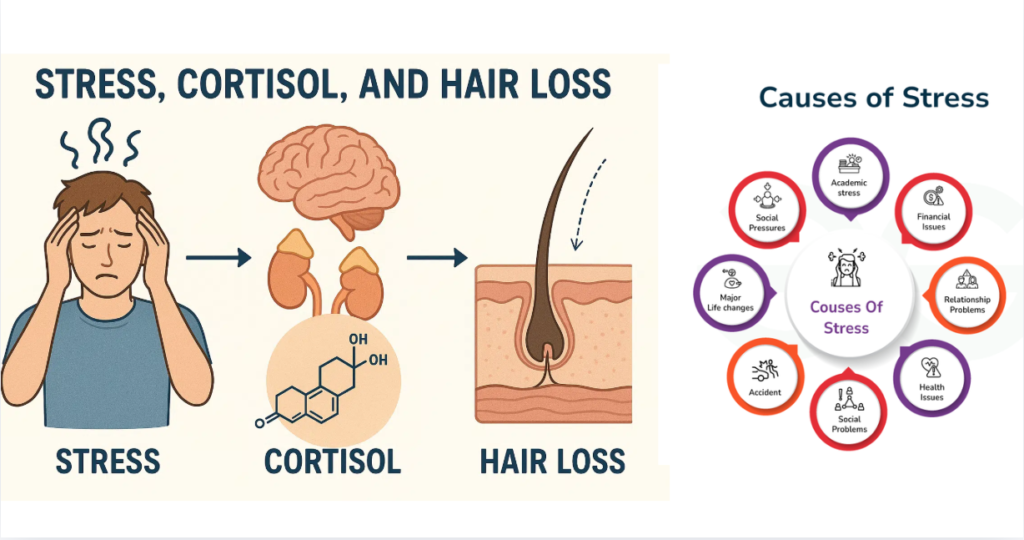
Stress activates the hypothalamic-pituitary-adrenal (HPA) axis, releasing cortisol and adrenaline. These hormones prepare your body for “fight or flight,” affecting:
- Heart rate and blood pressure
- Blood sugar levels
- Immune system function
While this response is protective short-term, chronic activation can lead to fatigue, inflammation, and other health complications.
H3: Psychological Triggers
Your mind plays a significant role in stress. Common cognitive drivers include:
- Overthinking or rumination
- Unrealistic expectations of self or others
- Perceived loss of control over life events
Recognizing these mental patterns helps you target the true source, rather than just addressing symptoms.
H3: Environmental and Lifestyle Contributors
External factors often intensify stress:
- Workplace pressure or toxic environments
- Financial strain or uncertainty
- Poor sleep, diet, or lack of physical activity
Understanding how your environment interacts with your internal state is crucial for meaningful stress reduction.
Section 2: Identifying Root Drivers Step-by-Step
H3: Map Your Stressors
- Step 1: Keep a stress journal for 1-2 weeks
- Step 2: Note situations, people, and thoughts that trigger tension
- Step 3: Identify patterns and recurring themes
This practice creates awareness and helps separate minor irritations from major stress sources.
H3: Evaluate Emotional Responses
- Ask yourself which reactions feel automatic versus controllable
- Notice when fear, anger, or guilt drives your stress
- Consider therapy or counseling to explore deeper emotional triggers
H3: Examine Lifestyle Factors
- Assess diet, exercise, sleep, and digital habits
- Observe whether caffeine, alcohol, or screen time intensify stress
- Make incremental adjustments rather than drastic changes
By combining internal reflection with lifestyle evaluation, you uncover hidden contributors to chronic stress.
Section 3: Advanced Strategies to Address Chronic Stress
H3: Cognitive Restructuring
- Challenge negative thoughts and cognitive distortions
- Reframe stressors as opportunities for growth
- Use mindfulness to reduce rumination
H3: Integrative Health Practices
- Yoga, meditation, and breathing exercises reduce HPA axis activation
- Progressive muscle relaxation helps lower physical tension
- Nature exposure and sensory engagement promote calm
H3: Personalized Stress Management
- Recognize that triggers are unique—what works for one person may not work for another
- Experiment with journaling, creative hobbies, or structured routines
- Maintain flexibility, adjusting strategies as life changes
Section 4: Troubleshooting Common Challenges
H4: Persistent Workplace Stress
- Set boundaries and manage expectations
- Prioritize tasks and delegate when possible
- Seek mentorship or professional guidance
H4: Relationship-Related Stress
- Communicate needs clearly and respectfully
- Practice active listening
- Consider couples counseling or social support networks
H4: Internalized Stress
- Challenge perfectionism and self-criticism
- Incorporate daily micro-breaks to prevent overload
- Track progress and celebrate small victories
Preventive measures and alternative approaches empower you to respond proactively rather than reactively.
Section 5: Maximizing Long-Term Resilience
H3: Develop Daily Routines
- Morning and evening rituals set the tone for stress management
- Incorporate consistent sleep, nutrition, and physical activity
- Use intentional breathing or meditation to reset during the day
H3: Build Support Systems
- Connect with friends, family, or support groups
- Share challenges openly to reduce isolation
- Seek mentorship or coaching for personal growth
H3: Continuous Learning and Adaptation
- Explore new stress-reduction techniques
- Stay informed about research on chronic stress and mental health
- Adjust strategies to fit evolving life circumstances
Internal Linking Opportunities
- “Mindfulness Techniques for Everyday Calm”
- “Nutrition and Mental Health: Fueling Your Mind”
- “Exercise for Stress Reduction: Building Physical and Emotional Resilience”
- “Cognitive Behavioral Strategies for Anxiety Management”
- “Work-Life Balance: Tools for Sustainable Productivity”
Featured Snippet: What Causes Chronic Stress?
Chronic stress often stems from a combination of physiological, psychological, and environmental factors. Key drivers include persistent work pressure, financial strain, negative thought patterns, relationship tension, poor lifestyle habits, and lack of perceived control over life events. Identifying these root causes enables targeted interventions to reduce stress and improve overall well-being.
Conclusion
Chronic stress is not just a passing feeling—it’s a complex interplay of internal and external factors affecting your body, mind, and life satisfaction. By uncovering the root drivers of stress, evaluating lifestyle habits, and adopting evidence-based coping strategies, you gain the power to transform how stress affects you.
Through mindful awareness, cognitive reframing, and integrative wellness practices, you can reclaim balance, increase resilience, and enhance overall well-being. Remember, understanding stress is the first step toward mastering it—and you have the tools to create a calmer, more empowered life.
Important Disclaimer: This article is for informational purposes only and should not replace professional advice. For health-related topics, consult healthcare providers. Individual results may vary, and personal circumstances should always be considered when implementing any suggestions.