Meta Description: Discover how subtle changes in your smell and taste can reveal early signs of health issues and learn how to respond effectively to your body’s signals.
Introduction
Have you ever noticed that foods taste different, or that familiar scents seem muted or unusually strong? These subtle shifts are more than just quirky changes—they are often early signals your body sends to indicate underlying health changes. Smell and taste signals can reveal nutrient deficiencies, hormonal imbalances, infections, or even neurological changes before more obvious symptoms appear.
By paying attention to these early clues, you can take proactive steps toward wellness, prevent potential complications, and optimize your overall health. This article dives into the science behind how your body communicates through taste and smell, what these signals mean, and practical strategies to respond. Understanding these cues will empower you to listen closely to your body and act before small imbalances become bigger issues.
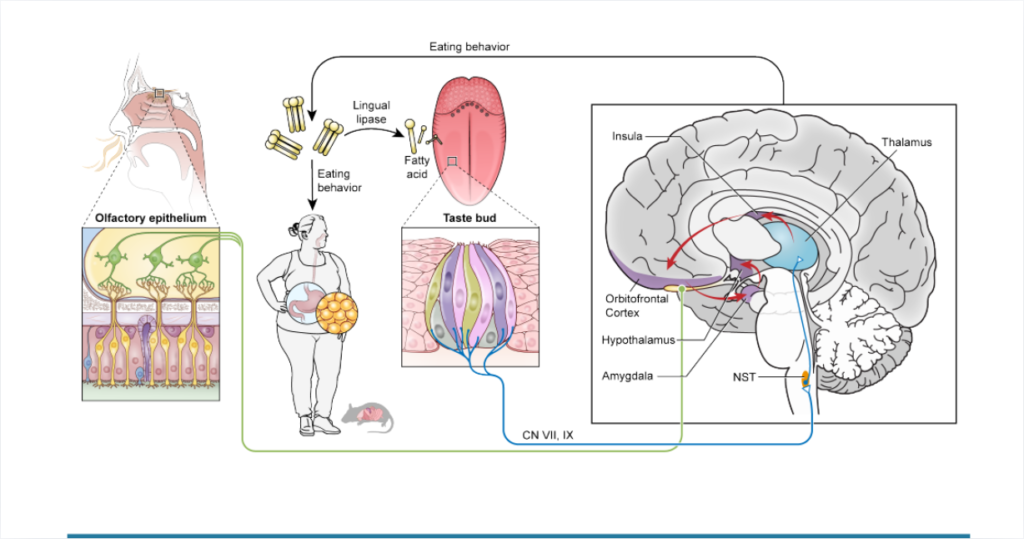
Section 1: Foundation – Understanding Smell and Taste Signals
To decode these signals, it’s important to understand the mechanisms behind them and why they matter.
How Smell Works
Your sense of smell, or olfaction, is managed by specialized sensory cells in your nasal cavity. These cells detect odor molecules and send signals to your brain for interpretation. Changes in smell can indicate:
- Sinus or respiratory infections
- Hormonal shifts (e.g., pregnancy, menopause)
- Neurological conditions such as Parkinson’s or Alzheimer’s
How Taste Works
Taste, or gustation, is processed by taste buds on your tongue, which detect five primary flavors: sweet, sour, salty, bitter, and umami. Alterations in taste may signal:
- Nutrient deficiencies (like zinc or vitamin B12)
- Oral infections or gum disease
- Medication side effects
The Interplay Between Smell and Taste
Smell and taste are closely linked. A diminished sense of smell can make food taste bland, while unusual flavors may stem from changes in olfactory function. Recognizing this connection helps you interpret signals accurately.
Section 2: Common Smell and Taste Clues to Watch For
H3: Altered Smell Sensitivity
- Loss of smell (anosmia): Could indicate sinus issues, viral infections, or early neurological changes.
- Heightened smell (hyperosmia): Often linked to pregnancy, migraines, or certain metabolic disorders.
H3: Altered Taste Perception
- Metallic or bitter taste: May signal medication effects, acid reflux, or early liver or kidney issues.
- Sweet or salty taste cravings: Could indicate electrolyte imbalances or blood sugar fluctuations.
- Food aversions: Sometimes linked to psychological stress or early illness.
H3: Combination Changes
- Noticeable changes in both taste and smell can point to systemic issues like nutrient deficiencies or early signs of infection. Paying attention to patterns rather than single occurrences is key.
Section 3: Step-by-Step Methods to Monitor and Interpret Signals
Step 1: Track Your Sensory Changes
- Keep a journal noting changes in taste and smell
- Record foods that taste different, unusual cravings, or aversions
- Note accompanying symptoms like fatigue, digestive changes, or headaches
Step 2: Evaluate Possible Causes
- Check for recent medications or supplements
- Consider dietary or lifestyle changes
- Observe environmental factors like air quality or allergens
Step 3: Respond Proactively
- Address nutritional gaps with a balanced diet or supplementation (consult a healthcare provider first)
- Treat underlying sinus, dental, or oral health issues
- Manage stress and sleep, which can influence sensory function
Section 4: Advanced Strategies and Pro Tips
H3: Nutritional Support
- Zinc-rich foods (pumpkin seeds, beef, spinach) can enhance taste perception
- Vitamin B12 support may help maintain neurological function
- Hydration and balanced electrolytes improve overall sensory sensitivity
H3: Sensory Training
- Exposure to a variety of smells and flavors can “train” your senses
- Aromatherapy or mindful eating exercises help refine detection and interpretation of signals
H3: Consult Professionals When Needed
- Persistent changes in taste or smell may require ENT, dental, or neurological assessment
- Early consultation can detect underlying conditions before they worsen
Section 5: Troubleshooting Common Challenges
Challenge 1: Distinguishing Temporary vs. Persistent Changes
- Temporary changes often accompany colds, minor infections, or new medications
- Persistent changes lasting weeks should be evaluated by a professional
Challenge 2: Managing Sensory Overload or Loss
- Avoid overstimulation from strong-smelling substances if hypersensitive
- Use flavor enhancers like herbs or spices if taste is muted
Challenge 3: Maintaining Motivation
- Track progress to notice improvements with lifestyle adjustments
- Combine dietary, lifestyle, and environmental strategies for consistent results
Section 6: Maximizing Health Benefits from Sensory Awareness
H3: Integrate Into Daily Life
- Practice mindful eating to enhance awareness of taste cues
- Check for early warning signs during routine meals and snacks
H3: Complementary Health Practices
- Regular check-ups for oral health and nutrient status
- Stress management techniques to prevent sensory disruptions
- Balanced diet to support nerve function and sensory sensitivity
H3: Internal Linking Opportunities
- “Early Signs of Nutrient Deficiencies You Shouldn’t Ignore”
- “Mindful Eating Practices to Boost Health and Sensory Awareness”
- “Stress and Digestion: How Your Body Sends Early Signals”
- “Simple Home Strategies for Maintaining Oral Health”
- “Recognizing Subtle Neurological Symptoms Early”
Featured Snippet: What Do Changes in Smell and Taste Mean?
Changes in smell and taste often serve as early indicators of health issues. They can reveal nutrient deficiencies, infections, hormonal changes, or neurological conditions. Monitoring these sensory signals allows you to take proactive steps toward treatment, dietary adjustments, or professional evaluation before more serious symptoms develop.
Conclusion
Your body communicates in many ways, and smell and taste signals are subtle but powerful clues about your health. By becoming aware of shifts in these senses, tracking patterns, and responding proactively, you can detect potential issues early, optimize nutrition, and support overall well-being.
Listening closely to your senses empowers you to act before small imbalances escalate into bigger problems. Start paying attention today—your taste buds and nose are more than sensory tools; they’re early-warning systems designed to keep you healthy, alert, and thriving.
Important Disclaimer: This article is for informational purposes only and should not replace professional advice. For health-related topics, consult healthcare providers. Individual results may vary, and personal circumstances should always be considered when implementing any suggestions.