Meta Description: Learn about Deep Vein Thrombosis (DVT), including symptoms, diagnosis, risk factors, complications, and evidence-based management in a clear clinical overview.
Deep Vein Thrombosis (DVT) is a potentially serious condition in which a blood clot forms in the deep veins—most commonly in the legs. It is clinically important because the clot can partially or completely block blood flow, and in some cases, it may dislodge and travel to the lungs, causing life-threatening complications.
Understanding DVT symptoms, diagnosis, and management is essential for early detection and prevention of complications such as pulmonary embolism.
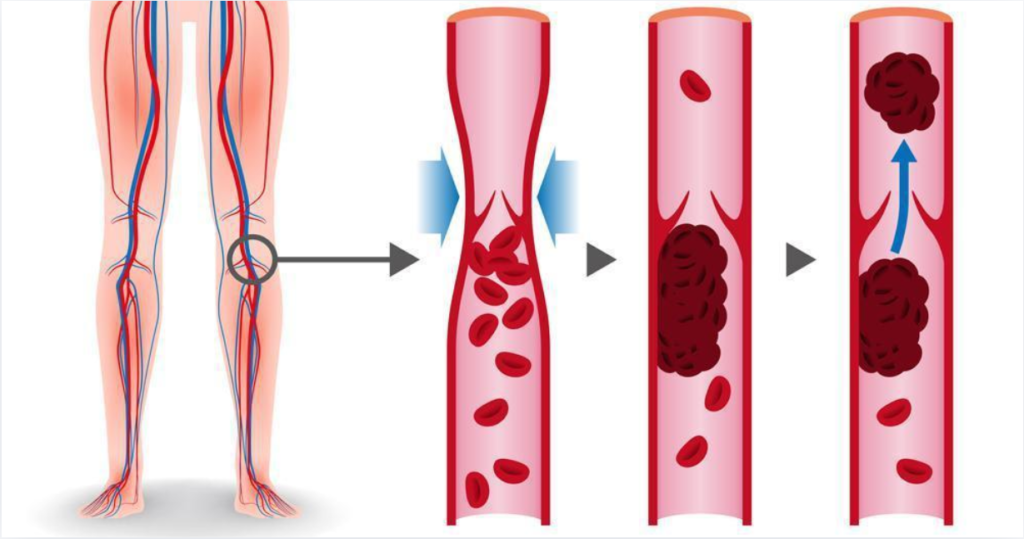
What Is Deep Vein Thrombosis?
DVT occurs when a clot (thrombus) forms in a deep vein, usually in the lower limbs.
Why it matters
- Can obstruct venous blood flow
- May lead to chronic venous insufficiency
- Risk of clot migration to lungs (pulmonary embolism)
Featured Snippet: What is DVT?
DVT is the formation of a blood clot in a deep vein, usually in the legs, which can block blood flow and potentially lead to serious complications like pulmonary embolism.
Risk Factors for DVT (Virchow’s Triad)
DVT is classically explained by Virchow’s triad:
1. Venous stasis (slow blood flow)
- Prolonged immobility (long flights, bed rest)
- Post-surgery recovery
- Paralysis
2. Endothelial injury (vessel damage)
- Surgery or trauma
- Catheter insertion
- Inflammation
3. Hypercoagulability (increased clotting tendency)
- Cancer
- Pregnancy
- Oral contraceptives
- Genetic clotting disorders
Key Symptoms of DVT
Symptoms may vary or be subtle.
Common signs
- Unilateral leg swelling
- Pain or tenderness (often calf pain)
- Warmth in affected area
- Red or discolored skin
Important note
Some patients may be asymptomatic, making clinical suspicion crucial.
Featured Snippet: What are the symptoms of DVT?
Symptoms of DVT include leg swelling, pain or tenderness, warmth, redness, and sometimes no symptoms at all, especially in early or mild cases.
Diagnosis of DVT
Accurate diagnosis combines clinical assessment and imaging.
1. Clinical probability scoring (Wells score)
Used to estimate likelihood based on symptoms and risk factors.
2. D-dimer test
- Measures clot breakdown products
- Useful for ruling out DVT in low-risk patients
3. Compression ultrasound (gold standard)
- Detects vein compressibility
- Most commonly used imaging test
4. Venography (rarely used now)
- Contrast imaging of veins
- More invasive
Featured Snippet: How is DVT diagnosed?
DVT is diagnosed using clinical scoring systems like Wells criteria, D-dimer blood tests, and confirmed with compression ultrasound, which is the gold standard imaging method.
Complications of DVT
1. Pulmonary embolism (most dangerous)
- Clot travels to lungs
- Can cause sudden shortness of breath or chest pain
- Medical emergency
2. Post-thrombotic syndrome
- Chronic leg pain
- Swelling
- Skin changes
3. Recurrent thrombosis
- Higher risk after initial episode
Management of DVT
Treatment aims to prevent clot extension and embolism.
1. Anticoagulation therapy
Main treatment approach:
- Heparin (initial phase)
- Direct oral anticoagulants (DOACs)
- Warfarin (in some cases)
2. Compression therapy
- Elastic stockings
- Reduces swelling
- Prevents long-term complications
3. Mobilization
- Early movement encouraged once treated
- Improves circulation
4. Thrombolysis (severe cases)
- Used in life-threatening or extensive DVT
- Dissolves clot
Featured Snippet: How is DVT treated?
DVT is treated primarily with anticoagulant medications to prevent clot growth, along with compression therapy and early mobilization; severe cases may require thrombolysis.
Prevention of DVT
1. Movement and activity
- Avoid prolonged sitting
- Walk during long travel
2. Hydration
- Helps maintain blood flow
3. Compression stockings
- Useful in high-risk individuals
4. Medical prevention
- Anticoagulants for high-risk patients (post-surgery, hospitalization)
5. Lifestyle modifications
- Maintain healthy weight
- Stop smoking
- Regular exercise
When to Seek Urgent Care
Seek immediate medical attention if you experience:
- Sudden shortness of breath
- Chest pain
- Coughing blood
- Severe leg swelling with pain
These may indicate pulmonary embolism.
Internal Linking Opportunities
This topic connects well with:
- Pulmonary embolism and respiratory emergencies
- Coagulation and hemostasis physiology
- Cardiovascular disease prevention
- Post-surgical complications
- Circulatory system disorders
Conclusion
Deep Vein Thrombosis (DVT) is a serious but preventable condition involving blood clot formation in deep veins, most often in the legs. Early recognition of symptoms, proper risk assessment, and timely treatment with anticoagulation are key to preventing life-threatening complications like pulmonary embolism.
With awareness, preventive strategies, and prompt medical care, the risks associated with DVT can be significantly reduced.
Important Disclaimer: This article is for educational purposes only and should not replace professional medical advice. If you suspect DVT or related symptoms, seek immediate evaluation from a healthcare professional.