Meta Description: Learn about hypertensive emergency, its warning signs, symptoms, complications, and urgent management strategies to prevent organ damage and save lives.
A Hypertensive emergency is a life-threatening condition where blood pressure rises to dangerously high levels and causes acute damage to vital organs such as the brain, heart, kidneys, or eyes. Unlike uncomplicated high blood pressure, this situation requires immediate medical intervention.
Understanding the critical signs, symptoms, and management of hypertensive emergency is essential because delays in treatment can lead to stroke, heart failure, or death.
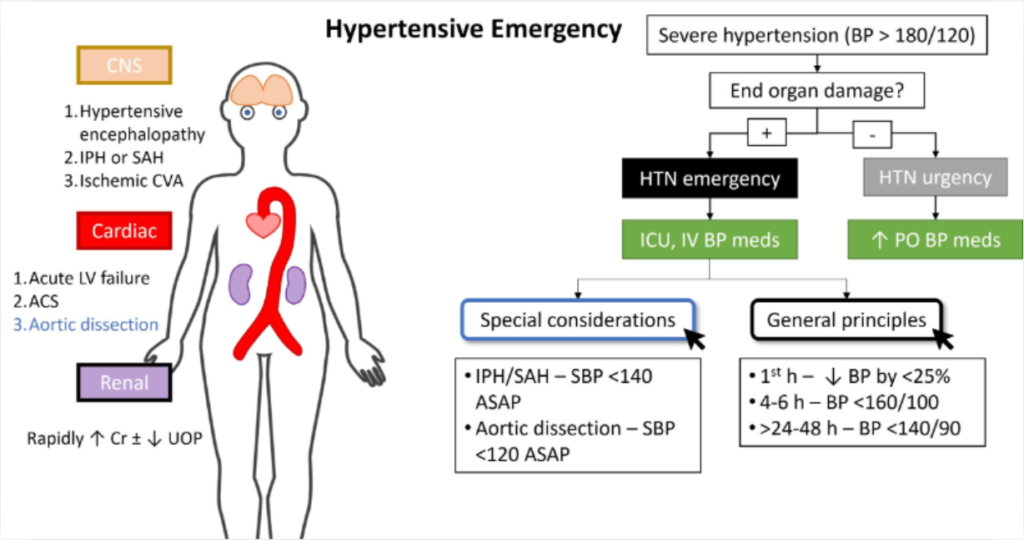
What Is a Hypertensive Emergency?
A hypertensive emergency is typically defined as:
- Severe elevation in blood pressure (often ≥180/120 mmHg)
- Evidence of acute target-organ damage
Organs commonly affected
- Brain (stroke, encephalopathy)
- Heart (acute heart failure, ischemia)
- Kidneys (acute kidney injury)
- Eyes (retinal damage)
Featured Snippet: What is a hypertensive emergency?
A hypertensive emergency is a severe increase in blood pressure accompanied by acute organ damage, requiring immediate hospitalization and controlled blood pressure reduction.
Critical Warning Signs and Symptoms
Symptoms depend on which organs are affected.
1. Neurological symptoms (brain involvement)
- Severe headache
- Confusion or altered mental status
- Seizures
- Visual disturbances
- Stroke symptoms (weakness, speech difficulty)
2. Cardiovascular symptoms (heart involvement)
- Chest pain
- Shortness of breath
- Signs of heart failure
- Rapid or irregular heartbeat
3. Renal symptoms (kidney involvement)
- Reduced urine output
- Fluid retention
- Elevated creatinine levels
4. Eye-related symptoms
- Blurred vision
- Vision loss in severe cases
- Retinal hemorrhages (detected on exam)
Featured Snippet: What are symptoms of hypertensive emergency?
Symptoms include severe headache, chest pain, shortness of breath, confusion, vision changes, seizures, and signs of organ failure such as reduced urine output or neurological deficits.
Why Hypertensive Emergency Happens
1. Uncontrolled chronic hypertension
- Long-term untreated high blood pressure
- Poor medication adherence
2. Sudden triggers
- Stroke
- Kidney disease
- Drug use (e.g., stimulants like cocaine)
3. Pregnancy-related conditions
- Pre-eclampsia or eclampsia
4. Medication withdrawal
- Abrupt stopping of antihypertensive drugs
Pathophysiology (What happens in the body)
Step 1: Sudden BP spike
- Extreme vascular pressure increase
Step 2: Blood vessel damage
- Endothelial injury
- Leakage and inflammation
Step 3: Organ ischemia
- Reduced oxygen supply to tissues
Step 4: Organ failure risk
- Brain swelling
- Heart overload
- Kidney dysfunction
Diagnosis of Hypertensive Emergency
1. Blood pressure measurement
- Severely elevated readings
2. Clinical evaluation
- Symptoms of organ damage
3. Laboratory tests
- Kidney function tests
- Cardiac enzymes
- Urinalysis
4. Imaging studies
- CT brain (stroke evaluation)
- Chest X-ray (heart failure)
- ECG (cardiac strain)
Featured Snippet: How is hypertensive emergency diagnosed?
It is diagnosed through very high blood pressure readings combined with evidence of acute organ damage confirmed by clinical assessment, lab tests, and imaging studies.
Emergency Management
Hypertensive emergency is a medical crisis requiring hospital care.
1. Controlled blood pressure reduction
- Intravenous antihypertensive medications
- Gradual lowering to avoid organ hypoperfusion
2. Continuous monitoring
- ICU or emergency setting
- Frequent BP checks
3. Treat underlying cause
- Stroke management
- Heart failure treatment
- Kidney support
4. Supportive care
- Oxygen therapy if needed
- Fluid balance management
Featured Snippet: How is hypertensive emergency treated?
Hypertensive emergency is treated in a hospital using intravenous blood pressure medications, careful monitoring, and management of organ damage to safely reduce blood pressure.
Complications if Untreated
1. Stroke
- Brain hemorrhage or ischemia
2. Heart failure or myocardial infarction
- Severe cardiac stress
3. Kidney failure
- Acute renal impairment
4. Vision loss
- Retinal damage
Prevention Strategies
1. Long-term blood pressure control
- Regular medication adherence
- Routine monitoring
2. Lifestyle modifications
- Low-sodium diet
- Regular exercise
- Weight management
3. Avoid triggers
- Limit alcohol
- Avoid stimulant drugs
- Manage stress
4. Regular medical follow-up
- Especially for high-risk patients
When to Seek Immediate Help
Call emergency services if you experience:
- Sudden severe headache
- Chest pain
- Shortness of breath
- Confusion or weakness
- Vision changes
Internal Linking Opportunities
This topic connects well with:
- Chronic hypertension management
- Stroke and neurological emergencies
- Heart failure and cardiovascular disease
- Kidney function and renal failure
- Emergency medicine protocols
Conclusion
A hypertensive emergency is a critical medical condition where extremely high blood pressure causes immediate damage to vital organs. Rapid recognition of symptoms such as severe headache, chest pain, confusion, or vision changes is essential for survival.
With prompt hospital treatment, careful blood pressure control, and management of underlying causes, serious complications can be reduced significantly. Long-term prevention through consistent blood pressure control remains the most effective strategy.
Important Disclaimer: This article is for educational purposes only and should not replace professional medical advice. If you suspect a hypertensive emergency, seek immediate emergency care.