Meta Description: Learn about diabetic ketoacidosis (DKA), its warning signs, causes, diagnosis, and emergency treatment. Understand why DKA is a life-threatening complication of diabetes.
Diabetic ketoacidosis (DKA) is one of the most serious acute complications of diabetes. It develops when the body cannot use glucose for energy due to a lack of insulin, forcing it to break down fat instead and producing acidic compounds called ketones.
Because it can progress rapidly and become life-threatening, understanding diabetic ketoacidosis (DKA) is essential for early recognition and emergency response.
In this guide, you’ll learn the key warning signs, what causes DKA, how it is diagnosed, and how it is treated in emergency settings.
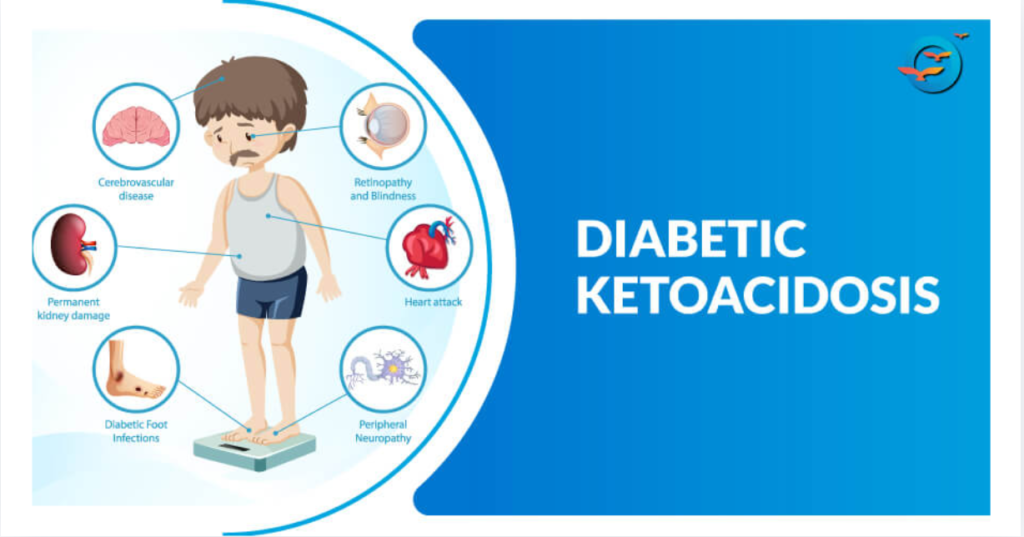
What Is Diabetic Ketoacidosis (DKA)?
DKA is a medical emergency caused by severe insulin deficiency, leading to high blood sugar and the buildup of ketones in the blood.
What happens in DKA?
- Glucose cannot enter cells
- Body breaks down fat for energy
- Ketones accumulate in the blood
- Blood becomes acidic (metabolic acidosis)
Who is at risk?
DKA is most common in:
- People with type 1 diabetes
- Sometimes in advanced type 2 diabetes
- Newly diagnosed diabetes cases
Featured Snippet: What is diabetic ketoacidosis?
Diabetic ketoacidosis is a life-threatening complication of diabetes where lack of insulin causes high blood sugar and ketone buildup, leading to dangerous blood acidity and dehydration.
Key Signs and Symptoms of DKA
Early recognition is critical for survival.
1. High blood sugar symptoms
- Extreme thirst
- Frequent urination
- Dry mouth
2. Gastrointestinal symptoms
- Nausea
- Vomiting
- Abdominal pain
3. Respiratory changes
- Deep, rapid breathing (Kussmaul breathing)
- Shortness of breath
4. Ketone-related signs
- Fruity or acetone-like breath odor
- Fatigue and weakness
5. Neurological symptoms
- Confusion
- Drowsiness
- Loss of consciousness (severe cases)
Featured Snippet: What are early signs of DKA?
Early signs of diabetic ketoacidosis include excessive thirst, frequent urination, nausea, vomiting, abdominal pain, fruity breath odor, and rapid breathing.
Causes of Diabetic Ketoacidosis
DKA usually occurs when insulin levels are too low.
1. Missed insulin doses
- Most common trigger in type 1 diabetes
2. Infection or illness
- Pneumonia
- Urinary tract infections
- Fever increases insulin demand
3. Newly diagnosed diabetes
- DKA may be the first presentation
4. Physical or emotional stress
- Surgery
- Trauma
- Severe psychological stress
5. Poor diabetes management
- Inadequate insulin therapy
- Lack of monitoring
How DKA Develops in the Body
Step 1: Insulin deficiency
Glucose cannot enter cells.
Step 2: Fat breakdown
The body uses fat for energy.
Step 3: Ketone production
Ketones accumulate in the bloodstream.
Step 4: Acidosis and dehydration
Blood becomes acidic, and severe fluid loss occurs.
Featured Snippet: What causes diabetic ketoacidosis?
Diabetic ketoacidosis is caused by severe insulin deficiency, often due to missed insulin doses, infection, new-onset diabetes, or physical stress, leading to ketone buildup and high blood sugar.
Diagnosis of DKA
Doctors use clinical and laboratory tests to confirm DKA.
1. Blood glucose test
- Usually very high (>250 mg/dL)
2. Ketone testing
- Blood or urine ketones elevated
3. Blood gas analysis
- Shows metabolic acidosis (low pH)
4. Electrolyte panel
- Detects sodium, potassium imbalances
Emergency Management of DKA
DKA requires immediate hospital treatment.
1. Fluid replacement
- Intravenous fluids
- Restores hydration and circulation
2. Insulin therapy
- Continuous IV insulin
- Lowers blood glucose and stops ketone production
3. Electrolyte correction
- Potassium replacement is critical
- Prevents heart rhythm problems
4. Monitoring and supportive care
- Frequent glucose checks
- Vital sign monitoring
- Treatment of underlying cause
Featured Snippet: How is diabetic ketoacidosis treated?
Diabetic ketoacidosis is treated in emergency settings using IV fluids, insulin therapy, and electrolyte replacement to correct dehydration, lower blood sugar, and stop ketone production.
Complications of Untreated DKA
Without treatment, DKA can lead to:
- Cerebral edema (brain swelling)
- Kidney failure
- Cardiac arrhythmias
- Coma
- Death
Prevention of DKA
1. Regular glucose monitoring
- Check blood sugar frequently
- Use continuous glucose monitoring if available
2. Proper insulin use
- Never skip doses
- Adjust during illness (with medical guidance)
3. Sick-day management
- Monitor ketones when ill
- Stay hydrated
- Seek early medical advice
4. Education and awareness
- Recognize early symptoms
- Have an emergency plan
Internal Linking Opportunities
This topic connects well with:
- Diabetes management and complications
- Blood glucose regulation
- Endocrine system disorders
- Metabolic acidosis conditions
- Emergency medical care guidelines
Conclusion
Diabetic ketoacidosis (DKA) is a dangerous and rapidly progressing complication of diabetes that requires immediate medical attention. It develops when insulin levels drop severely, leading to high blood sugar, ketone buildup, and life-threatening acidosis.
Recognizing early warning signs—such as excessive thirst, vomiting, fruity breath, and rapid breathing—can save lives. With prompt treatment involving fluids, insulin, and electrolyte correction, most patients recover fully.
Awareness, proper diabetes management, and early intervention are the most powerful tools in preventing this serious emergency.