Meta Description: Learn migraine management strategies, common triggers, symptoms, and effective ways to control migraines through lifestyle changes and medical treatment options.
Migraines are more than just headaches—they are complex neurological episodes that can significantly affect daily life. For many people, they come with intense pain, nausea, light sensitivity, and even visual disturbances.
Effective migraine management starts with understanding what triggers attacks and how to reduce both their frequency and severity. While migraines cannot always be completely cured, they can often be well controlled with the right combination of lifestyle strategies and medical care.
In this guide, we’ll explore migraine triggers, symptoms, and proven methods to help you regain control and reduce the burden of this condition.
What Is a Migraine?
A migraine is a neurological disorder characterized by recurrent episodes of moderate to severe headache, often affecting one side of the head.
Key features of migraines
- Throbbing or pulsating pain
- Sensitivity to light and sound
- Nausea or vomiting
- Visual disturbances (aura in some cases)
Phases of a migraine attack
- Prodrome (early warning signs)
- Aura (in some individuals)
- Headache phase
- Postdrome (recovery phase)
Featured Snippet: What is migraine management?
Migraine management refers to strategies used to prevent, reduce, and treat migraine attacks, including identifying triggers, lifestyle changes, and medications to control symptoms and improve quality of life.
Common Migraine Triggers
Understanding triggers is one of the most important steps in migraine management.
1. Dietary triggers
Certain foods can provoke migraines:
- Processed meats (nitrates)
- Aged cheeses
- Chocolate
- Alcohol (especially red wine)
- Caffeine overuse or withdrawal
2. Hormonal changes
- Menstrual cycle fluctuations
- Pregnancy
- Hormonal medications
3. Environmental factors
- Bright or flashing lights
- Strong smells
- Weather changes
- High humidity or heat
4. Lifestyle triggers
- Lack of sleep
- Stress and anxiety
- Irregular meals
- Dehydration
5. Medical factors
- High blood pressure
- Sinus issues
- Neurological sensitivity
How Migraines Develop
Step 1: Brain sensitivity increases
The nervous system becomes more reactive.
Step 2: Trigger exposure
External or internal triggers activate the migraine pathway.
Step 3: Blood vessel changes
Inflammation and vascular changes occur in the brain.
Step 4: Pain signaling
Pain pathways are activated, leading to headache and symptoms.
Featured Snippet: What causes migraines?
Migraines are caused by abnormal brain activity affecting nerve signals, blood vessels, and chemical balance, often triggered by stress, hormones, food, or environmental factors.
Effective Migraine Management Strategies
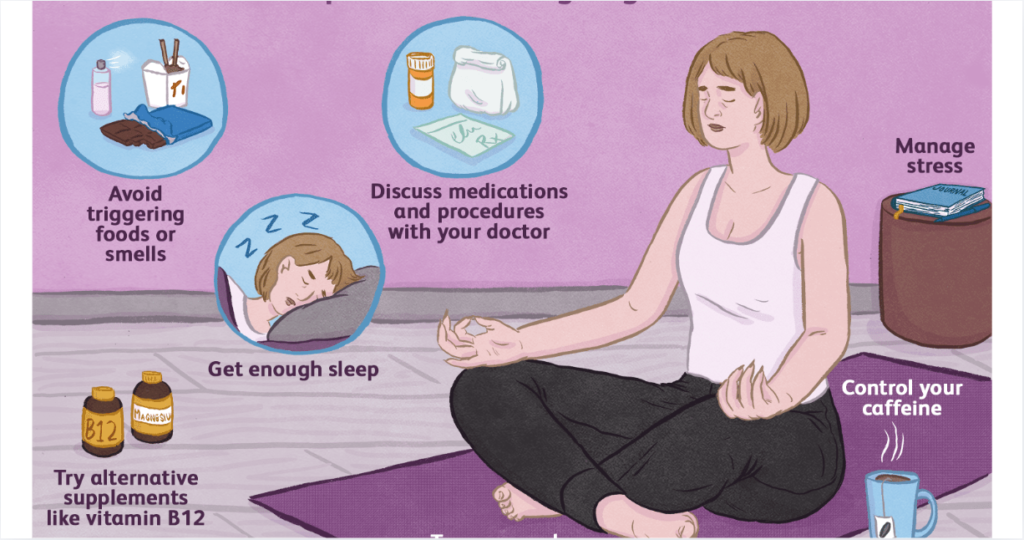
1. Lifestyle adjustments
Small daily changes can reduce attack frequency.
Key habits:
- Maintain regular sleep schedule
- Stay hydrated
- Eat balanced meals on time
- Exercise moderately
2. Stress management
Stress is one of the most common triggers.
Techniques include:
- Deep breathing exercises
- Meditation
- Yoga
- Relaxation therapy
3. Dietary management
- Identify and avoid trigger foods
- Keep a migraine diary
- Maintain stable blood sugar levels
4. Environmental control
- Reduce screen brightness
- Avoid strong odors
- Use sunglasses in bright light
Medical Treatment Options
1. Acute medications (during attacks)
- Pain relievers (NSAIDs)
- Triptans
- Anti-nausea medications
2. Preventive medications
Used when migraines are frequent:
- Beta-blockers
- Antidepressants (low dose)
- Anti-seizure medications
3. Newer therapies
- CGRP inhibitors (target migraine pathways)
- Neuromodulation devices
Featured Snippet: How can migraines be treated?
Migraines can be treated using pain-relief medications during attacks, preventive drugs for frequent migraines, and lifestyle changes to reduce triggers and improve long-term control.
Natural and Supportive Approaches
1. Magnesium supplementation
- May reduce frequency in some individuals
- Supports nerve function
2. Herbal options
- Peppermint oil (topical relief)
- Ginger (nausea reduction)
3. Hydration therapy
- Prevents dehydration-related headaches
4. Regular physical activity
- Improves blood flow
- Reduces stress levels
Building a Migraine Action Plan
Step 1: Identify triggers
Keep a migraine diary tracking:
- Food intake
- Sleep patterns
- Stress levels
Step 2: Early intervention
Treat symptoms early to reduce severity.
Step 3: Preventive care
Follow long-term lifestyle and medical strategies.
Step 4: Regular medical follow-up
Adjust treatment as needed with a healthcare provider.
Internal Linking Opportunities
This topic connects well with:
- Neurological disorders and brain health
- Stress and mental health management
- Sleep disorders and fatigue
- Pain management strategies
- Hormonal health and migraines
Conclusion
Migraine management is a combination of understanding your triggers, making lifestyle adjustments, and using appropriate medical treatments when needed. While migraines can be disruptive, they are often manageable with a consistent and personalized approach.
By identifying what causes your attacks and applying preventive strategies such as stress control, dietary awareness, and proper sleep, you can significantly reduce their impact.
With the right plan, migraines don’t have to control your life—you can take control of them and improve your overall well-being.