Meta Description: Discover what ant-like tingling in your legs means, possible causes like nerve pressure, circulation issues, and when to seek medical advice for better health awareness.
Have you ever felt a strange “pins and needles” or ant-like tingling crawling through your legs? It can appear suddenly when you sit too long, cross your legs, or even lie in bed—and then fade just as quickly. While this sensation is often harmless, it can also be your body’s way of sending an important message about your nerves, circulation, or overall health.
Understanding this feeling helps you stay aware of what your body needs. In some cases, it simply means you need to move. In others, it may point to nutrient deficiencies, nerve irritation, or underlying health conditions that deserve attention. In this guide, you’ll discover what causes ant-like tingling in your legs, how to relieve it, and when it’s time to take it seriously.
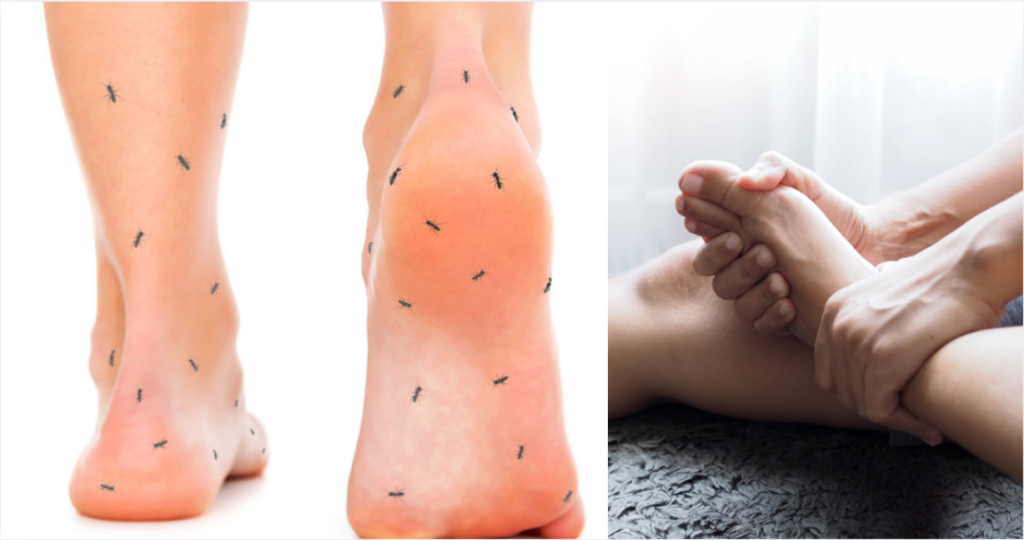
Understanding Ant-Like Tingling in the Legs
The medical term for ant-like tingling is paresthesia, a sensation that includes tingling, prickling, numbness, or “electric shock” feelings without an external trigger.
What does it actually feel like?
You may experience:
- Pins and needles sensation
- Light burning or crawling feeling
- Temporary numbness in the legs or feet
- A “vibrating” or buzzing sensation
It can affect one leg or both and may last from seconds to minutes—or longer if an underlying issue is involved.
Why your body creates this sensation
Your nerves act like communication cables between your brain and body. When they are:
- Compressed
- Irritated
- Poorly supplied with blood
They send mixed signals, creating the tingling sensation you feel.
Common Causes of Ant-Like Tingling in Your Legs
Most cases are harmless and linked to daily habits. However, understanding the root causes helps you respond appropriately.
1. Poor circulation and prolonged sitting
One of the most common causes is reduced blood flow due to inactivity.
Typical situations include:
- Sitting for long hours at a desk
- Crossing your legs too tightly
- Sleeping in one position too long
When blood flow slows down, nerves become temporarily “starved” of oxygen and nutrients, causing tingling.
2. Nerve compression or irritation
Pressure on nerves can disrupt normal signaling.
Examples include:
- Sciatic nerve irritation from the lower back
- Herniated or slipped discs
- Tight clothing or prolonged pressure on the legs
This type of tingling may radiate from the back down to the feet.
3. Vitamin and mineral deficiencies
Your nerves rely heavily on nutrients to function properly.
Deficiencies linked to tingling include:
- Vitamin B12 (nerve health and repair)
- Vitamin B6 (nerve signaling balance)
- Magnesium (muscle and nerve relaxation)
Low levels may cause recurring or chronic tingling sensations.
4. Diabetes and nerve sensitivity
High blood sugar levels can damage small nerves over time, a condition called peripheral neuropathy.
Symptoms may include:
- Persistent tingling
- Burning sensations in feet or legs
- Numbness that worsens at night
5. Stress, anxiety, and hyperventilation
Stress doesn’t just affect your mind—it affects your nervous system too.
During anxiety episodes:
- Breathing may become rapid
- Muscle tension increases
- Nerve sensitivity rises
This can trigger temporary tingling sensations in the legs or other body parts.
Featured Snippet: What causes ant-like tingling in the legs?
Ant-like tingling in the legs is usually caused by temporary nerve compression or reduced blood circulation, such as sitting too long or crossing the legs. It can also result from vitamin deficiencies, stress, or medical conditions like diabetes or nerve disorders. Most cases are harmless and temporary, but persistent symptoms should be evaluated by a healthcare professional.
Simple Ways to Relieve Tingling in Your Legs
The good news is that mild tingling is often easy to improve with lifestyle adjustments.
1. Move your body regularly
- Stand up every 30–60 minutes
- Stretch your legs and lower back
- Take short walking breaks
2. Improve posture habits
- Avoid crossing legs for long periods
- Sit with feet flat on the ground
- Use ergonomic chairs when possible
3. Support nerve health through nutrition
Eat foods rich in:
- Vitamin B12 (eggs, fish, dairy)
- Magnesium (nuts, spinach, seeds)
- Omega-3 fatty acids (salmon, flaxseeds)
4. Stay hydrated
Dehydration can reduce circulation efficiency and worsen tingling sensations.
Advanced Strategies for Better Nerve and Circulation Health
If you want long-term improvement, consistency matters more than quick fixes.
1. Gentle daily exercise
Activities that improve blood flow include:
- Walking
- Yoga
- Swimming
- Light cycling
2. Nerve-friendly habits
- Avoid tight footwear
- Stretch after long sitting periods
- Maintain healthy body weight
3. Stress reduction techniques
Calming the nervous system can reduce tingling episodes:
- Deep breathing exercises
- Meditation
- Progressive muscle relaxation
Common Mistakes to Avoid
Ignoring recurring symptoms
Occasional tingling is normal, but frequent episodes should not be overlooked.
Relying only on short-term relief
Stretching helps, but long-term habits matter more.
Self-diagnosing serious conditions
Persistent tingling may require medical evaluation to rule out nerve or metabolic disorders.
When You Should Seek Medical Advice
You should consult a healthcare professional if you notice:
- Tingling that lasts for days or worsens
- Muscle weakness or loss of balance
- Severe back pain with leg symptoms
- Numbness spreading beyond the legs
Early diagnosis can prevent complications and ensure proper treatment.
Conclusion
Ant-like tingling in your legs is often your body’s way of signaling temporary nerve pressure or reduced circulation. In many cases, it’s harmless and easily relieved with movement, better posture, and improved nutrition.
However, when symptoms become frequent or persistent, they may indicate deeper issues that deserve medical attention. Listening to your body is key—small signals today can help protect your long-term nerve and circulation health.
Stay active, stay aware, and take care of your body one step at a time.