Meta Description: Learn how natural and unnatural rewards impact dopamine, the brain’s key pleasure chemical, and discover strategies to maintain balanced motivation.
Dopamine is the brain’s master regulator of motivation, pleasure, and reward. It drives everything from the joy of savoring your favorite meal to the thrill of achieving a personal goal. But in today’s fast-paced world, not all dopamine triggers are created equal. Understanding the difference between natural and unnatural rewards is key to maintaining balanced motivation, emotional health, and long-term well-being.
In this article, you’ll explore the science of dopamine, identify which habits and stimuli boost it naturally, and uncover the risks of overstimulation from artificial rewards. By applying these insights, you can cultivate a healthier, more sustainable dopamine system that empowers focus, productivity, and emotional resilience.
Section 1: Foundation/Getting Started
Before diving into strategies, it’s important to understand what dopamine is, how it works, and why balance matters.
H3: What Is Dopamine?
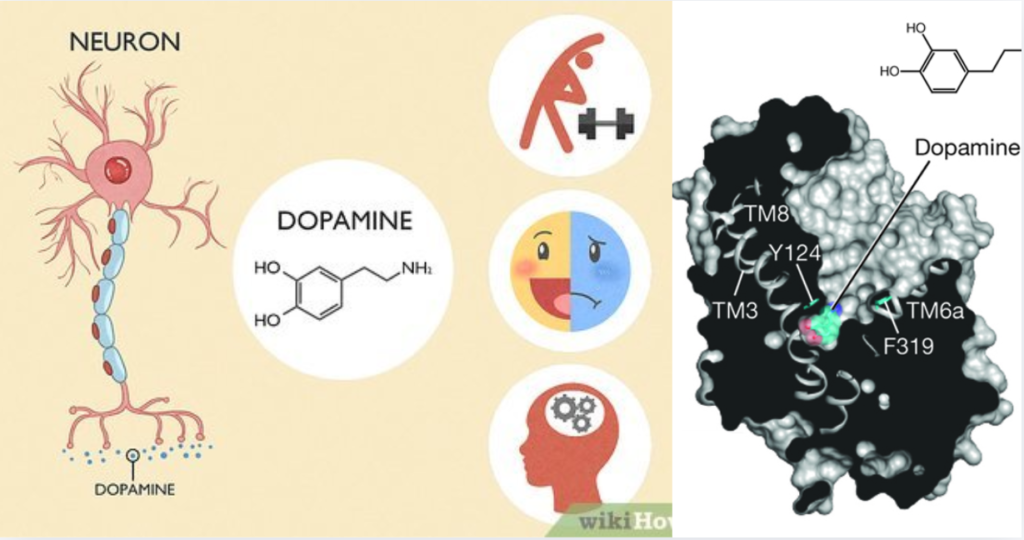
Dopamine is a neurotransmitter—a chemical messenger in the brain—that regulates reward, pleasure, motivation, and learning. It signals to your brain that something is enjoyable or important, encouraging repeated behaviors.
- Motivation: Drives goal-directed actions
- Pleasure: Enhances enjoyment from experiences
- Learning: Strengthens habits and memory formation
H3: Natural vs. Unnatural Rewards
- Natural rewards include food, exercise, social connection, achievement, and creative pursuits. These activities trigger dopamine in a gradual, sustainable way.
- Unnatural rewards include highly processed foods, drugs, excessive social media, or gambling. These spikes are often intense but short-lived, leading to potential dependence or decreased sensitivity over time.
H3: Why Balance Matters
Too little dopamine can result in apathy, low motivation, and difficulty concentrating. Too much, especially from unnatural rewards, can desensitize the system, requiring higher stimulation for the same pleasure. Understanding balance helps prevent burnout and addictive behaviors.
Section 2: Step-by-Step Process/Core Methods
Creating a balanced dopamine system involves integrating natural rewards while moderating exposure to unnatural ones.
H3: Prioritizing Natural Rewards
- Exercise: Aerobic and resistance training boost dopamine naturally. Aim for 30 minutes daily.
- Nutrition: Foods rich in tyrosine, such as eggs, almonds, and leafy greens, support dopamine production.
- Achievement: Break tasks into small goals to release dopamine incrementally.
- Social Interaction: Positive connections stimulate dopamine through trust and empathy.
- Creative Activities: Music, art, or writing trigger rewarding brain pathways.
H3: Moderating Unnatural Rewards
- Limit processed sugar and caffeine spikes.
- Set boundaries on social media or gaming sessions.
- Recognize compulsive patterns and replace them with natural alternatives.
H3: Timing and Consistency
Balance is best achieved through routine. Daily exposure to natural rewards, combined with mindful reduction of artificial stimuli, helps your brain maintain sensitivity to dopamine over time.
Section 3: Advanced Strategies/Pro Tips
H3: Enhance Dopamine Sensitivity
- Intermittent Fasting or Structured Eating: Can increase dopamine receptor sensitivity.
- Mindfulness Meditation: Enhances reward awareness and reduces overstimulation from external sources.
- Cold Showers or Moderate Stress Exposure: Controlled challenges can stimulate dopamine naturally.
H3: Customize Your Reward System
- Track which activities make you feel motivated and satisfied.
- Schedule high-dopamine tasks strategically throughout the day for peak focus.
- Rotate reward types to prevent desensitization.
H3: Integrating Biohacks Safely
- Supplements like L-tyrosine may support dopamine production but should be used cautiously and preferably under professional guidance.
- Sleep is crucial: 7–9 hours supports dopamine receptor function and overall cognitive health.
Section 4: Troubleshooting/Common Challenges
H3: Feeling Burned Out
- Solution: Reduce artificial stimulation and focus on slow, consistent natural rewards.
H3: Difficulty Achieving Motivation
- Solution: Break goals into micro-tasks to trigger smaller dopamine releases.
- Pair challenging tasks with enjoyable activities for reinforcement.
H3: Addiction or Overreliance on Unnatural Rewards
- Solution: Replace high-intensity spikes with natural alternatives, seek professional support if necessary.
- Consider dopamine detox periods to reset sensitivity.
H3: Mood Fluctuations
- Solution: Combine consistent exercise, sleep hygiene, and mindful social interactions to stabilize dopamine levels.
Section 5: Maximizing Results/Next Level Tips
H3: Long-Term Dopamine Balance
- Incorporate weekly reflection to monitor your habits and dopamine triggers.
- Maintain variety in rewarding activities to prevent habituation.
- Encourage self-reinforcement without overreliance on external artificial rewards.
H3: Complementary Strategies
- Engage in cognitive challenges like puzzles or learning new skills to naturally stimulate dopamine pathways.
- Combine meditation, journaling, and nature exposure to support brain health holistically.
H3: Sustaining Motivation and Focus
- Develop a reward schedule that prioritizes natural rewards for accomplishments.
- Limit exposure to high-intensity unnatural stimuli during focus periods.
Conclusion
Understanding the balance between natural and unnatural rewards is key to maintaining a healthy dopamine system. By prioritizing natural sources of motivation and pleasure, you can enhance focus, productivity, and emotional well-being while avoiding the pitfalls of overstimulation. Incorporate exercise, social connection, nutrition, and creative pursuits into your daily routine, and monitor your exposure to artificial dopamine spikes.
With awareness and consistent practice, you can harness the power of dopamine to achieve sustained motivation, balanced emotions, and a fulfilling, goal-oriented life. Start today by identifying your primary dopamine sources and gradually optimizing your habits for a healthier, more energized brain.
Important Disclaimer: This article is for informational purposes only and should not replace professional advice. For health-related topics, consult healthcare providers. Individual results may vary, and personal circumstances should always be considered when implementing any suggestions.