Our brains are the command center of our entire being, influencing everything from memory and focus to emotional resilience and overall wellbeing. Yet, many of us engage in daily routines that unknowingly undermine cognitive function. From poor sleep habits to excessive screen time, everyday behaviors can slowly chip away at your brain health over time. Understanding these habits empowers you to make small, achievable changes that can dramatically enhance mental clarity, memory, and long-term brain resilience.
In this article, we’ll uncover everyday habits that may harm your brain health and provide practical strategies to counteract them. By identifying risk factors and adopting brain-friendly routines, you can protect your cognitive function and boost mental performance. Whether you’re a student, professional, or simply looking to age gracefully, these insights will help you unlock a healthier, sharper mind.
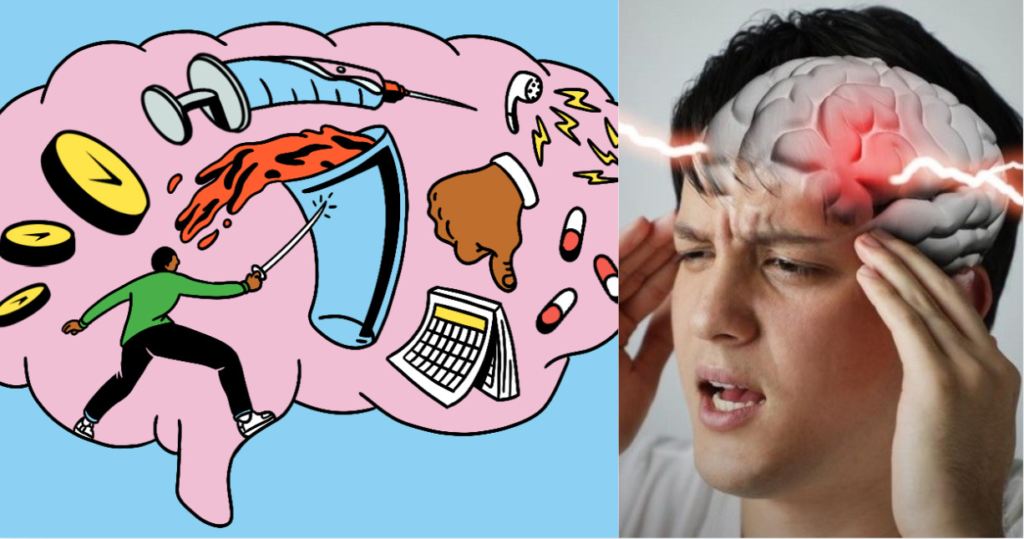
Foundation: Understanding Brain Health
Before examining harmful habits, it’s important to grasp what constitutes a healthy brain.
Key Components of Brain Health
- Neurons and Synapses: These nerve cells transmit information, forming the basis of learning and memory.
- Blood Flow and Oxygenation: Adequate circulation delivers essential nutrients and removes toxins.
- Neuroplasticity: The brain’s ability to adapt and reorganize itself is essential for learning and recovery from injury.
Maintaining these functions requires consistent care, including nutrition, physical activity, mental stimulation, and proper rest.
Why Daily Habits Matter
Everyday behaviors, even subtle ones, can influence your brain over months or years. Habits like skipping sleep or consuming excessive sugar may seem harmless in the moment but have cumulative effects on neural connections, memory retention, and emotional regulation. Recognizing these patterns is the first step toward meaningful change.
Common Everyday Habits That Harm the Brain
1. Poor Sleep Patterns
Sleep is critical for memory consolidation and toxin removal via the glymphatic system. Inadequate sleep can lead to cognitive decline, reduced attention, and increased risk of neurodegenerative diseases.
Tips to improve sleep:
- Maintain a consistent sleep schedule.
- Limit caffeine and screen exposure before bedtime.
- Create a dark, quiet sleep environment.
2. Sedentary Lifestyle
Physical activity boosts blood flow to the brain, supports neuron health, and reduces stress. Prolonged inactivity is linked to cognitive decline and decreased memory function.
Strategies to stay active:
- Take short walking breaks during work.
- Engage in aerobic exercises like swimming, cycling, or dancing.
- Include strength training to improve overall circulation and metabolism.
3. Excessive Screen Time
Extended screen use, particularly smartphones and computers, can contribute to eye strain, poor posture, and mental fatigue. Over time, this can impair attention span and memory.
Mitigation tips:
- Follow the 20-20-20 rule: every 20 minutes, look at something 20 feet away for 20 seconds.
- Schedule tech-free periods during your day.
- Prioritize real-world interactions over social media scrolling.
4. Poor Diet Choices
High sugar, processed foods, and excessive alcohol intake can increase inflammation in the brain, negatively impacting memory and cognitive performance.
Brain-boosting alternatives:
- Incorporate omega-3 fatty acids (found in fish, walnuts, and flaxseeds).
- Eat antioxidant-rich fruits and vegetables.
- Choose whole grains and lean proteins over processed snacks.
5. Chronic Stress
Persistent stress elevates cortisol levels, which can damage neurons and shrink the hippocampus, the brain region responsible for memory.
Stress management techniques:
- Practice mindfulness or meditation daily.
- Engage in hobbies and creative activities.
- Use breathing exercises to reduce tension instantly.
Advanced Strategies: Protecting and Enhancing Brain Function
1. Mental Stimulation
Challenging your brain helps strengthen synaptic connections.
- Solve puzzles, play strategy games, or learn a new skill.
- Read diverse genres and explore unfamiliar topics.
- Practice memory exercises like recalling daily events or new vocabulary.
2. Social Interaction
Maintaining strong social connections improves cognitive function and emotional resilience. Loneliness and social isolation have been linked to increased risk of dementia.
- Schedule regular meet-ups or virtual chats with friends.
- Participate in group activities, clubs, or classes.
- Volunteer to combine social engagement with purpose-driven activity.
3. Mindful Technology Use
Optimize your digital habits for brain health:
- Use apps that encourage learning rather than mindless scrolling.
- Take breaks from multitasking, which can impair focus and memory.
- Set boundaries for notifications to reduce mental overload.
Troubleshooting Common Cognitive Challenges
Even with healthy intentions, setbacks happen. Here’s how to navigate them:
Cognitive Fatigue
- Take micro-breaks every hour to refresh focus.
- Practice deep breathing to increase oxygen flow.
Difficulty Sleeping
- Keep a sleep diary to track habits affecting rest.
- Limit evening stimulants and screen exposure.
Low Motivation for Exercise
- Set realistic, incremental fitness goals.
- Pair workouts with enjoyable activities like music or podcasts.
Maximizing Brain Health for the Long Term
To truly protect your mind, consistency is key.
- Balanced Lifestyle: Combine healthy diet, regular exercise, stress management, and adequate sleep.
- Continuous Learning: Engage in lifelong learning to stimulate neuroplasticity.
- Preventive Care: Regular check-ups, monitoring blood pressure, and addressing metabolic conditions protect cognitive function.
- Mind-Body Practices: Yoga, tai chi, or meditation enhance both physical and mental well-being.
Conclusion: Take Control of Your Brain Health
Everyday habits have a profound impact on your brain’s longevity and performance. By recognizing potentially harmful behaviors—poor sleep, sedentary living, unhealthy diets, and chronic stress—you can implement actionable strategies to enhance focus, memory, and overall cognitive resilience. Small, consistent changes accumulate into long-term benefits, empowering you to maintain a sharp and healthy mind. Start today: prioritize sleep, nourish your brain with wholesome foods, stay active, and challenge your mind. Your brain’s future is shaped by the choices you make now, and every step toward mindful living strengthens it.
Important Disclaimer: This article is for informational purposes only and should not replace professional medical advice. Consult a healthcare provider for personalized guidance, especially if you have cognitive concerns or underlying medical conditions.