
Transform your gut health and boost your immunity naturally with this comprehensive guide to digestive wellness, vibrant energy, and a stronger immune system today. Have you ever felt like your body was trying to tell you something through a bloated stomach or a sudden dip in energy? You aren’t alone. Your gut is often called your “second brain,” and for good reason! It influences everything from your mood to how well you fight off the common cold.
The journey to feeling your best doesn’t require a radical overhaul overnight. By understanding the incredible ecosystem living inside you—the microbiome—you can make small, sustainable changes that lead to massive transformations. In this guide, we will explore how to nourish your digestive system, unlock hidden energy, and build a resilient immune foundation. Get ready to feel empowered, because a healthier you starts from the inside out!
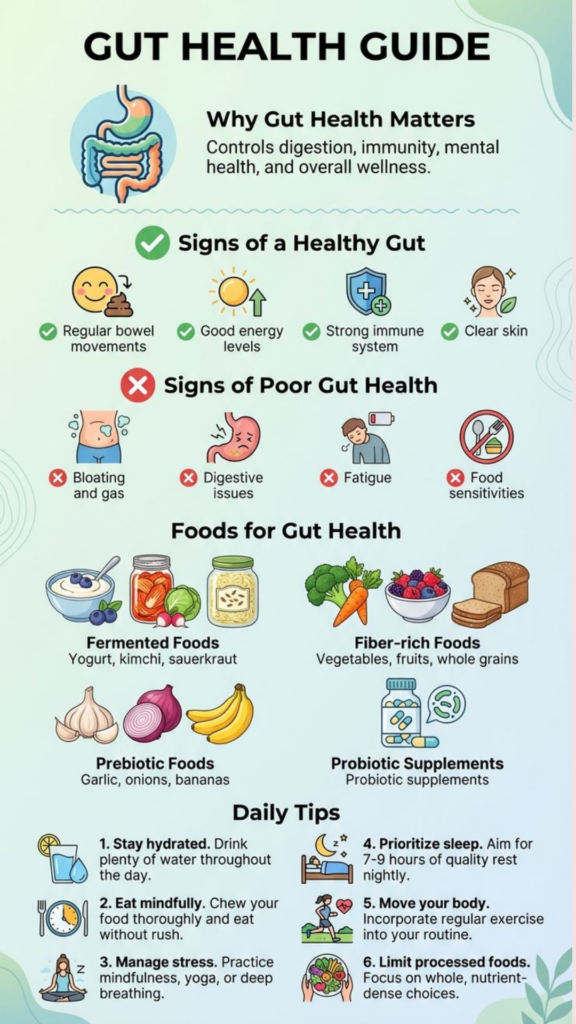
The Foundation: Understanding Your Microbiome
To transform your digestive health, you first need to meet the trillions of tiny “roommates” living in your intestinal tract. This collection of bacteria, fungi, and viruses is known as the gut microbiome. While the word “bacteria” might sound scary, most of these microbes are your best friends. They help break down food, produce essential vitamins, and act as the frontline of your immune defense.
Why Gut Health Matters for Immunity
Did you know that approximately 70-80% of your immune system is located in your gut? It’s true! Your gut lining acts as a gatekeeper, deciding what enters your bloodstream and what gets flushed away. When your microbiome is balanced, your immune cells are “trained” to recognize and fight off pathogens effectively.
Signs Your Gut Needs a Little Love
Before we dive into the solutions, it’s helpful to recognize the signals your body sends when things are out of balance. Common signs include:
- Frequent bloating or gas after meals.
- Unpredictable bathroom habits.
- Brain fog or low energy levels.
- Sugar cravings that won’t quit.
- Skin irritation or breakouts.
If you recognize these, don’t worry! These are just “check engine” lights, and with the right fuel, you can get back on track.
Step-by-Step: The Core Methods to Restore Balance
Improving your gut health is an achievable process that focuses on two main goals: removing things that irritate your system and adding things that help it thrive.
1. Focus on Fiber-Rich Whole Foods
Fiber is the ultimate “prebiotic”—essentially the food that your good bacteria eat. When you eat a variety of colorful plants, you are feeding different strains of beneficial microbes. Aim for 25–30 grams of fiber daily from sources like lentils, raspberries, broccoli, and almonds.
2. Introduce Fermented “Probiotic” Foods
Probiotics are live beneficial bacteria that you can add directly to your system. Instead of relying solely on expensive supplements, try incorporating traditional fermented foods into your daily routine.
- Yogurt or Kefir: Great for breakfast or smoothies.
- Sauerkraut or Kimchi: A tangy addition to bowls or salads.
- Miso: Perfect for a warming afternoon broth.
3. Hydrate for Smooth Digestion
Water is the lubricant of the digestive tract. It helps move fiber through your system and ensures that nutrients are absorbed efficiently. A simple rule of thumb is to drink enough water so that your urine is pale yellow. If you find plain water boring, try infusing it with cucumber or mint for a refreshing twist.
Pro Tips: Advanced Strategies for Maximum Vitality
Once you’ve mastered the basics of fiber and hydration, you can take your wellness journey to the next level with these expert-backed strategies.
Optimize the “Migrating Motor Complex”
Your gut has a “cleaning cycle” called the Migrating Motor Complex (MMC). This cycle sweeps out undigested food and bacteria between meals. To let it do its job, try to avoid constant grazing. Giving your body 3–4 hours between meals allows the MMC to function at its peak, reducing the likelihood of bacterial overgrowth and bloating.
Manage Stress to Settle Your Stomach
The “gut-brain axis” is a two-way street. When you are stressed, your body diverts blood flow away from the digestive system, which can lead to indigestion. Simple practices like taking three deep breaths before you take your first bite of food can signal to your nervous system that it is safe to “rest and digest.”
Diversify Your Plate
The healthiest guts belong to people who eat the widest variety of plants. Challenge yourself to eat 30 different types of plants a week. This sounds like a lot, but it includes herbs, spices, nuts, seeds, fruits, and vegetables. Each new plant introduces a different type of fiber to satisfy different bacterial “personalities” in your gut.
Troubleshooting: Overcoming Common Challenges
Even with the best intentions, you might hit a few bumps in the road. Here is how to handle common obstacles without losing your momentum.
“I started eating more fiber and now I’m more bloated!” This is a very common scenario! If you increase your fiber intake too quickly, your gut bacteria produce gas as they work to break it down. The solution? Low and slow. Increase your fiber by just a few grams every few days and make sure you are increasing your water intake at the same rate.
“I’m too busy to cook gut-friendly meals.” You don’t need to spend hours in the kitchen. Focus on “assembly meals.” Keep pre-washed greens, canned chickpeas, and a jar of sauerkraut in your fridge. You can throw together a high-fiber, probiotic-rich bowl in under five minutes.
“What if I have to take antibiotics?” Antibiotics are sometimes necessary, but they can be tough on your microbiome. If you must take them, focus on eating plenty of prebiotic foods (like onions and garlic) and fermented foods after your course is finished to help your good bacteria move back in and reclaim their territory.
Next Level: Maintaining Long-Term Gut Success
Building a healthy gut isn’t a 30-day challenge; it’s a lifestyle. To ensure your results last a lifetime, consider these long-term maintenance tips.
- Prioritize Sleep: Your gut microbes have a circadian rhythm just like you do. Aim for 7-9 hours of quality sleep to keep your microbiome in sync.
- Get Outside: Spending time in nature and even gardening can expose you to a wider diversity of environmental microbes, which can actually strengthen your internal ecosystem.
- Limit Highly Processed Sugars: Harmful bacteria thrive on simple sugars. You don’t have to give up treats entirely, but keeping them as occasional indulgences rather than daily staples will keep your “bad” bacteria in check.
- Movement Matters: Gentle exercise, like walking or yoga, helps stimulate the natural contractions of your intestines, keeping things moving smoothly.
Internal Linking Opportunities:
- The Connection Between Gut Health and Mental Wellness
- Top 10 Prebiotic Foods to Add to Your Grocery List
- How to Start a Fermentation Project at Home
Conclusion
Improving your digestive health is one of the most rewarding gifts you can give yourself. By focusing on whole foods, staying hydrated, and managing stress, you are doing more than just fixing a “tummy ache”—you are fortifying your immune system and unlocking a higher level of energy and clarity.
Remember, progress is better than perfection. Start with one small change today, whether it’s adding a spoonful of yogurt to your breakfast or taking a deep breath before lunch. You have the power to transform your health from the inside out. Your gut—and your future self—will thank you!
Important Disclaimer: This article is for informational purposes only and should not replace professional advice. For health-related topics, consult healthcare providers. For financial or legal matters, seek qualified professional guidance. For safety procedures, verify current best practices and local regulations. Individual results may vary, and personal circumstances should always be considered when implementing any suggestions.