Meta Description: Discover healthy sleep positions backed by science. Learn how sleeping posture affects spine alignment, breathing, digestion, and pain-free restful sleep.
Sleep is not just about how long you rest—it’s also about how you position your body while sleeping. The way you sleep can influence your spine health, breathing, digestion, and even how refreshed you feel in the morning.
Understanding healthy sleep positions can help reduce neck pain, back discomfort, snoring, and poor sleep quality. Small adjustments in posture can make a big difference in how your body recovers overnight.
In this guide, we’ll explore the science behind sleep positions, their benefits and drawbacks, and how to choose the best posture for your health needs.
Why Sleep Position Matters for Your Health
Your sleeping posture affects how your body functions during rest.
Key systems influenced by sleep position
- Spine and musculoskeletal alignment
- Breathing and airway flow
- Blood circulation
- Digestion
- Nerve pressure and pain levels
Why poor posture causes problems
Sleeping in a bad position can:
- Strain muscles and joints
- Restrict breathing
- Increase acid reflux
- Worsen snoring or sleep apnea
- Trigger morning stiffness
Featured Snippet: What are healthy sleep positions?
Healthy sleep positions are body postures during sleep that support proper spinal alignment, improve breathing, reduce pain, and promote restful, high-quality sleep.
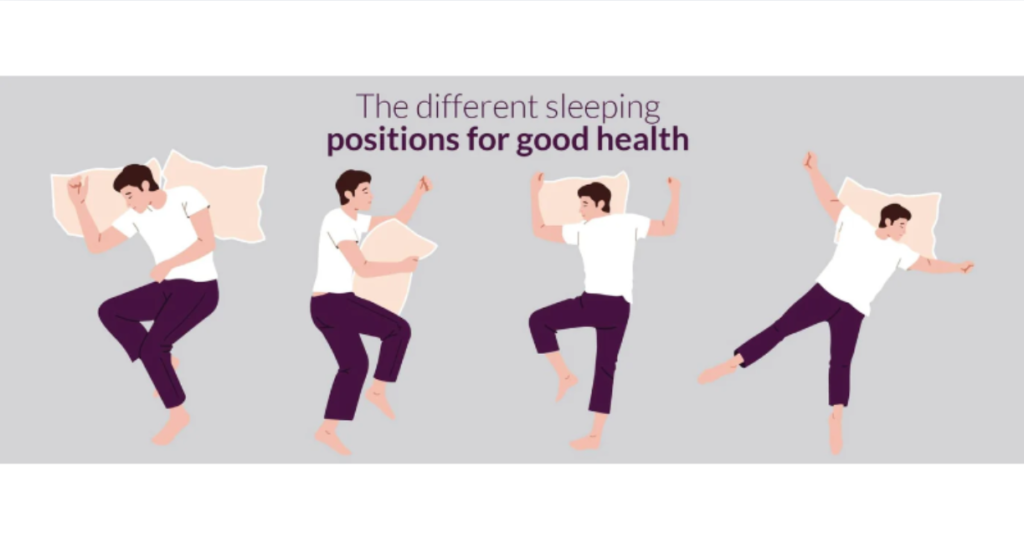
1. Sleeping on Your Back (Supine Position)
This is often considered one of the healthiest sleep positions.
Benefits
- Supports spinal alignment
- Reduces pressure on joints
- Helps prevent facial wrinkles
- Ideal for neck and back pain
Drawbacks
- May worsen snoring
- Not ideal for sleep apnea in some cases
Tips for improvement
- Use a pillow to support the neck
- Place a small pillow under the knees
2. Sleeping on Your Side (Lateral Position)
Side sleeping is one of the most common and beneficial positions.
Benefits
- Reduces snoring
- Improves digestion
- Supports brain waste clearance (especially left side)
- Relieves back pain
Left vs right side
- Left side: Better for digestion and heart health
- Right side: May worsen acid reflux in some people
Tips for better alignment
- Place a pillow between knees
- Keep spine straight
- Use a supportive head pillow
3. Fetal Position
A curled version of side sleeping.
Benefits
- Relieves lower back pain
- Helps reduce snoring
- Comforting for many people
Drawbacks
- May restrict deep breathing if too tight
- Can strain joints if overly curled
Ideal approach
- Keep posture relaxed, not overly curled
- Maintain neutral spine alignment
4. Sleeping on Your Stomach (Prone Position)
This is the least recommended sleep position.
Potential issues
- Strains neck due to head rotation
- Puts pressure on spine
- Can cause back pain
- Restricts natural breathing alignment
If you prefer this position
- Use a very thin pillow or none
- Place pillow under pelvis to reduce back strain
Featured Snippet: What is the best sleep position?
The best sleep position is generally on your back or side, as both support spinal alignment, improve breathing, and reduce pressure on joints and internal organs.
How Sleep Positions Affect Pain and Recovery
1. Back pain
- Back sleeping reduces spinal pressure
- Side sleeping helps if knees are supported
2. Neck pain
- Proper pillow height is critical
- Poor alignment worsens stiffness
3. Shoulder pain
- Side sleeping may increase pressure on one shoulder
- Switching sides helps balance strain
4. Hip pain
- Side sleeping without support may cause discomfort
- A pillow between knees helps alignment
Sleep Position and Breathing Health
1. Snoring reduction
- Side sleeping improves airway flow
- Back sleeping may worsen snoring
2. Sleep apnea considerations
- Side sleeping is often recommended
- Back sleeping may increase airway collapse
3. Oxygen flow
Proper posture helps maintain open airways for better oxygen intake.
Featured Snippet: Does sleep position affect breathing?
Yes, sleep position affects breathing. Side sleeping improves airflow and reduces snoring, while back sleeping may worsen airway obstruction in some individuals.
How to Choose the Best Sleep Position for You
Step 1: Identify your main issue
- Back pain
- Snoring
- Acid reflux
- Shoulder pain
Step 2: Test different positions
Try each position for several nights.
Step 3: Adjust pillows
Proper support is essential for comfort.
Step 4: Monitor sleep quality
Pay attention to:
- Morning pain
- Energy levels
- Sleep interruptions
Advanced Sleep Optimization Tips
1. Pillow selection
- Memory foam supports neck alignment
- Adjustable pillows improve customization
2. Mattress support
- Medium-firm mattresses support spine best
- Too soft = poor alignment
- Too hard = pressure points
3. Sleep posture training
- Place pillows to guide body position
- Gradually adapt to healthier positions
4. Evening habits
- Reduce screen exposure
- Avoid heavy meals before bed
- Maintain consistent sleep schedule
Internal Linking Opportunities
This topic connects well with:
- Sleep hygiene and circadian rhythm
- Back pain management strategies
- Digestive health and acid reflux
- Stress reduction and relaxation techniques
- Musculoskeletal alignment and posture health
Conclusion
Healthy sleep positions play a powerful role in how well your body recovers each night. Whether you sleep on your back or side, proper alignment can reduce pain, improve breathing, and support deeper, more restorative sleep.
By making small adjustments—such as using supportive pillows, maintaining spinal alignment, and choosing the right position for your needs—you can significantly improve sleep quality and overall well-being.
Better sleep starts with better posture, and your body will thank you every morning for the change.