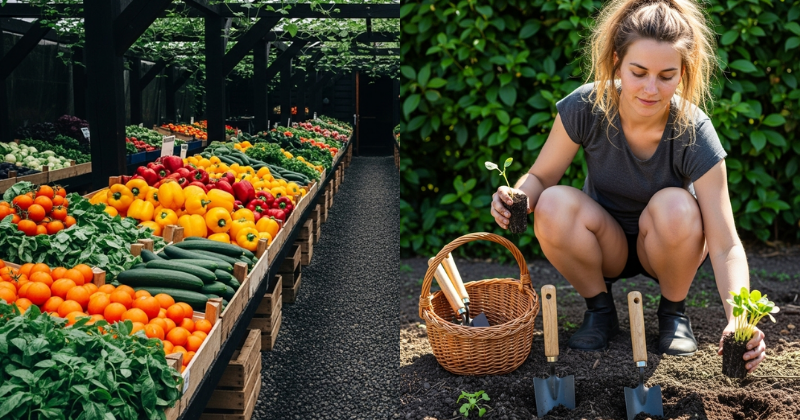
Starting a garden is more than placing seeds in soil—it’s an invitation to witness daily miracles, to become a co-creator in nature’s eternal dance. Whether you dream of harvesting sun-warmed tomatoes or watching butterflies dance among vibrant blooms, this guide will transform your gardening aspirations into living, breathing reality.
Every gardener begins with trembling hands and countless questions. Yet within you already exists the ancient knowledge of cultivation, waiting to awaken. Let’s embark on this transformative journey together, where dirt beneath your fingernails becomes a badge of honor and each sprouting seedling reflects your own growth.
Understanding Your Garden’s Soul: Foundation and Awakening
Before the first seed touches earth, you must become a student of your space. A garden is not merely a plot of land—it’s a living ecosystem waiting to reveal its secrets.
Reading the Light’s Language
Light orchestrates the garden’s symphony. Observe how sunlight travels across your chosen space throughout the day. Full sun areas (6-8 hours of direct sunlight) become stages for sun-worshipping vegetables like tomatoes, peppers, and squash. Partial shade zones (3-6 hours) whisper invitations to lettuce, spinach, and herbs. Deep shade corners might resist traditional vegetables but welcome shade-loving ferns and hostas.
Stand in your garden space at different times—morning’s gentle awakening, afternoon’s blazing crescendo, evening’s golden farewell. Notice where shadows linger, where light pools and intensifies. This solar cartography will guide every planting decision.
Soil: The Foundation of All Gardens
Soil is not mere dirt—it’s a living, breathing universe teeming with billions of microorganisms. Dig your hands deep into the earth. Does it feel sandy and loose, slipping through your fingers like time? Or does it clump heavily, clay-dense and resistant? Perhaps it crumbles perfectly, dark and rich with organic matter—the gardener’s gold.
Most garden centers offer simple soil testing kits that reveal pH levels and nutrient content. But you can learn much through observation: healthy soil smells sweet and earthy, supports vigorous weed growth, and contains visible earthworms—nature’s tireless tillers.
Climate and Seasons: Dancing with Time
Your garden exists within nature’s greater rhythms. Understanding your USDA hardiness zone unlocks knowledge about frost dates, growing seasons, and which plants will thrive versus merely survive. Spring and fall offer ideal planting windows in most regions, when temperatures moderate and rainfall increases.
Crafting Your Garden: From Vision to Verdant Reality
Choosing Your Garden Type
In-Ground Gardens connect you most intimately with the earth. They require initial effort—removing grass, amending soil, defining borders—but offer unlimited growing space and natural water retention. Begin with a modest 4×8 foot plot. This seemingly small space can yield surprising abundance while remaining manageable for beginners.
Raised Bed Gardens elevate your growing space literally and metaphorically. These contained systems offer superior drainage, warmer soil temperatures, and easier access. Build frames 6-12 inches deep using untreated wood, stone, or composite materials. Fill with a blend of topsoil, compost, and peat moss or coconut coir.
Container Gardens transform balconies, patios, and sunny windowsills into productive growing spaces. Nearly anything grows in containers—vegetables, herbs, flowers, even small fruit trees. Choose containers with drainage holes, use quality potting mix (never garden soil), and remember that container plants need more frequent watering.
Essential Tools: Extensions of Your Intention
You don’t need a shed full of equipment. Start with these essentials:
- A sturdy trowel for planting and transplanting
- Garden fork for loosening soil and mixing amendments
- Hand pruners for trimming and harvesting
- Watering can or hose with adjustable nozzle
- Garden gloves that fit well and protect
Quality tools become companions on your gardening journey. They need not be expensive, but they should feel good in your hands and withstand seasons of use.
Selecting Your First Plants: Wisdom for Beginners
Begin with plants that forgive mistakes and reward effort generously. Tomatoes reign as America’s favorite garden vegetable for good reason—their flavor when homegrown transcends anything store-bought. Lettuce and salad greens grow quickly, often ready to harvest within 30 days. Herbs like basil, cilantro, and parsley transform cooking while requiring minimal space. Zucchini produces so prolifically that you’ll soon be sharing with neighbors. Radishes mature in just 3-4 weeks, offering almost instant gratification.
Start with transplants rather than seeds for your first season. These young plants give you a head start and higher success rates. Local nurseries offer varieties suited to your specific climate.
The Art of Cultivation: Advanced Wisdom and Sacred Practices
The Water Ritual: Hydration as Meditation
Watering transcends the simple act of applying moisture. It’s a daily conversation with your plants, an opportunity to observe and respond. Most vegetables need 1-2 inches of water weekly, but this varies with temperature, soil type, and plant maturity.
Water deeply but infrequently to encourage deep root growth. Shallow, frequent watering creates dependent plants with weak root systems. Water in early morning when possible—this timing reduces evaporation and prevents fungal diseases that thrive in nighttime moisture.
Watch your plants speak through their leaves. Drooping midday in intense heat is normal; drooping at dawn signals thirst. Yellowing leaves might indicate overwatering. Each plant develops its own language.
Feeding the Soil’s Living Community
Plants consume nutrients as they grow, gradually depleting soil reserves. Replenish this fertility through compost—decomposed organic matter that feeds both plants and soil organisms. Apply a 2-3 inch layer around plants mid-season, keeping it away from stems.
Organic fertilizers release nutrients slowly as soil microbes break them down. Synthetic fertilizers work faster but can harm beneficial soil life with overuse. For beginners, a balanced organic fertilizer (numbers like 5-5-5 or 10-10-10 on the package) applied according to package directions provides reliable nutrition.
Mulch: Nature’s Protective Blanket
Spread 2-4 inches of organic mulch—shredded leaves, straw, wood chips—around your plants. This simple act performs miracles: suppresses weeds, retains soil moisture, moderates soil temperature, and slowly decomposes to feed the soil. Leave a small gap around plant stems to prevent rot.
Companion Planting: The Garden’s Social Architecture
Some plants enhance each other’s growth through companion planting. Basil near tomatoes may improve flavor and repel pests. Marigolds scattered throughout the garden deter many insects. Tall corn can support climbing beans while beans fix nitrogen that corn craves. These relationships create self-supporting garden ecosystems.
Navigating Challenges: When Gardens Test Your Resolve
Pest Management with Ecological Wisdom
Insects will discover your garden—this is inevitable and even desirable. Many insects are beneficial: ladybugs devour aphids, bees pollinate flowers, ground beetles consume harmful larvae. Learn to distinguish friend from foe.
For genuine pests, try the gentlest intervention first. Hand-pick larger insects like tomato hornworms. Spray aphids off with strong water jets. Use floating row covers to physically exclude pests. Neem oil and insecticidal soaps offer organic intervention when needed.
Accept some damage as the price of gardening without harsh chemicals. Perfect leaves matter less than healthy plants and safe food.
Disease Prevention Through Garden Hygiene
Many plant diseases spread through water, soil contact, or overcrowding. Space plants according to recommendations—good air circulation prevents fungal diseases. Water at soil level rather than overhead when possible. Remove and discard (not compost) diseased plant material promptly. Rotate crop families yearly in vegetable gardens to break disease cycles.
Weather Extremes and Seasonal Transitions
Gardens exist at weather’s mercy, yet we can offer protection. In late spring when unexpected frosts threaten, cover tender plants with sheets, blankets, or commercial frost cloth. During heat waves, provide temporary shade with shade cloth or even old sheets. Consistent watering becomes critical during drought.
Learn to read weather patterns and respond proactively. This attentiveness deepens your connection to nature’s rhythms.
Harvest and Beyond: Reaping What You’ve Sown
The Sacred Act of Harvesting
Harvesting represents the garden’s ultimate gift—the transformation of your care into nourishment and beauty. Most vegetables taste best harvested young and tender. Pick regularly to encourage continued production. Early morning harvest captures vegetables at peak moisture and flavor.
Use clean, sharp tools to avoid damaging plants. Handle produce gently—bruises reduce storage life. Rinse with cool water and use quickly or preserve through freezing, canning, or drying.
Extending the Season’s Grace
As summer wanes, cool-season crops offer a second growing chapter. Plant lettuce, spinach, kale, and root vegetables in late summer for fall harvest. Many crops actually improve with light frost, their sugars concentrating and flavors deepening.
Cold frames and row covers extend the season further, protecting plants from early frosts and harsh winds. Some hardy greens continue producing through winter in mild climates.
Winter’s Quiet Wisdom and Planning
Winter gardens rest, but gardeners plan. Reflect on this season’s successes and challenges. Keep a garden journal documenting what thrived, what struggled, when you planted, and when you harvested. These notes become invaluable guides for future seasons.
Order seed catalogs—those glorious winter companions filled with possibility. Research new varieties and techniques. Compost continues working even under snow, transforming kitchen scraps and garden debris into next season’s fertility.
Your Garden Awaits: An Invitation to Begin
You now possess the essential knowledge to begin your gardening journey. Remember that every expert gardener once planted their first uncertain seed. Gardens teach patience, resilience, and the profound satisfaction of nurturing life.
Start small, observe closely, and don’t fear mistakes—they’re simply lessons disguised as wilted plants or nibbled leaves. Your garden will speak to you through color, texture, growth, and even decline. Learn its language with your whole being.
The transformation you’ll experience extends beyond harvested vegetables. You’ll develop intimate knowledge of seasons, weather patterns, and the intricate web connecting soil, water, sun, and seed. You’ll slow down, become present, and discover meditation in the simple act of pulling weeds.
Your hands will remember the feeling of warm soil. Your nose will recognize the perfume of tomato leaves crushed between your fingers. Your eyes will celebrate the first brave shoot emerging from seemingly lifeless earth.
Step into your garden space today. Touch the soil. Imagine the abundance waiting to unfold. The earth is patient and generous, ready to meet your nurturing intentions with miraculous growth.
Your garden journey begins not with the perfect plot or ideal conditions, but with a single committed act: placing one seed in welcoming soil and trusting in the ancient partnership between human and earth. Everything else flows from this courageous beginning.