Discover how Iron-Rich Foods for Optimal Health: Boost Energy and Strength Naturally can transform your well-being. From enhanced energy to stronger immunity, learn which foods truly make a difference.
Do you ever feel fatigued even after a full night’s sleep, struggle with low concentration, or experience weakness that seems disproportionate to your daily activity? Many of these symptoms are subtle warning signs of iron deficiency, a common yet often overlooked nutritional gap. Iron is a crucial mineral for oxygen transport, energy metabolism, and immune function. Without enough, your body struggles to perform at its best.
In this guide, you’ll uncover the power of iron-rich foods and how to incorporate them into your diet strategically. We’ll explore not only which foods are most effective, but also how preparation and pairing can maximize absorption. These evidence-based strategies are designed to help you boost energy, enhance physical strength, and support overall health naturally.
Section 1: Why Iron Matters for Energy and Strength
Iron is an essential trace mineral critical to hemoglobin formation in red blood cells. Hemoglobin carries oxygen from the lungs to tissues, enabling energy production at the cellular level. Iron also forms part of myoglobin, which stores oxygen in muscles, and several enzymes involved in energy metabolism.
Insufficient iron can lead to:
- Fatigue and reduced stamina
- Impaired cognitive function
- Weak immunity
- Pale skin and brittle nails
Women, particularly those who are menstruating, pregnant, or breastfeeding, have higher iron requirements. Athletes and vegetarians also face increased risk of deficiency due to higher demands or lower bioavailability from plant sources.
H3: Understanding Iron Bioavailability
Not all iron is absorbed equally. Heme iron from animal sources is absorbed more efficiently than non-heme iron from plants. However, combining plant-based iron with vitamin C-rich foods can enhance absorption significantly.
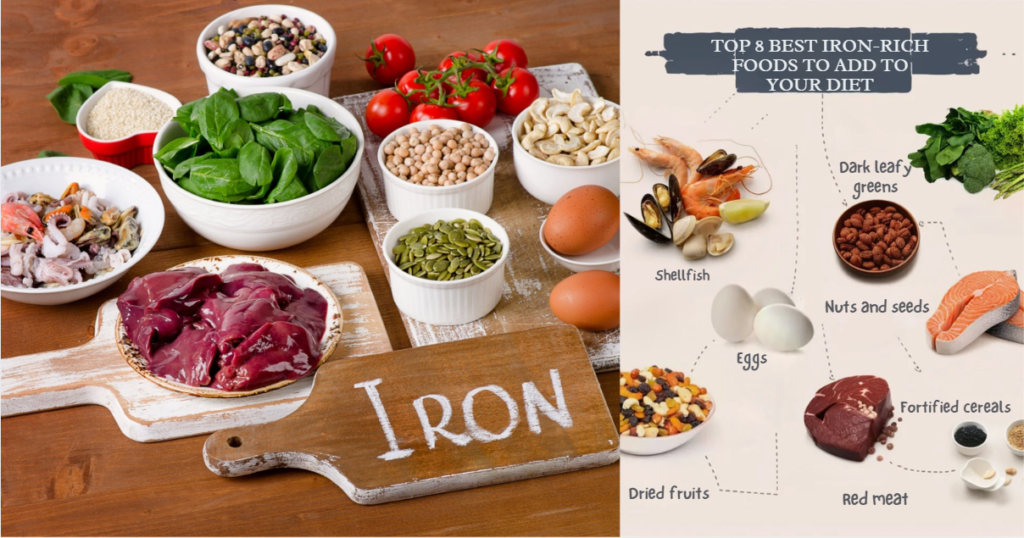
Section 2: Top Animal-Based Iron Sources
Animal-based iron, known as heme iron, is found in:
- Red meat (beef, lamb)
- Poultry (chicken, turkey)
- Seafood (clams, oysters, sardines)
Heme iron is readily absorbed by the body and less affected by dietary inhibitors such as phytates found in grains and legumes. Red meat, in particular, not only provides iron but also vitamin B12 and zinc, supporting neurological function and immune health.
H3: Practical Tips for Consumption
- Opt for lean cuts to reduce saturated fat intake.
- Include 3–4 servings per week to meet daily iron needs for adults.
- Combine with vegetables high in vitamin C, like bell peppers or tomatoes, to improve absorption.
Section 3: Best Plant-Based Iron Sources
For vegetarians and those seeking plant-based options, iron-rich foods include:
- Legumes (lentils, chickpeas, beans)
- Tofu and tempeh
- Dark leafy greens (spinach, kale, Swiss chard)
- Nuts and seeds (pumpkin seeds, sesame seeds, cashews)
- Whole grains (quinoa, oats, brown rice)
These foods contain non-heme iron, which is absorbed less efficiently than heme iron but remains an essential source for those avoiding animal products.
H3: Maximizing Plant Iron Absorption
- Pair with vitamin C-rich foods (e.g., citrus, strawberries).
- Avoid tea, coffee, or calcium-rich foods at the same meal, as they inhibit absorption.
- Lightly cook leafy greens to reduce oxalates that bind iron.
Section 4: How Iron Supports Cognitive Function
Iron is vital for brain function. Iron-containing enzymes are involved in neurotransmitter synthesis, including dopamine, serotonin, and norepinephrine. Deficiency can result in:
- Poor concentration and memory
- Reduced alertness
- Increased susceptibility to mood disorders
Maintaining optimal iron levels supports mental clarity and cognitive endurance, making iron-rich foods particularly important for students, professionals, and aging populations.
Section 5: Iron and Exercise Performance
For athletes or active individuals, iron plays a pivotal role in stamina and muscle performance. Oxygen transport is directly linked to aerobic capacity, endurance, and recovery. Iron deficiency can manifest as:
- Decreased exercise tolerance
- Rapid fatigue during workouts
- Delayed muscle recovery
Incorporating iron-rich foods pre- and post-exercise, alongside vitamin C sources, ensures adequate replenishment and supports physical strength.
Section 6: Signs and Symptoms of Low Iron
Recognizing early signs allows timely dietary adjustments or supplementation. Common indicators include:
- Chronic fatigue
- Shortness of breath during mild exertion
- Pale skin and lips
- Brittle nails or hair thinning
- Headaches or dizziness
If symptoms persist despite dietary adjustments, consulting a healthcare provider for lab tests such as serum ferritin and hemoglobin is recommended.
Section 7: Cooking and Dietary Strategies to Maximize Iron Intake
Preparation and pairing strategies significantly affect iron absorption:
- Soaking and sprouting legumes to reduce phytates
- Using cast iron cookware to increase iron content in food
- Combining meals with vitamin C-rich fruits or vegetables
- Rotating protein sources between plant and animal-based iron
By implementing these methods, both heme and non-heme iron can be utilized effectively for energy, immunity, and overall wellness.
Section 8: Special Considerations for Women and Vulnerable Groups
Women have unique iron requirements due to menstrual blood loss, pregnancy, and lactation. Adolescents and older adults may also experience shifts in iron needs. Key recommendations:
- Pregnant women should follow obstetrician-guided iron supplementation.
- Vegetarian and vegan women should be vigilant about combining iron sources with vitamin C.
- Athletes should monitor ferritin levels periodically to prevent hidden deficiency.
Personalized planning ensures safety and optimal benefit.
Conclusion: Your Path to Optimal Energy and Strength
Iron-rich foods for optimal health provide a natural, effective way to boost energy, support immunity, and maintain physical strength. From lean meats and seafood to lentils, leafy greens, and seeds, integrating these foods into daily meals supports every system reliant on oxygen transport and enzymatic activity.
Start by:
- Identifying your current dietary iron sources
- Pairing plant-based iron with vitamin C
- Using practical cooking techniques to enhance absorption
By consistently incorporating these strategies, you can prevent deficiency, improve vitality, and maintain optimal health over the long term. Small, strategic choices today lead to sustained energy, cognitive clarity, and resilience tomorrow.
Important Disclaimer
This article is for informational purposes only and does not replace professional medical advice. Individuals with underlying health conditions, iron overload disorders, or specific dietary needs should consult a qualified healthcare professional before making significant changes to their diet or taking supplements. Individual results may vary.