Want your produce to last longer? Discover the fruits and vegetables you should never store together and prevent spoilage before it starts.
Have you ever opened your fridge only to find mushy cucumbers, overripe bananas, or wilted lettuce long before you expected? The problem may not be freshness—it may be storage mistakes. Knowing the fruits and vegetables you should never store together can dramatically extend shelf life, reduce food waste, and save you money.
In this guide, you’ll learn exactly why certain produce items clash, which combinations to avoid, and how to organize your kitchen for maximum freshness. With a few simple adjustments, you can transform how your fruits and vegetables stay crisp, flavorful, and nutritious.
Why Should You Keep Certain Fruits and Vegetables Apart?
Before diving into specific pairings, let’s understand the science.
The main reason some fruits and vegetables should never be stored together is ethylene gas. Ethylene is a natural plant hormone that speeds up ripening. While it’s helpful during harvesting and distribution, it can cause premature spoilage in your kitchen.
What Is Ethylene Gas?
Ethylene is invisible and odorless. Certain fruits produce high levels of it as they ripen. Nearby produce sensitive to ethylene reacts quickly—becoming soft, yellowed, or spoiled.
High ethylene producers include:
- Bananas
- Apples
- Avocados
- Tomatoes
- Peaches
Ethylene-sensitive vegetables include:
- Broccoli
- Carrots
- Cucumbers
- Leafy greens
- Bell peppers
When you store these together, you create a fast-track to food waste.
Why Does This Matter for Your Kitchen?
According to food waste research, households throw away significant amounts of produce due to spoilage. Proper storage can extend freshness by several days—or even weeks.
If you’re already interested in topics like how to organize your refrigerator, meal prep for beginners, or kitchen mistakes to avoid, mastering produce storage is a powerful next step.
Which Fruits and Vegetables Should Never Be Stored Together?
Let’s answer the core question directly.
Featured Snippet Answer
Fruits and vegetables you should never store together include bananas with leafy greens, apples with carrots, tomatoes with cucumbers, and avocados with broccoli. High-ethylene fruits speed up spoilage in sensitive vegetables.
Now let’s break it down further.
Bananas and Leafy Greens
Bananas release high amounts of ethylene. When placed near spinach, lettuce, or kale, these greens wilt quickly and develop yellow patches.
If you notice slimy salad greens, check whether bananas are nearby.
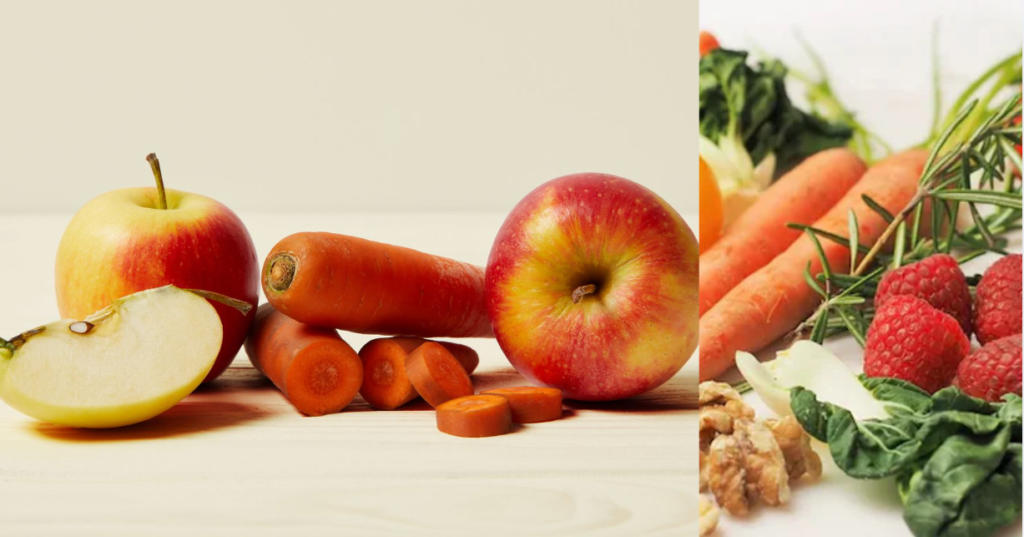
Apples and Carrots
Apples produce steady ethylene. Carrots exposed to it can develop bitterness and faster softening.
Store apples in a fruit drawer and carrots in a separate crisper section.
Tomatoes and Cucumbers
Tomatoes emit ethylene as they ripen. Cucumbers are highly sensitive and can turn soft and watery when stored next to tomatoes.
Even storing them side by side on a counter can shorten cucumber freshness.
Avocados and Broccoli
While avocados benefit from ethylene to ripen, broccoli reacts poorly. It may yellow and lose texture rapidly when stored nearby.
Keep avocados separate until fully ripe, then refrigerate them away from greens.
How Can You Properly Separate Produce at Home?
Now that you know the fruits and vegetables you should never store together, let’s make it practical.
Step 1: Identify High Ethylene Producers
Create a mental or written list of:
- Bananas
- Apples
- Avocados
- Tomatoes
- Pears
- Stone fruits
These should generally be stored separately from vegetables.
Step 2: Use Your Refrigerator Drawers Wisely
Most refrigerators have two crisper drawers. Use them strategically:
- One drawer for fruits
- One drawer for vegetables
Many drawers also have humidity settings. Vegetables prefer high humidity, while fruits prefer lower humidity.
Step 3: Store Some Produce at Room Temperature
Not all produce belongs in the fridge.
Keep at room temperature:
- Bananas
- Whole tomatoes
- Onions (separate from potatoes)
- Garlic
Once fruits like avocados ripen, you can move them to the refrigerator to slow further ripening.
What Are Advanced Storage Strategies to Extend Freshness?
Once you’ve mastered the basics, you can take it further.
Use Ethylene Absorbers
Special produce storage bags and ethylene-absorbing packets help slow ripening. These are particularly helpful if you buy produce in bulk.
Separate by Ripeness Stage
Unripe fruits benefit from some ethylene exposure. Ripe fruits should be isolated to prevent over-ripening others.
For example:
- Place an unripe avocado next to a banana to speed ripening.
- Move it away once it softens.
This controlled exposure gives you more control over timing.
Keep Produce Dry
Moisture accelerates decay. Wash fruits and vegetables just before use, not before storage.
Line crisper drawers with paper towels to absorb excess moisture.
What Common Storage Mistakes Should You Avoid?
Even with good intentions, small mistakes can undo your efforts.
Storing Everything in Plastic Bags
Sealed plastic traps moisture and ethylene gas. Instead:
- Use perforated produce bags
- Leave space for airflow
- Avoid tightly sealed containers unless designed for produce
Ignoring Potatoes and Onions
While technically vegetables, potatoes and onions should also never be stored together. Onions release moisture and gases that cause potatoes to sprout faster.
Store them in cool, dark, well-ventilated spaces—separately.
Overcrowding Your Fridge
Air circulation matters. When produce is packed tightly, ethylene gas accumulates and spreads more easily.
Leave room for airflow to maintain freshness.
How Can You Maximize Produce Shelf Life Long-Term?
Now that you understand the fruits and vegetables you should never store together, let’s look at long-term habits.
Plan Meals Around Ripeness
Use highly perishable vegetables first:
- Leafy greens
- Broccoli
- Cucumbers
Save sturdier vegetables like carrots and cabbage for later in the week.
Buy Seasonal and Local When Possible
Seasonal produce often lasts longer because it hasn’t traveled far. Local shopping supports freshness and reduces spoilage.
If you’re interested in seasonal meal planning, reducing food waste, or smart grocery shopping strategies, this approach aligns perfectly.
Practice Weekly Fridge Checks
Take five minutes once a week to:
- Remove overripe fruit
- Reorganize drawers
- Wipe away excess moisture
This simple routine can dramatically extend freshness.
Frequently Asked Questions About Storing Produce
Why Do Bananas Make Other Produce Ripen Faster?
Bananas release high levels of ethylene gas, especially as they turn yellow and brown. This gas triggers ripening in nearby fruits and vegetables.
Can You Store Fruits and Vegetables Together If They’re Refrigerated?
Refrigeration slows ethylene production but doesn’t stop it. Sensitive vegetables can still spoil faster if stored next to ethylene-producing fruits.
Is It Ever Okay to Store Them Together?
Yes—when you want to speed ripening. For example, placing an unripe avocado next to an apple helps it soften faster. The key is intentional timing.
Transform Your Kitchen by Storing Produce Smarter
Understanding the fruits and vegetables you should never store together gives you a powerful advantage. Instead of guessing why your greens wilt or your cucumbers turn soft, you now know the science behind it.
By separating high-ethylene fruits from sensitive vegetables, using crisper drawers wisely, and practicing simple organization habits, you can:
- Reduce food waste
- Save money
- Keep produce fresher longer
- Enjoy better flavor and nutrition
Small changes create big results. Start today by reorganizing your fridge with intention. Once you experience longer-lasting freshness, you’ll never go back to random storage again.