Meta Description: Learn to recognize early warning signs of pre-eclampsia, including swelling, sudden headaches, and vision changes, to protect maternal and fetal health.
Introduction
Pregnancy is an exciting journey, but it comes with important health considerations. Pre-eclampsia is a serious pregnancy complication that can develop after 20 weeks of gestation, potentially impacting both mother and baby. Recognizing the early warning signs—such as swelling, sudden headaches, and vision changes—can be life-saving. Awareness and timely intervention empower you to act quickly, ensuring both safety and peace of mind.
In this comprehensive guide, you will learn how to identify symptoms early, understand the risks, and explore practical strategies for monitoring and prevention. By staying informed and proactive, you can protect your health and enjoy a safer pregnancy journey.
Section 1: Foundation – Understanding Pre-Eclampsia
H3: What is Pre-Eclampsia?
Pre-eclampsia is a pregnancy-related condition characterized by high blood pressure and often the presence of protein in the urine. It can affect multiple organs, including the liver, kidneys, and brain. Left untreated, it may progress to serious complications, such as eclampsia or HELLP syndrome.
H3: Who is at Risk?
While any pregnant person can develop pre-eclampsia, certain factors increase risk:
- First-time pregnancies
- Multiple gestations (twins, triplets)
- Pre-existing hypertension or diabetes
- Obesity or advanced maternal age
- History of pre-eclampsia in previous pregnancies
Understanding your risk profile helps you stay vigilant for early symptoms.
H3: Why Early Detection Matters
Early detection allows for timely medical interventions, reducing the risk of complications for both mother and baby. Regular prenatal check-ups, blood pressure monitoring, and awareness of warning signs are critical tools in prevention and management.
Section 2: Recognizing Early Symptoms
Identifying symptoms promptly can make a significant difference.
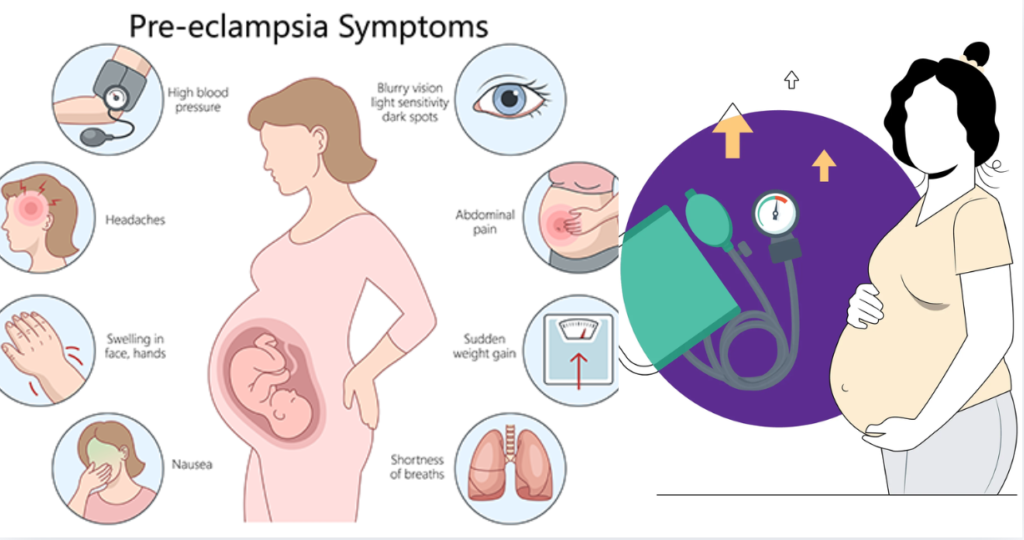
H3: Swelling (Edema)
- Where to watch: Hands, face, ankles, and feet
- Mild swelling is common in pregnancy, but sudden, severe, or asymmetric swelling may indicate pre-eclampsia
- Keep track of changes daily and report significant swelling to your healthcare provider
H3: Sudden or Severe Headaches
- Headaches associated with pre-eclampsia often appear abruptly and resist usual remedies
- They may be accompanied by dizziness or a feeling of pressure behind the eyes
- Document frequency and intensity to assist your doctor in assessment
H3: Vision Changes
- Blurred vision, light sensitivity, or seeing spots (“floaters”) are warning signs
- These symptoms indicate possible involvement of the nervous system and require immediate attention
H3: Additional Early Signs
- Nausea or vomiting after mid-pregnancy
- Rapid weight gain unrelated to dietary changes
- Upper abdominal pain, particularly on the right side
- Shortness of breath due to fluid retention
Section 3: Step-by-Step Monitoring and Prevention
H3: Regular Prenatal Check-Ups
- Attend all scheduled appointments to monitor blood pressure, urine protein, and overall health
- Early intervention can prevent complications and guide treatment decisions
H3: Home Monitoring Techniques
- Measure blood pressure at home using a validated cuff
- Keep a symptom journal to note swelling, headaches, and vision changes
- Stay hydrated and maintain a balanced diet rich in fruits, vegetables, and whole grains
H3: Lifestyle Strategies
- Moderate physical activity, such as walking or prenatal yoga, supports cardiovascular health
- Limit high-sodium foods to reduce fluid retention
- Prioritize restful sleep to maintain blood pressure balance
Section 4: Advanced Strategies & Pro Tips
H3: Nutritional Support
- Calcium and magnesium: Adequate intake may reduce the risk of high blood pressure in pregnancy
- Protein-rich foods: Support vascular and kidney health
- Omega-3 fatty acids: Found in fish or supplements, they can promote healthy blood pressure regulation
H3: Stress Reduction Techniques
- Prenatal meditation, breathing exercises, and gentle stretching can help maintain stable blood pressure
- Consider prenatal massage with a certified professional for relaxation and improved circulation
H3: Collaborating with Your Healthcare Team
- Discuss risk factors and possible preventive measures with your obstetrician
- Ask about low-dose aspirin therapy if you are considered high-risk
- Stay informed about warning signs and understand when to seek urgent care
Section 5: Troubleshooting Common Challenges
H4: Confusing Normal Pregnancy Symptoms with Pre-Eclampsia
- Mild swelling, occasional headaches, and fatigue are normal in pregnancy
- Key difference: sudden, severe, or persistent symptoms that interfere with daily life or are accompanied by high blood pressure
H4: Barriers to Regular Monitoring
- Lack of access to healthcare: use telehealth or mobile clinics where available
- Forgetting to track symptoms: set reminders for daily blood pressure checks and symptom journaling
H4: Managing Anxiety About Symptoms
- Educate yourself about warning signs without becoming fearful
- Lean on support networks, including partners, family, or prenatal groups
Section 6: Maximizing Safety and Long-Term Health
H3: Post-Diagnosis Strategies
- Follow all medical recommendations, including medications and monitoring schedules
- Rest and avoid overexertion to reduce risk of complications
- Track fetal movements and communicate concerns promptly
H3: Complementary Strategies
- Incorporate gentle, approved exercise routines
- Maintain a balanced, nutrient-dense diet to support both maternal and fetal health
- Stay hydrated and avoid substances that may exacerbate blood pressure, such as excessive caffeine or alcohol
H3: Internal Linking Opportunities
- “Understanding Hypertension in Pregnancy”
- “Nutrition Tips for Healthy Pregnancy”
- “Safe Exercise During Pregnancy”
- “Managing Stress for Expectant Mothers”
Featured Snippet: What Are the First Signs of Pre-Eclampsia?
Early signs of pre-eclampsia often include sudden swelling in the face, hands, or feet, severe headaches, and vision changes like blurred vision or seeing spots. Other indicators may include rapid weight gain, nausea, and upper abdominal pain. Immediate medical attention is essential if these symptoms appear.
Conclusion
Pre-eclampsia is a serious but manageable pregnancy complication if detected early. By understanding the warning signs—swelling, sudden headaches, vision changes, and other symptoms—you empower yourself to take swift action, protect your health, and ensure your baby’s safety. Regular prenatal care, lifestyle adjustments, and vigilant monitoring create a proactive approach that enhances both maternal and fetal well-being. Remember, staying informed and engaged in your pregnancy journey is a powerful step toward a safe and healthy outcome.
Important Disclaimer: This article is for informational purposes only and should not replace professional advice. For health-related topics, consult healthcare providers. Individual results may vary, and personal circumstances should always be considered when implementing any suggestions.