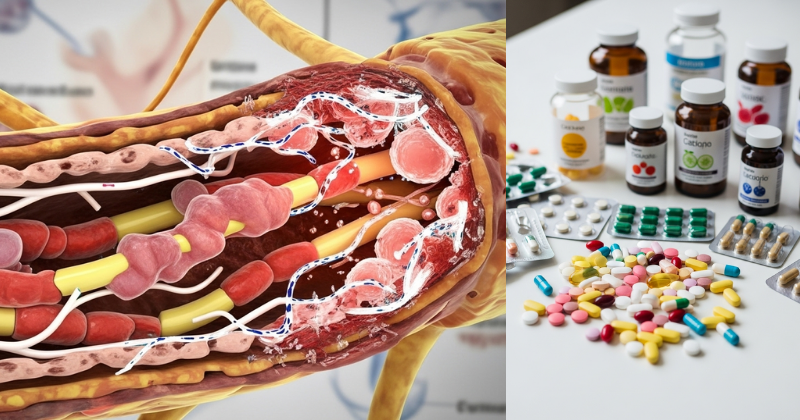
Discover how nerve damage is not permanent when you provide your body with the right nutrients. Learn the 7 essential vitamins that can help repair your nerves.
Have you ever felt a sudden zap of electricity in your hands, or perhaps a nagging numbness in your toes that just won’t go away? If you are living with the “pins and needles” sensation of neuropathy, you might feel like you are losing a bit of your freedom every day. But here is the exciting truth: nerve damage is not permanent in many cases, especially when you empower your body with the biological building blocks it needs to heal. Your nervous system is remarkably resilient, and with the right intervention, you can unlock its natural ability to regenerate and repair.
In this comprehensive guide, we are going to dive deep into the world of neuro-recovery. You will discover how specific micronutrients act as “mechanics” for your nerve fibers, patching up the protective myelin sheath and restoring clear communication between your brain and your limbs. We will explore the latest scientific insights and provide you with a clear, actionable roadmap to reclaim your comfort. It is time to stop just “managing” the pain and start fueling the recovery you deserve. Let’s explore the seven vitamins that can change your life!
Important Disclaimer: This article is for informational purposes only and should not replace professional advice. For health-related topics, consult healthcare providers. For financial or legal matters, seek qualified professional guidance. For safety procedures, verify current best practices and local regulations. Individual results may vary, and personal circumstances should always be considered when implementing any suggestions.

Foundation: Understanding Why Nerve Damage is Not Permanent
For years, many believed that once a nerve was damaged, it was gone for good. However, modern neurology shows us that nerves in the peripheral nervous system have a surprising capacity for regrowth. To understand how to fix them, we first need to look at what went wrong.
The Role of the Myelin Sheath
Think of your nerves like electrical wires. The “insulation” around these wires is called the myelin sheath. When this sheath is eroded—due to high blood sugar, toxins, or nutrient deficiencies—the “signal” leaks out, causing pain or numbness. The good news? Myelin can be rebuilt. When you hear that nerve damage is not permanent, it is often because this insulation is being restored through proper nutrition and lifestyle changes.
Common Causes of Nerve Issues
Nerve discomfort doesn’t happen in a vacuum. It is often a secondary effect of other conditions.
- Oxidative Stress: Free radicals attacking nerve cells.
- Poor Circulation: Nerves need oxygen and blood to stay alive.
- Metabolic Stress: High glucose levels literally “caramelizing” nerve proteins.
Reassurance for Your Journey
If you are just starting this journey, it is natural to feel hesitant. You might have been told to “just live with it.” But your body is a dynamic system. By addressing the root causes and providing the specific 7 vitamins we are about to discuss, you are giving your nerves the environment they need to flourish.
The Core Method: 7 Essential Vitamins for Nerve Repair
To prove that nerve damage is not permanent, we must look at the specific “repair kit” your body requires. Here are the seven heavy hitters in the world of nerve health.
1. Vitamin B12 (Methylcobalamin)
This is the holy grail of nerve repair. B12 is essential for the synthesis of myelin. Without it, your nerves essentially “short circuit.” If you are choosing a supplement, look for methylcobalamin rather than cyanocobalamin, as the “methyl” form is more easily absorbed by your nervous system.
2. Vitamin B1 (Benfotiamine)
Standard Vitamin B1 (Thiamine) is water-soluble, meaning it passes through you quickly. However, Benfotiamine is a fat-soluble version that can actually penetrate the fatty tissues of your nerves. It helps block the pathways that lead to nerve damage, particularly in those with blood sugar concerns.
3. Alpha-Lipoic Acid (ALA)
While technically a fatty acid that acts like a vitamin, ALA is a “universal antioxidant.” It has the unique ability to work in both water and fat-based tissues. ALA has been shown in clinical trials to significantly reduce the burning and itching associated with neuropathy by improving blood flow to the nerves.
4. Vitamin B6 (Pyridoxine)
B6 is a double-edged sword; you need it to maintain the health of your nerve endings, but too much can be harmful. In the right dose, it supports the production of neurotransmitters, the chemical messengers that tell your nerves how to feel.
5. Vitamin D3
Often called the “sunshine vitamin,” D3 acts more like a hormone in the body. It plays a vital role in nerve growth factor (NGF) production. Low levels of Vitamin D are frequently linked to increased nerve pain, so keeping your levels topped up is a foundational step in your recovery.
6. Vitamin E
This fat-soluble antioxidant protects the cell membranes of your nerves from oxidative damage. Think of Vitamin E as a shield that prevents “rust” from forming on your delicate neural pathways.
7. Acetyl-L-Carnitine (ALC)
ALC is an amino acid that functions alongside vitamins to boost energy production within the nerve cells’ mitochondria. When your nerve cells have more energy, they can perform repair work much faster.
Advanced Strategies: Maximizing Your Healing Potential
Taking the vitamins is step one, but how you take them and what you pair them with can accelerate your results.
Synergy is Key
Vitamins don’t work in isolation. For example, B12 works much better when paired with Folate (B9) and B6. This is known as “B-Complex synergy.” When these work together, they lower homocysteine levels, which is a known inflammatory marker that can irritate your nerves.
The Power of Dietary Support
You can enhance the effects of these vitamins by eating a “neuro-protective” diet. Focus on:
- Healthy Fats: Avocado and walnuts provide the raw materials for myelin.
- Leafy Greens: High in natural B-vitamins and magnesium.
- Wild-Caught Fish: Rich in Omega-3s, which reduce nerve inflammation.
Featured Snippet: Can nerves really grow back?
Yes, nerves in the peripheral nervous system can grow back at a rate of approximately 1 millimeter per day (or about 1 inch per month). For this regeneration to occur, the underlying cause of the damage must be addressed—such as through blood sugar management—and the body must have an adequate supply of nerve-repairing nutrients like Vitamin B12, Benfotiamine, and Alpha-Lipoic Acid.
Troubleshooting: Why You Might Not See Results Yet
Healing takes time, and sometimes obstacles get in the way. If you feel like you aren’t progressing, consider these common challenges.
Give it Time (The 90-Day Rule)
Nerves are slow growers. Unlike skin cells that turn over in weeks, nerves take months to repair. Many people quit their vitamin regimen after three weeks because they don’t feel “cured.” You must be consistent for at least 90 days to see a structural change in your nerve health.
Check Your Absorption
If you have gut health issues or take certain medications (like acid blockers or metformin), you might not be absorbing your B12 or B1. In these cases, sublingual (under the tongue) drops or even patches can be more effective than standard pills.
Managing Setbacks
You might have days where the tingling feels worse. This can actually be a sign of “re-innervation”—the nerves waking back up. Stay the course and maintain your routine; these fluctuations are often a part of the healing process.
Maximizing Results: Next-Level Recovery Tips
To truly prove that nerve damage is not permanent, you can add lifestyle habits that “supercharge” your vitamins.
Movement as Medicine
Gentle exercise, like walking or swimming, increases circulation. More blood flow means more of those 7 vitamins reaching the tiny capillaries that feed your nerves. Even 15 minutes of movement can make a massive difference in how your nerves receive nutrients.
Temperature Therapy
Alternating between warm and cool water in the shower can stimulate nerve endings and improve vascular tone. This “vascular gymnastics” helps clear out toxins that might be hindering your recovery.
Sleep and Repair
Your body does the bulk of its repair work while you sleep. Ensure you are getting 7-9 hours of quality rest. Consider using a [sleep support balm] or a magnesium supplement to help your muscles relax so your nervous system can focus entirely on regeneration.
Conclusion
The journey to nerve health is a marathon, not a sprint, but the finish line is well worth the effort. By understanding that nerve damage is not permanent and arming yourself with the 7 essential vitamins—from the fat-soluble power of Benfotiamine to the protective shield of Vitamin E—you are taking back the lead in your health story.
You have the power to transform your daily experience. Start today by incorporating these nutrients, staying consistent, and listening to your body’s signals of recovery. You are capable of healing, and your nerves are waiting for the fuel they need to thrive. Here is to your bright, pain-free future!