
Persistent fatigue despite adequate sleep is one of the most common complaints in modern clinical nutrition — and in the majority of cases, the root cause isn’t rest deficit but dietary composition. The foods delivering energy-rich nutrients to your cells determine not just how energetic you feel hour to hour, but how efficiently your mitochondria generate ATP, how effectively your thyroid regulates metabolism, and how consistently your blood glucose maintains the stable baseline that prevents the mid-afternoon energy collapse most people accept as normal. This guide identifies the specific nutrient-dense foods with the greatest impact on sustained energy and overall dietary quality, explaining the precise biochemical mechanisms behind each recommendation so you can make genuinely informed decisions about what belongs on your plate.
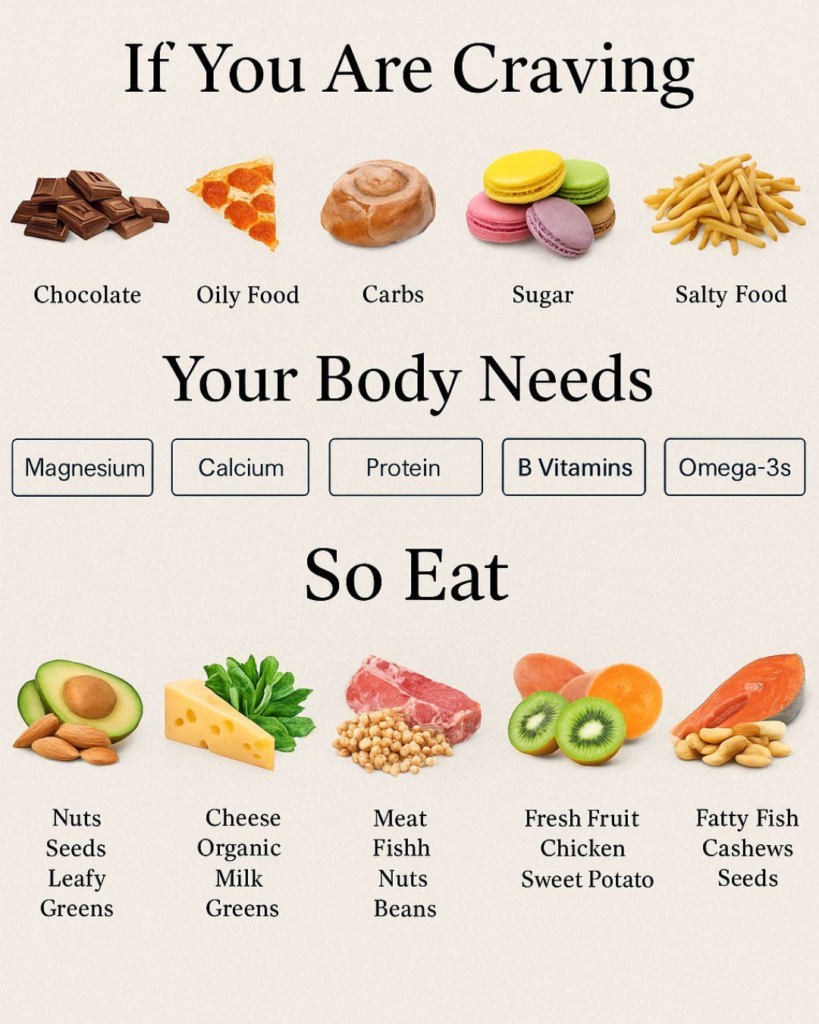
The Biochemistry of Food-Derived Energy: What “Energy Foods” Actually Means
The term “energy food” is one of the most misused phrases in popular nutrition. True dietary energy isn’t about stimulation — it’s about the efficiency and sustainability of cellular ATP production through mitochondrial oxidative phosphorylation. Understanding this distinction transforms how you evaluate what to eat.
Macronutrients as Metabolic Substrates
All three macronutrients — carbohydrates, proteins, and fats — ultimately serve as substrates for ATP synthesis, but through dramatically different metabolic pathways with distinct implications for energy consistency. Carbohydrates enter glycolysis as glucose, yielding 2 ATP per molecule before entering the citric acid cycle for an additional 30-32 ATP through oxidative phosphorylation. The critical variable is glycemic index — the rate at which dietary carbohydrates raise blood glucose. High-glycemic foods produce rapid glucose spikes that trigger proportionally large insulin responses, driving glucose into storage and creating the reactive hypoglycemia that manifests as energy crashes 60-90 minutes post-meal.
Dietary fats provide 9 kcal per gram versus 4 kcal for carbohydrates, and their oxidation through beta-oxidation yields significantly more acetyl-CoA for the citric acid cycle — a metabolically denser but slower-burning fuel. The combination of moderate-glycemic complex carbohydrates with healthy fats produces the most consistent energy substrate delivery, explaining why traditional dietary patterns emphasizing whole grains, legumes, and olive oil produce superior metabolic outcomes compared to either extreme macronutrient manipulation.
The Micronutrient Dimension: Cofactors That Enable Energy Production
Here’s what most energy nutrition discussions omit entirely: macronutrients cannot generate ATP without a comprehensive array of micronutrient cofactors. The citric acid cycle alone requires thiamine (B1), riboflavin (B2), niacin (B3), pantothenic acid (B5), and magnesium as enzymatic cofactors. The electron transport chain requires iron, copper, and coenzyme Q10. Pyruvate dehydrogenase — the critical enzyme converting pyruvate to acetyl-CoA — requires thiamine, lipoic acid, and coenzyme A (itself derived from pantothenic acid). Deficiency in any of these cofactors creates a metabolic bottleneck that reduces ATP output regardless of caloric adequacy. This is why individuals eating sufficient calories still experience fatigue when micronutrient status is compromised — the machinery exists but lacks the tools to run efficiently.
The Top Energy-Boosting, Nutrient-Dense Foods: Evidence-Based Selections
Complex Carbohydrates With High Fiber and Micronutrient Density
Oats represent one of the most nutritionally sophisticated grain foods available. Beyond their well-documented slow-digestion beta-glucan fiber (which produces a glycemic response 40-50% lower than equivalent refined carbohydrates), oats provide thiamine (0.76mg per 100g — 63% of daily requirement), iron, magnesium, and manganese essential for energy metabolism. A meta-analysis in the American Journal of Clinical Nutrition documented that beta-glucan consumption consistently reduces postprandial blood glucose variability — the primary dietary driver of energy inconsistency.
Sweet potatoes deliver complex carbohydrates alongside an extraordinary micronutrient profile: a single medium sweet potato provides over 100% of the daily vitamin A requirement (as beta-carotene), 37% of vitamin C (a cofactor for carnitine synthesis — the transport molecule that carries fatty acids into mitochondria for beta-oxidation), potassium (537mg, important for the sodium-potassium ATPase that drives cellular energy gradients), and manganese. Their moderate glycemic load (despite a high glycemic index, their fiber and water content reduce the actual glucose delivery rate) makes them a superior energy carbohydrate compared to refined starches.
Legumes — lentils, chickpeas, black beans, and their relatives — are arguably the most underutilized energy food category in Western diets. They deliver the rare combination of protein (15-20g per cooked cup), complex carbohydrates with very low glycemic impact, iron (particularly important for oxygen transport and cytochrome function in the electron transport chain), folate, and zinc in a single food. The protein-carbohydrate combination in legumes produces particularly stable postprandial glucose profiles, with research documenting reduced glycemic response at the subsequent meal — a phenomenon called the “second meal effect” — attributed to short-chain fatty acid production by fermentation in the colon.
Protein-Rich Foods That Support Mitochondrial Function
Eggs contain all nine essential amino acids in proportions closely matching human tissue requirements (biological value of 100 — the reference standard against which other proteins are measured). Beyond protein, eggs provide choline (125mg per egg) — a precursor to acetylcholine and a component of phosphatidylcholine in mitochondrial membranes — vitamin B12, riboflavin, and lutein/zeaxanthin. The yolk’s combination of fat-soluble vitamins and phospholipids supports the integrity of mitochondrial inner membranes where ATP synthase complexes are embedded.
Fatty fish (salmon, mackerel, sardines, herring) provide complete protein alongside EPA and DHA — omega-3 fatty acids that incorporate into mitochondrial membranes and influence their fluidity and electron transport chain efficiency. Research published in the Journal of Nutritional Biochemistry demonstrates that adequate omega-3 status increases mitochondrial membrane fluidity and upregulates the expression of uncoupling proteins that paradoxically improve metabolic efficiency. The vitamin D provided by fatty fish addresses another widespread deficiency — vitamin D receptors are present in mitochondria, and deficiency associates with impaired mitochondrial function and chronic fatigue.
Lean red meat and organ meats deserve inclusion despite their cultural complexity in nutrition discussions. Beef liver is arguably the most nutrient-dense food per calorie in existence — a 100g serving provides 1,000% of the daily vitamin B12 requirement, 590% of vitamin A, 80% of riboflavin, 65% of folate, and highly bioavailable heme iron at concentrations difficult to match from plant sources. For individuals with iron-deficiency anemia — the most prevalent nutritional deficiency globally, affecting 1.6 billion people and causing fatigue through impaired hemoglobin synthesis and cytochrome function — the heme iron in red meat (15-35% absorption rate versus 2-20% for non-heme iron) makes it uniquely effective at restoring iron status.
Plant Foods With Exceptional Energy-Supporting Micronutrient Profiles
Spinach and dark leafy greens provide the magnesium (157mg per cooked cup — 37% of daily requirement) that functions as a cofactor in over 300 enzymatic reactions, including all ATP-generating reactions (ATP exists biologically as the Mg-ATP complex). Magnesium deficiency — present in an estimated 50% of Western populations — directly impairs cellular energy production and produces fatigue, muscle weakness, and cognitive fog. Dark leafy greens also provide iron, folate, and vitamin K, with the caveat that their non-heme iron and calcium-bound forms have lower bioavailability than animal sources — pairing with vitamin C substantially enhances absorption.
Nuts and seeds — particularly almonds, walnuts, pumpkin seeds, and sunflower seeds — deliver magnesium, zinc, vitamin E, and healthy fats that collectively support mitochondrial membrane function and antioxidant protection against oxidative stress generated during high ATP production. Pumpkin seeds provide an exceptional 150mg of magnesium per ounce alongside 2.2mg of zinc (20% of daily requirement) — zinc being a cofactor for superoxide dismutase that protects mitochondria from the reactive oxygen species generated during oxidative phosphorylation.
Bananas and avocados represent the most accessible high-potassium foods for most populations. Potassium maintains the electrochemical gradient across cell membranes that drives the sodium-potassium ATPase — a pump consuming 20-40% of total resting cellular energy to maintain ion balance essential for nerve transmission and muscle contraction. Avocados add oleic acid, B vitamins, and folate, while their fat content enhances the absorption of fat-soluble micronutrients consumed in the same meal.
Building Energy-Optimizing Meals: Strategic Combination Principles
Understanding individual nutrient-dense foods is valuable — but the real transformation comes from understanding how to combine them into meals that deliver sustained energy through complementary mechanisms.
The Balanced Plate Framework for Energy Stability
The most evidence-supported structure for sustained energy involves constructing each main meal around three simultaneous components: a moderate-glycemic complex carbohydrate source, a complete protein source, and a healthy fat. This combination achieves three simultaneous goals. The protein (requiring 20-30% of its caloric value just to digest, via the thermic effect of food) slows gastric emptying, reducing glucose absorption rate from the carbohydrate component. The fat further slows gastric emptying while providing slow-burning substrate for oxidative phosphorylation between meals. The complex carbohydrate provides immediate and medium-term glucose substrate without the spike-crash pattern of refined sources.
A practical application: replace a breakfast of white toast with jam (high glycemic, low protein, low fat — perfect conditions for a 90-minute energy crash) with oats topped with Greek yogurt, nut butter, and berries. This combination provides beta-glucan fiber, complete protein, healthy fat, and antioxidant polyphenols simultaneously — producing glucose stability that research demonstrates sustains cognitive performance and physical energy through mid-morning.
Meal Timing and Circadian Metabolic Alignment
Emerging chrononutrition research reveals that identical meals consumed at different times of day produce different metabolic outcomes due to circadian variation in insulin sensitivity, digestive enzyme activity, and mitochondrial function. Insulin sensitivity peaks in the morning and early afternoon, then declines progressively — meaning the same carbohydrate load produces significantly lower glucose elevation and more efficient cellular uptake when consumed earlier in the day. Front-loading caloric and carbohydrate intake toward morning and midday while emphasizing protein and vegetables at evening meals aligns dietary energy delivery with the body’s metabolic capacity to utilize it efficiently.
Research published in Cell Metabolism demonstrated that time-restricted eating — confining caloric intake to a 10-12 hour daytime window — improves metabolic efficiency, reduces inflammatory markers, and enhances sleep quality independent of caloric intake, suggesting circadian alignment itself as a dietary optimization strategy distinct from food selection.
Practical Challenges and Solutions in Energy Nutrition
Overcoming the Mid-Afternoon Energy Slump
The 2-4 PM energy dip that most working adults experience reflects a combination of circadian biology (natural alertness dip in the early afternoon tied to melatonin rhythm) and dietary patterns (lunch-induced blood glucose oscillations). Addressing it nutritionally requires attention to both the composition and timing of lunch. A high-carbohydrate, low-protein lunch (pasta with minimal protein, sandwiches on refined bread) exacerbates the afternoon dip by triggering insulin-mediated glucose clearance that overshoots baseline. A protein-forward lunch with moderate complex carbohydrates and vegetables dramatically reduces afternoon energy fluctuation. Pairing lunch with a 10-20 minute post-meal walk improves postprandial glucose clearance by 30-40% through muscle glucose uptake independent of insulin — a simple behavioral intervention with measurable metabolic impact.
Managing Energy Around Exercise
Physical activity significantly increases demand for specific energy-supporting nutrients. Iron requirements increase with high training loads due to exercise-induced hemolysis (mechanical destruction of red blood cells during high-impact activity) and increased iron losses in sweat. Magnesium losses increase substantially through sweat during intense exercise. B-vitamin requirements scale with caloric expenditure since these cofactors turn over proportionally to metabolic activity. Athletes and regularly active individuals need to deliberately increase consumption of iron-rich foods, magnesium-rich foods, and B-vitamin sources beyond baseline recommendations — or risk the exercise-induced fatigue that paradoxically results from training without matching nutritional support.
Maximizing Long-Term Energy Through Dietary Consistency
Building Sustainable Eating Patterns Around Energy Foods
The most significant obstacle to maintaining an energy-optimizing diet isn’t knowledge — it’s implementation friction. Research on dietary behavior change consistently demonstrates that simplification and systematic planning outperform motivation-based approaches for long-term adherence. Implementing a rotating repertoire of 5-7 breakfast options, 5-7 lunch combinations, and 7-10 dinner templates that each incorporate the nutrient-dense foods discussed above reduces decision fatigue while ensuring consistent micronutrient coverage without requiring daily dietary calculation.
Batch cooking foundational energy foods — preparing large quantities of legumes, whole grains, and roasted vegetables on a weekly basis — makes nutrient-dense eating the path of least resistance on busy weekdays when cognitive load is highest and dietary shortcuts most tempting. The investment of 2-3 hours on a weekend day pays dividends in consistent energy and dietary quality across the entire subsequent week.
Tracking Progress Beyond the Scale
Dietary changes for energy optimization produce measurable outcomes beyond body composition that serve as meaningful progress indicators. Tracking morning resting heart rate (which decreases with improved metabolic health), sleep quality scores, cognitive performance on standardized tasks, and subjective energy ratings across morning, afternoon, and evening provides a multidimensional picture of dietary impact that scales alone miss entirely. Most people notice improvements in afternoon energy consistency within 2-3 weeks of systematically replacing refined carbohydrates with complex alternatives and addressing protein distribution across meals — a timeline short enough to maintain motivation through the initial adjustment period.
Conclusion
Transforming your energy levels through nutrition is fundamentally a project of systematic micronutrient repletion and macronutrient pattern optimization — not the pursuit of any single “superfood.” The energy-rich foods covered here — oats, sweet potatoes, legumes, eggs, fatty fish, dark leafy greens, nuts, and seeds — work through complementary, scientifically documented mechanisms that together address every level of cellular energy production. Start by replacing one refined carbohydrate source per day with a complex alternative, add a protein source to each meal, and watch how your body responds within weeks. Your mitochondria have the machinery for sustained, consistent energy — these foods give them the fuel and cofactors to actually use it.
Important Disclaimer: This article is for informational purposes only and should not replace professional advice. For health-related topics, consult healthcare providers. Individual results may vary, and personal circumstances should always be considered when implementing any suggestions.