Nutrition for clear arteries isn’t about trendy superfoods—it’s about science-backed habits that protect your heart and reduce plaque buildup.
Heart disease remains the leading cause of death worldwide, yet many people still wonder: Can you actually improve artery health through diet? The short answer is yes—nutrition plays a powerful role in keeping arteries flexible, reducing inflammation, and lowering harmful cholesterol levels.
But here’s where it gets confusing. One headline says fat is the enemy. Another says sugar is worse. Some claim you can “clean” arteries with special drinks. So what does science really say about nutrition for clear arteries?
In this guide, you’ll discover evidence-based strategies that support cardiovascular health, reduce plaque progression, and strengthen your long-term heart protection—without extreme diets or unrealistic promises.
Understanding Artery Health: What Happens Inside Your Blood Vessels?
Before you change your diet, it helps to understand how arteries become clogged in the first place.
What Causes Artery Plaque?
Artery plaque forms through a process called atherosclerosis. It happens when:
- LDL cholesterol enters the artery wall
- Inflammation damages the lining
- Calcium and other substances build up
- Plaque hardens and narrows blood flow
Over time, this can increase the risk of heart attack and stroke.
The Role of Inflammation
Inflammation is a key driver of plaque buildup. Diets high in processed foods, refined sugars, and trans fats increase inflammatory markers.
On the other hand, anti-inflammatory eating patterns support clearer arteries.
Can Diet Reverse Plaque?
Here’s an important clarification.
Quick Answer (Featured Snippet Potential)
Nutrition cannot instantly “clean” clogged arteries, but research shows that a heart-healthy diet can slow plaque progression, reduce inflammation, lower LDL cholesterol, and in some cases modestly improve arterial function.
Lifestyle changes matter—but consistency is key.
Core Principles of Nutrition for Clear Arteries
Instead of focusing on one “miracle” food, science supports overall dietary patterns.
Emphasize Fiber-Rich Foods
Soluble fiber binds cholesterol in the digestive tract and helps remove it from the body.
Top sources include:
- Oats
- Lentils
- Beans
- Apples
- Chia seeds
Studies show higher fiber intake is linked to lower LDL cholesterol and reduced cardiovascular risk.
Choose Healthy Fats
Not all fats are harmful. In fact, certain fats support artery health.
Focus on:
- Extra virgin olive oil
- Avocados
- Nuts and seeds
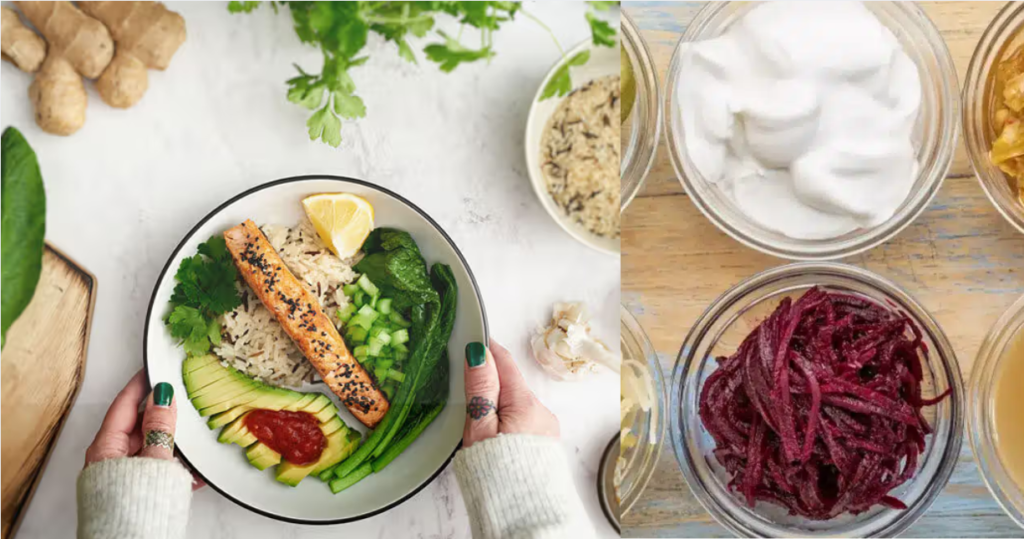
- Fatty fish (salmon, sardines)
These foods provide omega-3 fatty acids and monounsaturated fats that help reduce inflammation.
Reduce Refined Carbohydrates and Added Sugars
High sugar intake contributes to:
- Insulin resistance
- Triglyceride elevation
- Increased inflammation
Replacing refined carbs with whole grains improves metabolic health and supports arterial function.
Step-by-Step: Building a Heart-Healthy Eating Plan
If you want practical guidance, here’s how to apply nutrition for clear arteries in daily life.
Step 1: Follow a Mediterranean-Style Pattern
The Mediterranean diet consistently ranks among the best for heart health.
It emphasizes:
- Vegetables and fruits
- Whole grains
- Legumes
- Olive oil
- Moderate fish intake
- Limited processed foods
Large clinical trials show this eating pattern reduces cardiovascular events.
Step 2: Increase Plant Diversity
Aim for at least 25–30 different plant foods per week. This supports gut microbiome health, which influences inflammation and cholesterol metabolism.
This connects closely with related topics like improving gut health for heart protection and anti-inflammatory meal planning.
Step 3: Prioritize Potassium-Rich Foods
Potassium helps regulate blood pressure.
Include:
- Leafy greens
- Sweet potatoes
- Bananas
- Beans
Balanced blood pressure reduces stress on artery walls.
Step 4: Limit Processed Meats
Processed meats are associated with higher cardiovascular risk due to sodium, preservatives, and saturated fat content.
Replace with plant proteins or lean fish when possible.
Advanced Strategies Backed by Science
Once you’ve mastered the basics, you can fine-tune your nutrition plan.
Focus on LDL Particle Size
Not all LDL cholesterol behaves the same. Smaller, dense LDL particles are more likely to penetrate artery walls.
Low-carb whole-food diets, fiber intake, and healthy fats may improve LDL particle patterns.
Add Polyphenol-Rich Foods
Polyphenols support endothelial function (the inner lining of arteries).
Great sources:
- Berries
- Dark chocolate (70%+ cocoa)
- Green tea
- Pomegranates
These compounds improve nitric oxide production, helping arteries stay flexible.
Maintain a Healthy Weight
Excess visceral fat contributes to inflammation and plaque formation.
Even a modest 5–10% weight reduction improves cholesterol and blood pressure markers.
This ties into broader metabolic health strategies and insulin sensitivity improvement.
Common Myths About Clearing Arteries
Let’s address a few widespread misconceptions.
Myth 1: “You Can Detox Your Arteries in 7 Days.”
There is no scientific evidence that short-term detox plans remove plaque. Artery health improves gradually through sustained habits.
Myth 2: “All Saturated Fat Is Evil.”
The relationship between saturated fat and heart disease is complex. Whole-food sources differ from ultra-processed foods. Balance and context matter.
Myth 3: “Supplements Can Replace Diet.”
Some supplements (like omega-3s) may support heart health, but they cannot substitute for a nutrient-rich dietary pattern.
Food quality remains foundational.
Maximizing Long-Term Results
Nutrition for clear arteries works best when combined with other lifestyle factors.
Combine Diet with Movement
Regular aerobic exercise improves:
- HDL cholesterol
- Insulin sensitivity
- Endothelial function
Aim for at least 150 minutes of moderate activity weekly.
Manage Stress Levels
Chronic stress increases cortisol and inflammation, negatively impacting artery health.
Incorporate:
- Breathing exercises
- Mindfulness
- Adequate sleep
Monitor Key Biomarkers
Track:
- LDL cholesterol
- HDL cholesterol
- Triglycerides
- Blood pressure
- Fasting glucose
Regular check-ups help you measure progress and adjust your strategy.
A Realistic Perspective on Artery Health
Here’s the empowering truth: arteries are dynamic tissues. They respond to what you eat, how you move, and how you manage stress.
You don’t need extreme measures. You need consistency.
A heart-supportive eating pattern built on whole foods, fiber, healthy fats, and reduced processed ingredients can significantly lower cardiovascular risk over time.
Even if plaque already exists, improving nutrition today still benefits your future health.
Conclusion: Science Supports Sustainable Nutrition for Clear Arteries
Nutrition for clear arteries isn’t about quick fixes—it’s about building habits that reduce inflammation, improve cholesterol balance, and protect your cardiovascular system long term.
Focus on whole foods. Increase fiber. Choose healthy fats. Reduce sugar and processed items. Pair your diet with movement and stress management.
Small changes compound into powerful protection. Your arteries respond to what you do consistently—not perfectly.
Start today. Every heart-healthy meal is an investment in stronger, more resilient arteries and a longer, healthier life.
Important Disclaimer: This article is for informational purposes only and should not replace professional advice. For health-related topics, consult healthcare providers. For financial or legal matters, seek qualified professional guidance. For safety procedures, verify current best practices and local regulations. Individual results may vary, and personal circumstances should always be considered when implementing any suggestions.