A healthy gut is the cornerstone of overall wellness, affecting everything from digestion to immunity, energy levels, and even mood. But when it comes to improving gut health, many people get confused between prebiotics and probiotics. While both play crucial roles in maintaining a balanced gut microbiome, they work in different ways—and knowing the difference can transform how you approach nutrition and wellness.
In this article, we’ll explore the distinctions between prebiotics and probiotics, their unique benefits, and how you can incorporate them into your daily routine. By understanding these gut-supporting components, you’ll feel empowered to unlock better digestion, stronger immunity, and overall vitality. Whether you’re a seasoned wellness enthusiast or just starting your journey, this guide will provide practical insights and strategies to support your microbiome naturally.
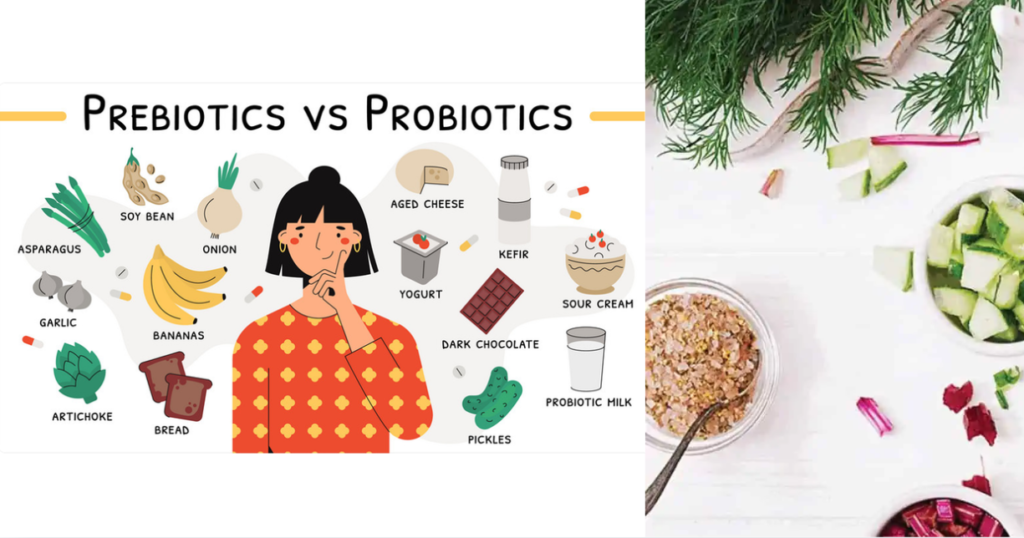
Foundation: What Are Prebiotics and Probiotics?
Before diving into practical applications, let’s define these terms and how they influence gut health.
Probiotics: The Friendly Bacteria
Probiotics are live microorganisms, often referred to as “good bacteria,” that provide health benefits when consumed in adequate amounts. They help maintain a balanced gut microbiome, aid digestion, and support the immune system. Common strains include Lactobacillus and Bifidobacterium, which are found in fermented foods and supplements.
Key points about probiotics:
- Restore gut flora after antibiotic use
- Reduce bloating and gas
- Support immune function and mental well-being
Prebiotics: The Nourishing Fiber
Prebiotics, on the other hand, are non-digestible fibers that act as food for probiotics. They help beneficial bacteria grow and thrive in your gut, promoting a balanced ecosystem. Prebiotics are naturally found in foods like garlic, onions, leeks, asparagus, bananas, and whole grains.
Key points about prebiotics:
- Feed beneficial gut bacteria
- Improve bowel regularity
- May support weight management and metabolic health
How They Work Together
Think of prebiotics and probiotics as partners in gut health: probiotics introduce beneficial bacteria, while prebiotics ensure they have the fuel to flourish. When combined, they form synbiotics, a powerful approach to improving microbiome balance and digestive health.
Step-by-Step: Incorporating Prebiotics and Probiotics into Your Diet
Understanding their benefits is only the first step. Here’s how you can use them effectively.
Step 1: Identify Rich Food Sources
Probiotic-rich foods:
- Yogurt and kefir
- Sauerkraut and kimchi
- Miso and tempeh
- Pickled vegetables
Prebiotic-rich foods:
- Garlic, onions, and leeks
- Asparagus and Jerusalem artichokes
- Bananas and apples
- Whole grains like oats and barley
Including a variety of these foods ensures your gut receives both beneficial bacteria and the fuel they need to thrive.
Step 2: Timing and Meal Pairing
For optimal results, consider these tips:
- Pair prebiotic-rich foods with probiotics to boost effectiveness.
- Incorporate fermented foods into daily meals rather than taking all supplements at once.
- Start gradually to prevent bloating or digestive discomfort.
Step 3: Consider Supplements
Supplements can help if dietary intake is insufficient. Look for:
- Probiotic supplements with multiple strains and guaranteed CFU counts.
- Prebiotic powders such as inulin or fructooligosaccharides.
- Synbiotic products combining both prebiotics and probiotics for convenience.
Always consult a healthcare provider before starting new supplements, especially if you have digestive conditions or immune concerns.
Advanced Strategies: Optimizing Gut Health
Beyond basic diet changes, there are ways to maximize the benefits of prebiotics and probiotics.
Rotate Your Foods
Eating a wide range of prebiotic and probiotic foods prevents monotony in your gut flora and encourages diverse bacterial populations.
Mind Your Lifestyle
- Manage stress: Chronic stress negatively impacts gut health.
- Exercise regularly: Physical activity supports a healthy microbiome.
- Sleep well: Quality sleep promotes digestion and bacterial balance.
Combine with Other Gut-Supportive Nutrients
- Polyphenols (found in berries and green tea) support beneficial bacteria.
- Omega-3 fatty acids (from fatty fish or flaxseed) can reduce gut inflammation.
These strategies enhance the effects of prebiotics and probiotics and contribute to holistic gut health.
Troubleshooting Common Challenges
Even with a healthy plan, digestive issues can occur. Here’s how to handle them.
Bloating and Gas
- Gradually increase fiber intake to allow bacteria to adapt.
- Drink plenty of water to help prebiotic fibers move through the digestive tract.
Antibiotic Recovery
- Antibiotics can disrupt gut flora.
- Reintroduce probiotics after a course of antibiotics to restore balance.
Dietary Sensitivities
- Some individuals may react to certain prebiotic foods like onions or garlic.
- Experiment with tolerable sources or prebiotic supplements in smaller amounts.
Maximizing Results: Long-Term Gut Health
Sustained gut health requires consistent practices, not short-term fixes.
Maintain a Diverse Diet
Eating a variety of plant-based foods feeds different bacterial strains and encourages microbiome diversity.
Regular Monitoring
- Observe how your body responds to dietary changes.
- Track digestive patterns, energy levels, and mood for signs of improvement.
Continuous Learning
Stay informed about emerging research on the microbiome, as new prebiotic and probiotic discoveries continually enhance strategies for optimal gut health.
Conclusion: Empower Your Gut Health
Understanding the key differences between prebiotics and probiotics equips you to take charge of your digestive wellness. By incorporating both into your diet, maintaining a healthy lifestyle, and monitoring your body’s response, you can enhance digestion, boost immunity, and improve overall vitality.
Start today by exploring prebiotic foods, adding fermented items to your meals, or considering a carefully chosen supplement. With informed choices, you’ll create a thriving gut ecosystem that supports your health for years to come. Your gut health is in your hands—nourish it wisely, and your body will thank you.
Important Disclaimer: This article is for informational purposes only and should not replace professional medical advice. Consult a healthcare provider for personalized guidance, especially if you have chronic digestive issues or medical conditions.