Choosing between red and yellow onions might seem like a small detail—but it can completely transform your dish. From flavor intensity to cooking performance and even nutritional value, each type of onion brings something unique to your plate.
In this guide, you’ll discover the key differences between red vs yellow onions, including taste, health benefits, and best culinary uses. Whether you’re preparing a fresh salad or a hearty cooked meal, understanding these differences will help you cook smarter and eat better.
Meta Description (150–160 characters): Discover the key differences between red vs yellow onions, including taste, nutrition, and best uses to elevate your cooking and health.
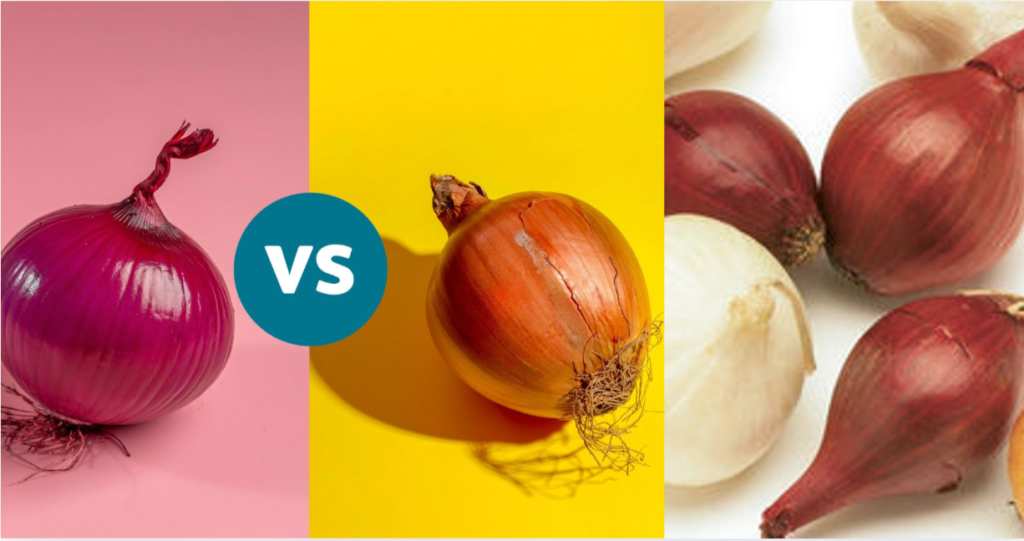
Understanding the Basics of Red vs Yellow Onions
Before diving into details, let’s explore what sets these two onions apart.
What Are Red Onions?
Red onions are easily recognizable by their deep purple-red skin and white flesh with red streaks.
Key Characteristics
- Mild to sharp flavor
- Crisp texture
- Slight sweetness when raw
They’re often used raw or lightly cooked to preserve their flavor.
What Are Yellow Onions?
Yellow onions are the most common variety, with golden-brown skin and pale yellow flesh.
Key Characteristics
- Balanced, savory flavor
- Slightly sweet when cooked
- Softens easily with heat
They are a staple in many cooked dishes.
Why the Difference Matters
The difference between red vs yellow onions comes down to:
- Flavor intensity
- Cooking behavior
- Nutritional compounds
Understanding these can help you choose the right onion for every recipe.
Taste Comparison: Bold vs Balanced
Flavor is one of the biggest deciding factors.
Red Onion Flavor Profile
Red onions have a more pronounced taste.
- Sharp and slightly spicy
- Crisp and refreshing when raw
- Mildly sweet after soaking or cooking
Yellow Onion Flavor Profile
Yellow onions are more versatile.
- Mild and savory
- Develop sweetness when caramelized
- Blend easily into dishes
Which Tastes Better?
It depends on your dish:
- Fresh salads → red onions
- Cooked meals → yellow onions
Nutritional Differences and Health Benefits
Both types are nutritious, but they offer slightly different benefits.
Key Nutrients in Red Onions
Red onions are rich in antioxidants.
Nutritional Highlights
- Anthocyanins (give the red color)
- Vitamin C
- Flavonoids
Health Benefits
- Support heart health
- Reduce inflammation
- Provide antioxidant protection
Key Nutrients in Yellow Onions
Yellow onions contain essential nutrients for daily health.
Nutritional Highlights
- Quercetin
- Sulfur compounds
- Fiber
Health Benefits
- Support immune function
- Promote digestion
- Aid detoxification
Red vs Yellow Onions: Which Is Healthier?
Both are healthy choices.
- Red onions → higher antioxidant content
- Yellow onions → better for cooking and digestion
The best option is to include both in your diet.
Step-by-Step: Choosing the Right Onion for Your Needs
Making the right choice is easier when you follow a simple approach.
Step 1: Match the Onion to Your Recipe
- Raw dishes → choose red onions
- Cooked dishes → choose yellow onions
Step 2: Consider Texture
- Red onions stay firm
- Yellow onions soften easily
Step 3: Think About Flavor Intensity
- Strong flavor → red onions
- Subtle flavor → yellow onions
Step 4: Combine for Best Results
You don’t always have to choose one.
- Mix both in salads
- Use red for garnish and yellow for cooking
Advanced Tips and Pro Cooking Strategies
Take your cooking to the next level with these expert tips.
Reduce the Sharpness of Red Onions
If red onions taste too strong:
- Soak slices in cold water for 5–10 minutes
- This reduces bitterness and sharpness
Caramelize Yellow Onions Perfectly
To unlock their sweetness:
- Cook slowly over low heat
- Stir frequently
- Be patient—this process takes time
Pairing Ideas for Maximum Flavor
- Red onions + fresh vegetables
- Yellow onions + meats and stews
- Combine both for layered flavor
Troubleshooting Common Cooking Challenges
Even simple ingredients can cause issues.
Problem: Onions Taste Too Strong
Solution:
- Use yellow onions instead
- Or soak red onions before use
Problem: Dish Lacks Flavor
Solution:
- Add sautéed yellow onions for depth
- Use caramelized onions for richness
Problem: Texture Isn’t Right
Solution:
- Use red onions for crunch
- Use yellow onions for softness
Maximizing Results: Getting the Most Out of Your Onions
Small changes can make a big difference in your cooking.
Store Onions Properly
- Keep in a cool, dry place
- Avoid moisture to prevent spoilage
Use Fresh Onions
Fresh onions have:
- Better flavor
- Higher nutrient content
Build a Balanced Diet
Include onions as part of a healthy eating pattern:
- Add to salads, soups, and stir-fries
- Combine with other vegetables
Featured Snippet: What’s the Difference Between Red and Yellow Onions?
Red onions have a sharper, more pungent flavor and are best used raw or lightly cooked, while yellow onions are milder and become sweet when cooked, making them ideal for most recipes. Both offer unique health benefits and can be used together for balanced flavor.
Internal Linking Opportunities
To enhance your cooking and nutrition knowledge, explore related topics:
- Best vegetables for heart health
- How to improve digestion naturally
- Antioxidant-rich foods and their benefits
- Healthy cooking techniques for beginners
- Simple meal prep ideas for busy lifestyles
Conclusion
When it comes to red vs yellow onions, there’s no single “best” choice—only the right one for your needs. Red onions bring bold flavor and vibrant color, while yellow onions offer versatility and depth in cooking.
By understanding their differences in taste, nutrition, and uses, you can make more confident choices in the kitchen. Start experimenting, mix both types, and discover how these simple ingredients can transform your meals.
Great cooking isn’t about complexity—it’s about using the right ingredients at the right time. And now, you have the knowledge to do exactly that.