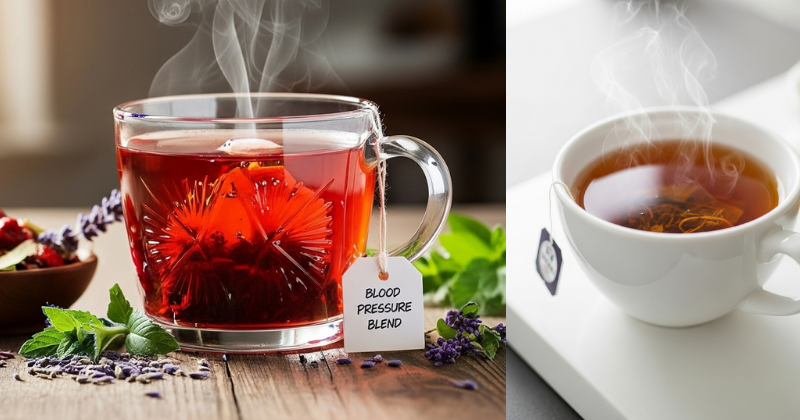
Discover how to reduce high blood pressure with herbal tea. Learn which blends work best, how to brew them for maximum benefit, and unlock a natural path to heart health.
Important Disclaimer: This article is for informational purposes only and should not replace professional advice. For health-related topics, consult healthcare providers. For financial or legal matters, seek qualified professional guidance. For safety procedures, verify current best practices and local regulations. Individual results may vary, and personal circumstances should always be considered when implementing any suggestions.
Have you ever felt the subtle thrum of a racing heart or the dull pressure of a tension headache after a stressful day? If you are managing hypertension, you know that finding gentle, sustainable ways to support your cardiovascular system is a top priority. While lifestyle changes can feel daunting, one of the most soothing rituals you can adopt is sitting down with a warm cup of infusions. You can reduce high blood pressure with herbal tea and transform your daily routine into a powerful wellness strategy.
In this guide, we are going to explore the botanical wonders that help relax blood vessels and promote circulation. You will discover how simple flowers and leaves can serve as allies in your journey toward a healthier heart. We will break down the science, the brewing methods, and the best practices for long-term success. You have the capability to take charge of your wellbeing, and a refreshing cup of tea is a beautiful place to start. Let’s dive into the world of healing herbs together!
Foundation: How Nature Supports Your Heart
Before we jump into the recipes, it is essential to build confidence in the basic concepts of herbal support. Understanding how plants interact with your body will help you choose the right blend for your needs.
The Mechanics of Vasodilation
High blood pressure often occurs when your blood vessels are too constricted or stiff. Certain herbs contain compounds that promote “vasodilation”—the widening of blood vessels. When vessels relax, blood flows more easily, which naturally lowers the pressure against artery walls. This is one of the primary ways to reduce high blood pressure with herbal tea.
Addressing Common Hesitations
Beginners often wonder if herbal tea is “strong enough” to make a difference. While tea should not replace prescribed medical treatments, clinical studies have shown that consistent consumption of specific herbs can lead to measurable improvements in systolic and diastolic readings. If you are already looking for [sustainable lifestyle changes], adding a heart-healthy tea is a low-effort, high-reward habit.
Key Components of Heart-Healthy Herbs
- Antioxidants: These protect the lining of your blood vessels from damage.
- Diuretic Properties: Some herbs help the body flush out excess sodium and water.
- Calming Agents: Reducing stress hormones like cortisol can prevent temporary pressure spikes.
Step-by-Step: Top Herbal Teas for Hypertension
Ready to start brewing? Here is a breakdown of the most effective herbs to help you reduce high blood pressure with herbal tea.
1. Hibiscus Tea (The Powerhouse)
Hibiscus is perhaps the most famous herb for heart health. It contains anthocyanins that act similarly to some common blood pressure medications by inhibiting ACE (angiotensin-converting enzyme).
- The Method: Use 2 tablespoons of dried hibiscus flowers per cup of water.
- The Routine: Aim for 2–3 cups daily to see the best results over several weeks.
2. Green Tea (The Daily Essential)
While technically a true tea rather than an “herbal” infusion, green tea is packed with catechins. These compounds improve blood flow and protect heart tissues.
- The Tip: Brew at a slightly lower temperature (around 80°C) to avoid bitterness and preserve delicate antioxidants.
3. Hawthorn Berry (The Heart Tonic)
Hawthorn has been used in traditional medicine for centuries as a natural heart tonic. It helps improve the amount of blood pumped out of the heart during contractions.
- The Method: Steep dried berries for at least 15 minutes to extract the deep medicinal properties.
Advanced Strategies: Maximizing the Potency of Your Brew
Once you have the basics down, you can share expert-level insights by fine-tuning your preparation methods.
The Art of the “Medicinal Infusion”
There is a big difference between a quick dip of a tea bag and a medicinal infusion. To truly reduce high blood pressure with herbal tea, you want to extract as many active compounds as possible.
- Pro-Tip: Use a lid while steeping. This prevents volatile oils and beneficial steam from escaping your cup.
- Timing: Steep your herbal blends for 10–20 minutes rather than the standard 3 minutes for black tea.
Synergistic Blending
You can achieve even better results by combining herbs. For example, mixing hibiscus with a bit of lemon balm can target both the physical constriction of vessels and the mental stress that triggers high readings. If you have a [sustainable garden], you might even be able to grow these ingredients yourself, deepening your connection to your healing process.
Creative Customization
Don’t be afraid to experiment with natural flavor enhancers. If you have [just started using cinnamon], you’ll be pleased to know it also has mild blood-pressure-lowering effects and adds a natural sweetness without the need for sugar.
Troubleshooting: Common Challenges and Solutions
Even with the best intentions, you might face some obstacles. Here is how to navigate frequent challenges with encouragement.
“I don’t like the tart taste of hibiscus.”
- The Solution: Hibiscus can be quite “zingy.” Try blending it with peppermint or a small amount of stevia leaf for sweetness. You can also drink it cold as a refreshing iced tea, which often mellows the flavor.
“I’m worried about interactions with my medication.”
- Preventive Measures: This is a valid concern. Always consult your doctor before starting a heavy herbal regimen. Herbs like hawthorn can be very potent and may enhance the effects of your current medicine, requiring a dosage adjustment by your healthcare provider.
“I forget to drink it during my busy day.”
- Alternative Approach: Batch-brew a large pitcher in the morning and keep it on your desk or in your fridge. Think of it as your “heart-health water.” Making it accessible is the key to consistency.
Maximizing Results: A Holistic Heart-Health Approach
To build upon your success with tea, look at your cardiovascular health through a wider lens.
Complementary Strategies
Tea works best when it’s part of a supportive environment. For instance, while you enjoy your evening cup, you could practice [simple evening rituals that help your body heal while you sleep]. Combining your tea ritual with deep breathing or meditation can amplify the blood-pressure-lowering effects of the herbs.
The Role of Diet and Movement
While you reduce high blood pressure with herbal tea, remember the basics. Reducing sodium and increasing potassium (found in bananas and sweet potatoes) creates the perfect internal environment for your tea to work. If you have recently tried a [14 days without sugar] challenge, you’ve already reduced inflammation, making your heart’s job much easier.
Featured Snippet: What is the best tea for high blood pressure?
Hibiscus tea is widely considered the best herbal tea for reducing high blood pressure. Clinical studies have shown that drinking three cups of hibiscus tea daily can significantly lower systolic blood pressure in adults with pre-hypertension or mild hypertension. Its effectiveness is attributed to its high concentration of anthocyanins and organic acids that act as natural ACE inhibitors and diuretics.
Conclusion
The journey to reduce high blood pressure with herbal tea is one of the most enjoyable and calming paths to wellness. You have discovered that you have the capability to succeed in supporting your heart using the simple power of plants. By choosing the right herbs and brewing them with intention, you achieve a proactive role in your cardiovascular health.
You’ve got this! Start today by picking up some high-quality organic hibiscus or hawthorn tea. Take ten minutes this afternoon to sit quietly, breathe deeply, and enjoy your first healing cup. Your heart will thank you for this moment of peace and the natural support you are providing.