
The crystalline sweetness sitting in your kitchen cupboard possesses properties that extend far beyond culinary applications, representing a dermatological tool whose molecular architecture aligns remarkably with the physiological requirements of epidermal renewal. When dermatologists incorporate sugar-based treatments into clinical protocols, they’re leveraging a complex interplay of mechanical exfoliation, humectant properties, and glycolic acid precursors that work synergistically to promote cellular turnover without compromising the skin’s protective barrier. This multifaceted approach to skin renewal demonstrates how simple carbohydrates can function as sophisticated therapeutic agents.
The integration of sugar into evidence-based dermatological practice reflects a broader paradigm shift toward recognizing naturally occurring compounds that demonstrate clinical efficacy comparable to synthetic alternatives. Understanding the biochemical mechanisms underlying sugar’s dermatological applications reveals why this humble ingredient has earned its place in professional skincare protocols and home treatment regimens alike.
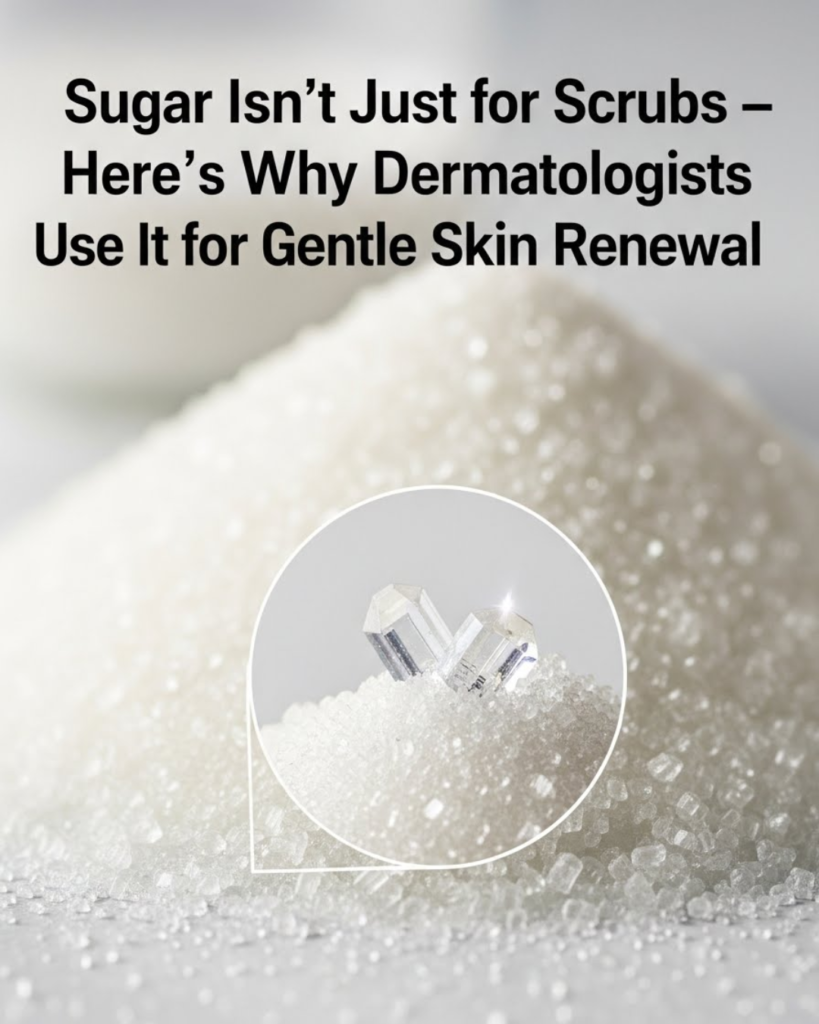
Molecular Foundations: The Biochemistry of Sugar in Dermatological Applications
Sugar’s effectiveness in skin renewal stems from its unique molecular properties and the multiple pathways through which it interacts with cutaneous tissue at both structural and cellular levels.
Mechanical Exfoliation: Particle Size and Surface Interaction
The crystalline structure of sugar provides variable particle sizes that can be strategically selected based on therapeutic objectives. Granulated sugar, with particles ranging from 0.5 to 2 millimeters, offers gentle mechanical abrasion that removes the stratum corneum’s superficial layers without causing microtraumas to underlying viable epidermis. This selective removal process stimulates the basal layer’s mitotic activity, accelerating the natural desquamation cycle from approximately 28 days to a more efficient 21-day turnover.
The hygroscopic nature of sugar crystals introduces an additional advantage: as particles contact skin moisture, they begin dissolving, creating a progressive reduction in abrasiveness throughout application. This self-limiting mechanism prevents over-exfoliation, a common complication with inert abrasive materials like ground nut shells or synthetic microbeads that maintain constant abrasive potential regardless of application duration.
Humectant Properties: Transepidermal Water Regulation
Sugar molecules function as effective humectants, binding water molecules through multiple hydroxyl groups that create hydrogen bonds with H₂O. When applied topically, sugar draws moisture from the dermis to the epidermis while simultaneously preventing transepidermal water loss (TEWL) to the external environment. This bidirectional hydration optimization maintains stratum corneum plasticity, essential for preventing the micro-fissures that compromise barrier function.
Clinical studies demonstrate that topical application of sugar solutions increases stratum corneum hydration by 15-20% within the first hour of application, with effects persisting for 6-8 hours post-treatment. This sustained hydration creates an optimal environment for enzymatic processes involved in desquamation and cellular renewal.
Glycolic Acid Precursors: Chemical Exfoliation Synergy
Perhaps most intriguing from a biochemical perspective is sugar’s relationship to alpha-hydroxy acids (AHAs). When sugar undergoes oxidation in the presence of certain enzymes naturally occurring on skin surfaces, it generates glycolic acid—the smallest AHA molecule and one of dermatology’s most studied chemical exfoliants. While this conversion occurs at modest rates in topical applications, it introduces a subtle chemical exfoliation component that complements mechanical action.
This dual-action mechanism—simultaneous mechanical and chemical exfoliation—explains why dermatologists observe superior clinical outcomes with sugar-based treatments compared to purely mechanical or purely chemical approaches applied independently.
Clinical Applications: Evidence-Based Protocols for Skin Renewal
Professional dermatological practice has developed specific protocols that optimize sugar’s therapeutic potential across various cutaneous conditions and treatment objectives.
Treatment of Hyperkeratotic Disorders
Conditions characterized by excessive keratinocyte accumulation, such as keratosis pilaris and ichthyosis vulgaris, respond particularly well to sugar-based exfoliation protocols. The combination of mechanical desquamation and enhanced hydration addresses both the symptomatic presentation and underlying pathophysiology of these disorders.
Clinical protocol involves creating a paste of fine sugar (particle size 0.3-0.5mm) with a lipid carrier—typically coconut oil or jojoba oil for their favorable fatty acid profiles. Application occurs in circular motions for 2-3 minutes, focusing on affected areas. The lipid component delivers essential fatty acids that support barrier repair while the sugar addresses hyperkeratosis mechanically.
Management of Photo-Damaged Skin
Chronic ultraviolet exposure induces irregular thickening of the stratum corneum alongside aberrant melanin distribution. Sugar exfoliation accelerates removal of these dysplastic surface cells while the humectant properties support the recovery of photo-damaged collagen and elastin networks through improved dermal hydration.
Dermatologists typically recommend biweekly sugar treatments for patients presenting with mild to moderate photodamage, combined with comprehensive photoprotection protocols. This conservative frequency prevents over-exfoliation while maintaining consistent stimulation of cellular renewal.
Optimization of Product Penetration
A frequently overlooked application involves using sugar exfoliation as a preparatory step before applying active pharmaceutical ingredients. Removal of excess stratum corneum reduces the diffusion barrier that topical medications must traverse, enhancing bioavailability of active compounds. Studies show that appropriate pre-treatment exfoliation can increase tretinoin penetration by 40-60%, allowing for lower concentrations that minimize irritation while maintaining therapeutic efficacy.
Advanced Formulation Strategies: Customizing Sugar Treatments for Individual Needs
The versatility of sugar as a base ingredient allows for sophisticated formulation modifications that address specific dermatological concerns and individual skin characteristics.
Particle Size Selection
Fine sugar (confectioner’s sugar) with particle sizes under 0.2mm suits sensitive skin phenotypes and facial applications where aggressive exfoliation risks irritation. Standard granulated sugar serves most body applications effectively. Coarse sugar crystals, approaching 3mm, benefit extremely hyperkeratotic areas like heels and elbows where robust mechanical action is both safe and necessary.
This gradient approach to particle selection demonstrates the importance of matching intervention intensity to tissue characteristics and treatment objectives—a fundamental principle in evidence-based dermatology.
Carrier Oil Integration
The lipid component of sugar formulations significantly influences clinical outcomes. Different carrier oils provide distinct fatty acid profiles and additional bioactive compounds:
Jojoba oil (Simmondsia chinensis) closely mimics human sebum composition, making it particularly suitable for normalizing dysregulated sebaceous function. Its high content of long-chain monounsaturated fatty acids supports barrier repair without comedogenic potential.
Coconut oil (Cocos nucifera) provides medium-chain triglycerides with documented antimicrobial properties against Staphylococcus aureus and Candida species, beneficial for skin prone to secondary infections. However, its moderate comedogenic rating necessitates caution in individuals with acne-prone skin.
Sweet almond oil (Prunus dulcis) offers high concentrations of oleic and linoleic acids that demonstrate anti-inflammatory properties through prostaglandin pathway modulation, advantageous for inflammatory dermatoses.
Botanical Additive Enhancement
Incorporation of botanicals with specific bioactive compounds can augment sugar’s baseline therapeutic effects. Chamomile extract (Matricaria chamomilla) provides apigenin and bisabolol, compounds demonstrating anti-inflammatory action through inhibition of cyclooxygenase and lipoxygenase pathways. Calendula (Calendula officinalis) contributes triterpene saponins that accelerate wound healing through enhanced fibroblast proliferation.
Green tea extract (Camellia sinensis) supplies epigallocatechin gallate (EGCG), a polyphenol with potent antioxidant capacity that neutralizes free radicals generated during the exfoliation process, minimizing oxidative stress to newly exposed cellular layers.
Addressing Safety Considerations and Potential Complications
While sugar-based treatments demonstrate favorable safety profiles compared to many chemical exfoliants, appropriate application protocols and contraindication awareness remain essential for optimal outcomes.
Frequency and Intensity Calibration
Over-exfoliation represents the primary risk associated with mechanical renewal techniques. Excessive frequency or overly aggressive application disrupts the stratum corneum’s barrier function, increasing TEWL, compromising antimicrobial defenses, and paradoxically triggering compensatory hyperkeratosis.
Evidence-based recommendations suggest limiting sugar exfoliation to 1-2 times weekly for facial applications and 2-3 times weekly for body regions with thicker stratum corneum. Individuals with compromised barrier function, including those with atopic dermatitis or rosacea, require reduced frequency or may benefit more from purely chemical exfoliation approaches that avoid mechanical trauma.
Contraindications and Special Populations
Active inflammatory conditions, open wounds, active herpes simplex infections, and recent chemical peels represent absolute contraindications to mechanical exfoliation. The introduction of abrasive materials to compromised tissue risks bacterial inoculation and delayed healing.
Patients receiving isotretinoin therapy or other retinoid treatments require special consideration, as these medications already enhance cellular turnover and thin the stratum corneum. Combining retinoid therapy with aggressive mechanical exfoliation can result in significant irritation and barrier disruption.
Managing Adverse Reactions
Despite appropriate protocols, some individuals experience unintended reactions. Immediate erythema following treatment typically resolves within 2-4 hours and represents normal hyperemia from increased dermal blood flow. Persistent redness exceeding 12 hours suggests excessive mechanical trauma, necessitating treatment cessation and barrier repair focus.
Transient stinging or burning sensations during application, particularly on facial skin, may indicate micro-abrasions or application to areas with compromised barrier function. Discontinuation and assessment of underlying skin condition should precede any treatment resumption.
Integration into Comprehensive Skin Health Protocols
Sugar-based renewal treatments achieve optimal results when integrated into holistic skincare approaches that address multiple aspects of cutaneous health.
Synergy with Photoprotection
Exfoliation removes photodamaged keratinocytes but simultaneously increases UV sensitivity of newly exposed cellular layers. Dermatologists emphasize that any exfoliation protocol must coincide with rigorous photoprotection—minimum SPF 30 broad-spectrum sunscreen applied every two hours during sun exposure. This combination allows for damage repair while preventing accumulation of new photoinjury.
Complementary Hydration Strategies
Following sugar treatment, application of occlusives and emollients maximizes the enhanced penetration capacity of the temporarily thinned stratum corneum. Ingredients like hyaluronic acid, which binds up to 1000 times its weight in water, or ceramide-containing formulations that replenish intercellular lipids, demonstrate particular efficacy in this post-exfoliation window.
Long-Term Maintenance Philosophy
Rather than viewing sugar exfoliation as an isolated treatment, dermatological best practice frames it as one component of ongoing skin maintenance. Consistent, appropriately calibrated exfoliation maintains optimal cellular turnover rates, prevents hyperkeratotic buildup, and sustains the skin’s responsiveness to other therapeutic interventions.
This perspective shift from reactive treatment to proactive maintenance aligns with contemporary dermatology’s emphasis on preserving skin health rather than merely addressing established pathology.
Comparative Analysis: Sugar Versus Alternative Exfoliation Modalities
Understanding sugar’s position within the broader landscape of exfoliation options enables informed decision-making regarding optimal treatment selection for individual needs.
Mechanical Exfoliants Comparison
Compared to salt-based scrubs, sugar demonstrates superior gentleness due to its progressive dissolution during application and smaller average particle size. Unlike polyethylene microbeads, which have been phased out due to environmental concerns, sugar is completely biodegradable and poses no ecological threat.
Natural alternatives like ground nut shells or fruit seed powders often present irregular particle geometries that create more traumatic interactions with skin surfaces. Sugar’s more uniform crystalline structure provides consistent, predictable mechanical action.
Chemical Exfoliants Relationship
Sugar occupies a unique position between purely mechanical and purely chemical exfoliation. While traditional AHAs like glycolic and lactic acid work exclusively through chemical dissolution of intercellular bonds, sugar combines gentle mechanical action with modest chemical effects from its partial conversion to glycolic acid.
This dual mechanism may explain clinical observations that sugar treatments produce less irritation than equivalent chemical exfoliation protocols while achieving comparable desquamation outcomes.
The scientific validation of sugar in dermatological applications demonstrates how rigorous investigation of traditional practices can reveal sophisticated mechanisms underlying seemingly simple interventions. The molecular properties that make sugar an effective skin renewal agent—its graduated mechanical action, humectant capacity, and biochemical versatility—position it as a valuable tool in evidence-based skincare. When applied according to established clinical protocols with appropriate consideration for individual skin characteristics, sugar-based treatments offer accessible, cost-effective skin renewal that honors both therapeutic efficacy and safety. This represents not a return to primitive practices but rather the integration of naturally occurring compounds into contemporary dermatological frameworks guided by molecular understanding and clinical evidence.
Important Disclaimer: This article is for informational purposes only and should not replace professional advice. For health-related topics, consult healthcare providers. Individual results may vary, and personal circumstances should always be considered when implementing any suggestions.