Meta Description: Learn about the body’s three major fluid systems—blood, lymphatic fluid, and interstitial fluid—and how they maintain physiological balance and overall health.
The human body depends on a highly coordinated network of fluid systems to transport nutrients, regulate temperature, support immunity, and maintain cellular health. These systems constantly interact to preserve homeostasis, the body’s internal physiological balance.
The three principal fluid systems are:
- The blood vascular system
- The lymphatic system
- The interstitial fluid system
Understanding how these systems function together helps explain circulation, swelling, immune defense, and fluid balance throughout the body.
Why Body Fluid Systems Matter
Body fluids are essential for:
- Oxygen delivery
- Nutrient transport
- Waste removal
- Immune surveillance
- Tissue hydration
Disruption in any fluid system may contribute to disease or swelling.
Featured Snippet: What are the body’s three major fluid systems?
The body’s three major fluid systems are the blood vascular system, the lymphatic system, and interstitial fluid, which work together to maintain circulation, immunity, and tissue balance.
1. The Blood Vascular System
The blood vascular system circulates blood through arteries, veins, and capillaries.
Main components
- Heart
- Arteries
- Veins
- Capillaries
- Blood plasma and cells
Primary functions
Oxygen transport
Carries oxygen from the lungs to tissues.
Nutrient delivery
Supplies glucose, amino acids, vitamins, and minerals.
Waste removal
Removes carbon dioxide and metabolic waste.
Hormone transport
Distributes chemical messengers throughout the body.
Physiological importance
The vascular system maintains:
- Blood pressure
- Organ perfusion
- Temperature regulation
Featured Snippet: What does the blood vascular system do?
The blood vascular system transports oxygen, nutrients, hormones, and waste products throughout the body while supporting circulation and organ function.
2. The Lymphatic System
The lymphatic system is a drainage and immune-support network.
Main components
- Lymphatic vessels
- Lymph nodes
- Spleen
- Thymus
- Lymph fluid
Primary functions
Fluid recovery
Returns excess tissue fluid back to circulation.
Immune defense
Filters pathogens and supports immune cell activity.
Fat absorption
Absorbs dietary fats from the intestines.
What is lymph?
Lymph is a clear fluid containing:
- Immune cells
- Proteins
- Cellular waste
- Excess interstitial fluid
Featured Snippet: What is the lymphatic system?
The lymphatic system is a network of vessels and organs that helps regulate fluid balance, absorb fats, and support immune defense.
3. Interstitial Fluid System
Interstitial fluid surrounds and bathes the body’s cells.
Where it is found
- Between cells
- Within tissues outside blood vessels
Primary functions
Nutrient exchange
Allows diffusion of oxygen and nutrients to cells.
Waste collection
Collects metabolic waste from tissues.
Cellular environment maintenance
Maintains stable conditions for cell function.
Why it matters
Interstitial fluid acts as the “bridge” between:
- Blood circulation
- Cellular metabolism
- Lymphatic drainage
Featured Snippet: What is interstitial fluid?
Interstitial fluid is the fluid surrounding body cells that enables nutrient delivery, waste exchange, and tissue hydration.
How These Systems Work Together
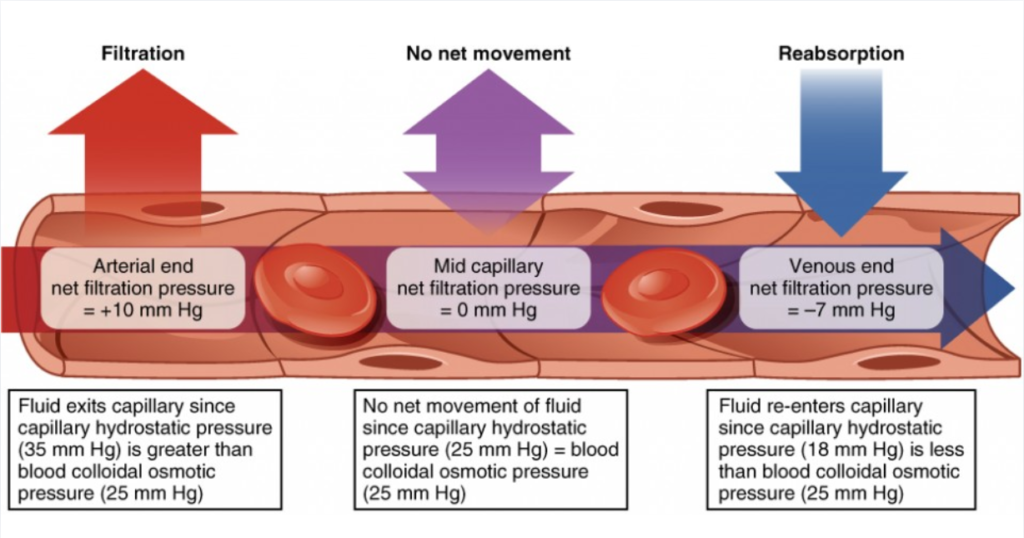
The three systems function as an integrated network.
Step 1: Blood delivers nutrients
Capillaries release oxygen and nutrients into tissues.
Step 2: Interstitial fluid bathes cells
Cells absorb nutrients and release waste.
Step 3: Lymphatic system drains excess fluid
Extra fluid and proteins are collected as lymph and returned to circulation.
Result: Physiological balance
Together, these systems maintain:
- Tissue hydration
- Immune protection
- Stable blood volume
Fluid Balance and Homeostasis
The body carefully regulates fluid movement.
Key mechanisms include
- Osmotic pressure
- Hydrostatic pressure
- Electrolyte balance
- Hormonal control
Important hormones
- Antidiuretic hormone (ADH)
- Aldosterone
- Atrial natriuretic peptide (ANP)
Featured Snippet: How does the body maintain fluid balance?
The body maintains fluid balance through blood circulation, lymphatic drainage, osmotic regulation, and hormones that control water and electrolyte levels.
What Happens When Fluid Systems Become Imbalanced?
1. Edema (swelling)
Occurs when excess fluid accumulates in tissues.
Possible causes
- Heart failure
- Kidney disease
- Lymphatic obstruction
2. Dehydration
Reduced body fluid volume may impair:
- Circulation
- Cellular function
- Temperature regulation
3. Lymphedema
Occurs when lymphatic drainage is impaired.
4. Circulatory disorders
Poor blood flow may reduce tissue oxygenation.
Clinical Importance of Fluid Systems
Understanding body fluids is essential in:
- Cardiology
- Nephrology
- Immunology
- Critical care medicine
- Sports physiology
Common diagnostic indicators
- Blood pressure
- Electrolyte levels
- Edema assessment
- Lymph node examination
Supporting Healthy Fluid Balance
1. Adequate hydration
Water supports circulation and cellular function.
2. Regular movement
Helps venous and lymphatic return.
3. Balanced nutrition
Electrolytes and protein support fluid regulation.
4. Cardiovascular health maintenance
Healthy circulation supports tissue perfusion.
5. Lymphatic support
Movement and compression therapy may assist lymph flow in some conditions.
Common Misconceptions
Myth 1: All body fluid is blood
Reality: Much body fluid exists outside blood vessels.
Myth 2: Swelling always means excess water intake
Reality: Many diseases alter fluid distribution and drainage.
Myth 3: The lymphatic system only affects immunity
Reality: It also plays a major role in fluid balance.
Internal Linking Opportunities
This topic connects well with:
- Edema and swelling physiology
- Cardiovascular circulation
- Lymphatic disorders and lymphedema
- Kidney function and electrolyte balance
- Homeostasis and cellular physiology
Conclusion
The body’s three principal fluid systems—the vascular, lymphatic, and interstitial systems—work continuously together to maintain physiological stability. These systems ensure nutrient delivery, waste removal, immune defense, and fluid equilibrium at the cellular level.
Understanding their interaction provides valuable insight into circulation, swelling, hydration, and many disease processes that affect overall health.
Important Disclaimer: This article is for educational purposes only and should not replace professional medical advice or diagnosis. Persistent swelling, dehydration, or circulatory symptoms should be evaluated by a healthcare professional.