Meta Description: Explore how honey and culinary blends can elevate flavor profiles in cooking, enhancing sweetness, balance, aroma, and texture in gourmet dishes.
Honey is one of the most versatile ingredients in the culinary world. Beyond simple sweetness, it offers complex floral notes, acidity balance, and aromatic depth that can transform both savory and sweet dishes.
When used strategically in culinary blends, honey becomes a powerful tool for chefs and home cooks aiming to create layered, gourmet flavor profiles.
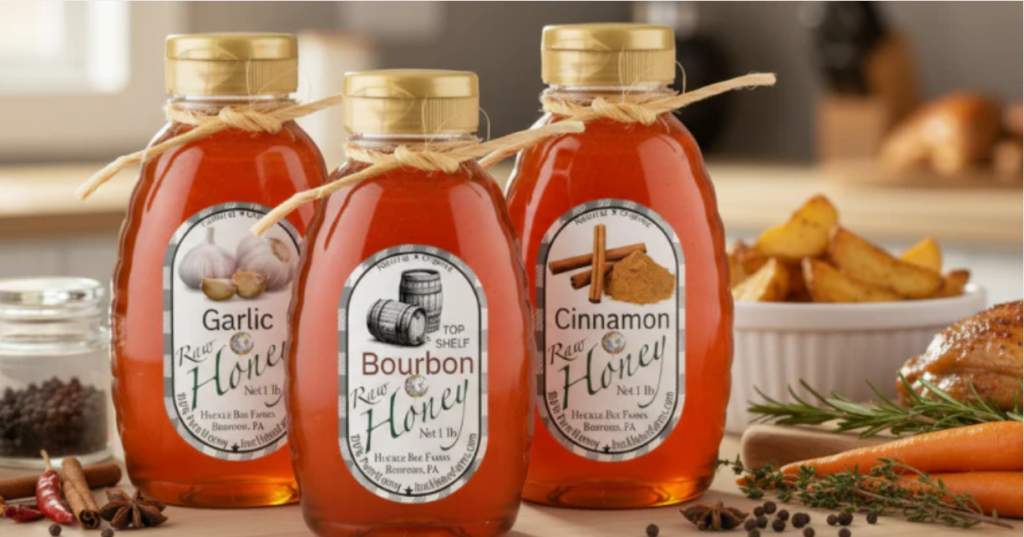
Featured Snippet: How is honey used in cooking?
Honey is used in cooking to add natural sweetness, balance acidity, enhance caramelization, and deepen flavor complexity in both sweet and savory dishes.
Why Honey Works in Gourmet Cooking
Honey is more than a sweetener—it is a flavor enhancer.
Key properties
- Natural sugars (glucose and fructose)
- Floral and regional flavor variations
- Moisture-retaining ability
- Mild acidity
Culinary impact
- Enhances browning (Maillard reaction support)
- Balances salty or acidic ingredients
- Adds aromatic complexity
1. Honey in Sweet Culinary Blends
Common applications
- Desserts
- Baked goods
- Fruit-based dishes
- Yogurt and creams
Flavor pairing ideas
- Honey + cinnamon
- Honey + vanilla
- Honey + citrus zest
Result
Creates depth beyond simple sugar sweetness.
2. Honey in Savory Dishes
Honey plays a major role in modern gastronomy.
Applications
- Glazes for meat and poultry
- Salad dressings
- Marinades
- Roasted vegetables
Example pairings
- Honey + mustard
- Honey + soy sauce
- Honey + garlic
Featured Snippet: Can honey be used in savory cooking?
Yes, honey is widely used in savory cooking to balance acidity, enhance caramelization, and create complex flavor profiles in marinades, sauces, and glazes.
3. Honey-Based Marinades
How it works
Honey helps:
- Tenderize proteins (mild enzymatic effect)
- Improve caramelized crust formation
- Balance salt and acidity
Common combinations
- Honey + lemon + olive oil
- Honey + chili + soy sauce
- Honey + vinegar + herbs
4. Honey in Beverage Formulations
Uses
- Herbal teas
- Infused waters
- Cocktails and mocktails
- Warm wellness drinks
Flavor enhancement
Honey smooths bitterness and enhances aromatic notes.
5. Culinary Blends: Building Flavor Layers
Modern gourmet cooking relies on balance:
- Sweet
- Sour
- Salty
- Bitter
- Umami
Honey acts as a bridge ingredient between these taste profiles.
Example flavor architecture
- Sweet (honey) + acid (lemon) + fat (olive oil) + salt (sea salt)
This creates complexity and depth.
Featured Snippet: Why is honey important in flavor balance?
Honey is important because it balances acidity and saltiness while enhancing sweetness and aroma, helping create complex and well-rounded flavor profiles.
6. Honey and Spice Synergy
Common spice pairings
- Honey + ginger
- Honey + turmeric
- Honey + chili
- Honey + black pepper
Culinary effect
- Sweet heat balance
- Aromatic depth
- Layered taste perception
7. Honey in Fermented and Functional Foods
Applications
- Yogurt toppings
- Fermented drinks
- Kombucha blends
Functional benefit
Supports palatability of sour fermented foods.
Health Considerations of Honey
While honey has culinary value, it is still a sugar source.
Benefits
- Natural antioxidant compounds
- Potential antimicrobial properties
- Easier flavor integration than refined sugar
Considerations
- High glycemic impact in large amounts
- Not suitable for infants
- Should be used in moderation
Featured Snippet: Is honey healthier than sugar?
Honey contains trace antioxidants and minerals, but both honey and sugar should be consumed in moderation as they primarily provide added sugars.
Choosing the Right Type of Honey
Different honeys create different flavor profiles:
- Floral honey → mild sweetness
- Dark honey → stronger, more robust flavor
- Manuka-type honey → earthy and medicinal notes
Internal Linking Opportunities
This topic connects well with:
- Blood sugar metabolism and glycemic response
- Antioxidants in natural foods
- Culinary chemistry (Maillard reaction)
- Gut health and natural sweeteners
- Functional foods and nutrition
Conclusion
Honey is a powerful culinary ingredient that goes far beyond sweetness. When used in both sweet and savory applications, it enhances complexity, balances flavors, and supports gourmet-level cooking creativity. Its versatility makes it a key element in modern flavor architecture.
Used thoughtfully, honey becomes not just an ingredient—but a bridge between taste, aroma, and texture.
Important Disclaimer: This article is for educational and culinary purposes only. Individuals with diabetes or metabolic conditions should monitor honey intake carefully and consult healthcare professionals when needed.