Meta Description: Discover a balanced lifestyle approach for PCOD (Polycystic Ovary Disease) including nutrition, exercise, stress management, and daily habits to support hormonal balance and overall well-being.
Polycystic ovary syndrome is a common hormonal condition that can influence menstrual cycles, metabolism, skin health, and emotional well-being. While there is no single “cure,” daily lifestyle habits can play a powerful role in supporting hormonal balance and improving symptoms.
A PCOD wellness routine focuses on consistency rather than restriction—helping the body regulate hormones, improve insulin sensitivity, and support long-term health.
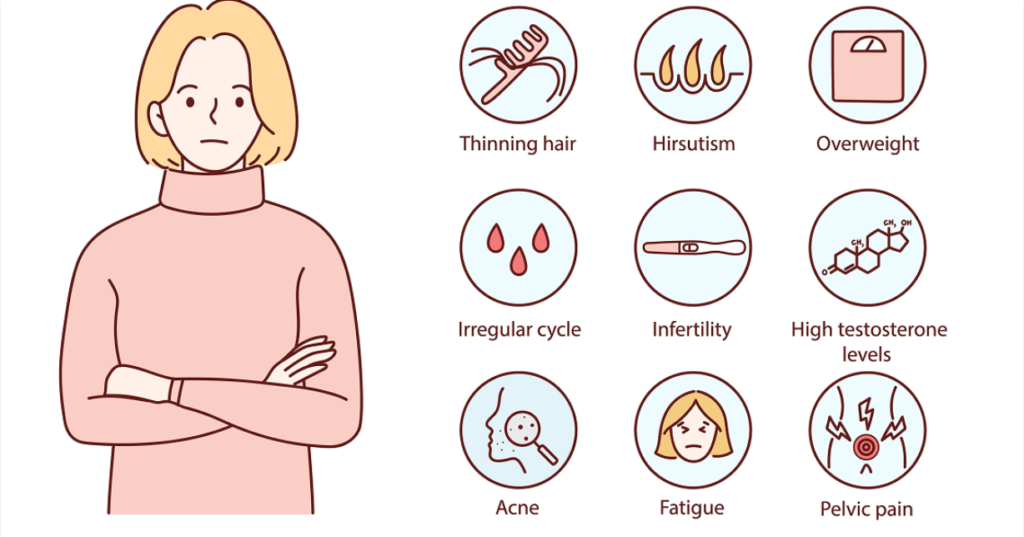
Featured Snippet: What is the best routine for PCOD management?
The best routine for PCOD includes a balanced low-glycemic diet, regular physical activity, stress reduction, adequate sleep, and weight management strategies that support hormonal and insulin balance.
Understanding PCOD and the Body
PCOD is closely linked to:
- Hormonal imbalance (androgens)
- Irregular ovulation
- Insulin resistance
- Inflammation
These factors can affect:
- Menstrual regularity
- Energy levels
- Weight management
- Skin and hair health
Related concept
Insulin resistance
1. Nutrition for Hormonal Balance
Food plays a central role in managing PCOD symptoms.
Focus on:
- Low glycemic index foods (whole grains, legumes)
- High fiber vegetables
- Lean proteins
- Healthy fats (nuts, seeds, olive oil)
Limit:
- Refined sugar
- Processed foods
- Sugary beverages
Related concept
Glycemic index
2. Regular Physical Activity
Exercise helps improve insulin sensitivity and hormone regulation.
Recommended activities:
- Brisk walking
- Strength training
- Yoga
- Swimming
Even 30 minutes daily can make a difference.
Related concept
Metabolic health
3. Stress Management for Hormonal Balance
Chronic stress can worsen hormonal imbalance.
Helpful practices:
- Deep breathing exercises
- Meditation
- Journaling
- Mindful walking
Related concept
Cortisol
4. Prioritizing Quality Sleep
Sleep supports hormone regulation and metabolic recovery.
Tips:
- Maintain consistent sleep schedule
- Avoid screens before bed
- Create a calm sleep environment
Related concept
Circadian rhythm
5. Weight Management (if needed)
Even modest weight changes can improve symptoms in some individuals.
Focus on:
- Sustainable habits
- Balanced meals
- Regular activity
Avoid extreme dieting, which may worsen hormonal imbalance.
6. Skin and Hair Care Awareness
PCOD may be associated with:
- Acne
- Oily skin
- Hair thinning or excess hair growth
These symptoms are hormone-related, not cosmetic alone.
Related condition
Hirsutism
7. Hydration and Digestive Support
Hydration supports:
- Metabolism
- Detoxification processes
- Skin health
Fiber intake supports:
- Gut health
- Blood sugar balance
Related condition
Dehydration
8. Medical Monitoring and Support
Regular check-ups may include:
- Hormone levels
- Blood sugar tests
- Lipid profile
- Ultrasound evaluations
Early monitoring helps prevent complications.
Featured Snippet: Can lifestyle changes improve PCOD?
Yes. Regular exercise, a balanced low-glycemic diet, stress management, and weight control can significantly improve symptoms of PCOD and support hormonal balance.
Emotional Well-being and PCOD
PCOD may affect mood and self-esteem due to:
- Hormonal fluctuations
- Skin or hair changes
- Chronic symptoms
Support strategies:
- Counseling or therapy
- Support groups
- Stress-reducing activities
Common Myths About PCOD
Myth: PCOD always causes infertility
Many individuals with PCOD can conceive with proper management.
Myth: Only overweight people have PCOD
PCOD can affect individuals of different body types.
Myth: Medication alone is enough
Lifestyle habits are a key part of long-term management.
Internal Linking Opportunities
This topic connects well with:
- Hormonal health
- Insulin resistance and metabolism
- Healthy weight management
- Stress and cortisol balance
- Women’s reproductive health
Conclusion
A PCOD wellness routine is about building sustainable daily habits that support hormonal balance, metabolic health, and emotional well-being. Through balanced nutrition, regular exercise, stress management, and consistent sleep, many individuals can significantly improve symptoms and enhance quality of life.
The goal is not perfection, but steady, supportive care for the body and mind.
Important Disclaimer: This article is for educational purposes only and should not replace professional medical advice. Individuals with PCOD should consult a qualified healthcare provider for personalized diagnosis and treatment.