Have you ever paused to think about the incredible structure that carries you through every step of your day? Our feet are marvels of engineering, balancing strength, flexibility, and resilience all in one. Understanding the anatomy of our feet isn’t just fascinating—it can transform how you care for them, prevent injuries, and improve overall well-being. From bones and muscles to ligaments and nerves, each part plays a critical role in supporting your body.
This guide will take you on a journey into the secret world beneath us, revealing the complexity of foot anatomy, how it influences movement, and why proper care is essential. By the end, you’ll appreciate the hidden intricacies of your feet and discover practical tips to maintain their health and mobility. Whether you’re an athlete, a frequent walker, or simply curious about your body, these insights will empower you to take action for stronger, healthier feet.
Understanding Foot Anatomy: The Foundation
Before diving into care and advanced tips, it’s essential to grasp the basic structure and components of your feet.
Bones: The Framework
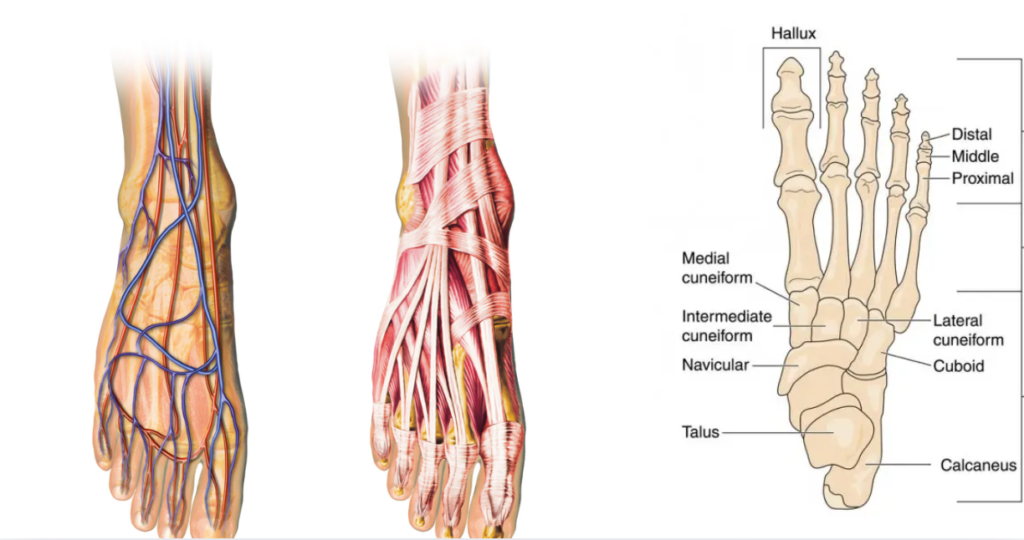
Your feet contain 26 bones each, forming a strong yet flexible scaffold. These bones are categorized as:
- Tarsals: Seven bones forming the heel and ankle.
- Metatarsals: Five long bones connecting the tarsals to your toes.
- Phalanges: Fourteen toe bones enabling balance and propulsion.
This skeletal network distributes your body weight and adapts to different surfaces, showcasing incredible natural engineering.
Muscles and Tendons: Movement and Stability
Muscles and tendons allow for motion and stability:
- Intrinsic muscles: Small muscles inside the foot, controlling toe movement and arch support.
- Extrinsic muscles: Located in the lower leg, enabling larger movements like pointing or flexing your foot.
- Achilles tendon: The strongest tendon in the body, connecting the calf muscles to the heel for walking, running, and jumping.
Together, these structures ensure fluid motion and prevent injuries.
Ligaments: The Connective Glue
Ligaments hold bones together, providing essential support. The plantar fascia, a thick ligament along the bottom of your foot, maintains the arch and absorbs shock. Healthy ligaments prevent sprains, strains, and chronic foot pain.
Step-by-Step: How Feet Function in Daily Life
Understanding anatomy is only the beginning. Let’s explore how your feet work every day and why each part matters.
Walking and Weight Distribution
When you walk, your feet perform a complex sequence:
- Heel strike: The heel absorbs initial impact.
- Midstance: Weight shifts along the arch, supported by ligaments and muscles.
- Toe-off: The toes propel the body forward, powered by tendons and intrinsic muscles.
This cycle repeats thousands of times daily, highlighting why foot care is critical.
Balancing and Shock Absorption
Your arches act as natural shock absorbers:
- Medial arch: Runs along the inner foot, preventing overpronation.
- Lateral arch: Provides balance and stability on uneven terrain.
- Transverse arch: Spans the foot’s width, supporting weight distribution.
Proper footwear and exercises strengthen these arches, reducing the risk of pain or injury.
Foot Nerves: Sensation and Coordination
Feet are packed with nerve endings that detect pressure, temperature, and movement. These nerves:
- Help maintain balance and posture.
- Signal pain or injury, prompting protective action.
- Enable complex coordination required for activities like running or dancing.
Maintaining nerve health is vital for mobility and safety.
Advanced Insights: Optimizing Foot Health
Once you understand basic anatomy, advanced strategies help enhance strength, flexibility, and longevity.
Strengthening Exercises
- Toe curls: Improve arch stability and grip.
- Heel raises: Strengthen calf muscles and the Achilles tendon.
- Foot doming: Engages intrinsic muscles for better arch support.
Consistent practice reduces fatigue and prevents common issues like plantar fasciitis.
Footwear Selection
- Supportive shoes: Match your foot type—flat, neutral, or high arch.
- Proper fit: Prevent blisters, bunions, and nerve irritation.
- Activity-specific: Running shoes, hiking boots, or casual sneakers should align with movement patterns.
Right footwear complements anatomy and protects bones, muscles, and ligaments.
Mobility and Flexibility
- Stretching routines: Target calves, Achilles tendon, and plantar fascia.
- Massage and foam rolling: Improve circulation and reduce tension.
- Barefoot training: Encourages natural movement and foot strength, when done safely.
Flexibility preserves function and prevents long-term damage.
Common Challenges and Troubleshooting
Even healthy feet can face problems. Knowing how to identify and address them is crucial.
Flat Feet or High Arches
- Flat feet: May cause overpronation and pain; orthotics can help.
- High arches: Can lead to poor shock absorption; cushioning footwear is beneficial.
Plantar Fasciitis and Heel Pain
- Symptoms: Sharp pain in the heel or arch, especially in the morning.
- Solutions: Stretching, proper shoes, and rest reduce inflammation.
Bunions and Toe Deformities
- Causes: Tight shoes or biomechanical stress.
- Preventive measures: Corrective footwear, padding, and foot exercises.
Early intervention prevents progression and maintains mobility.
Maximizing Foot Health: Next-Level Tips
Long-Term Care
- Regular check-ups: See a podiatrist if pain persists or deformities appear.
- Daily hygiene: Clean, dry, and moisturize to prevent infections.
- Nail care: Trim properly to avoid ingrown nails or fungal growth.
Integrative Practices
- Reflexology: Stimulates nerves and can reduce tension.
- Yoga and balance training: Enhances coordination and foot strength.
- Custom orthotics: Tailored support for arches, posture, and pain relief.
Investing in your feet pays off with comfort, performance, and lifelong mobility.
Encourage Mindful Awareness
Pay attention to how your feet feel during daily activities. Early detection of soreness, numbness, or unusual patterns helps prevent long-term issues. Mindful observation empowers you to take proactive action.
Conclusion: Embrace the Power Beneath You
Your feet are complex, resilient, and remarkable structures that deserve care and attention. By understanding their anatomy, learning proper techniques, and implementing preventive strategies, you can enhance mobility, reduce pain, and enjoy better overall health. Every step you take is supported by a network of bones, muscles, ligaments, and nerves working seamlessly together—unlocking the power beneath you.
Start today by examining your feet, practicing strength and flexibility exercises, and choosing supportive footwear. With mindful care, your feet will continue to carry you confidently through life’s journey, one step at a time.
Important Disclaimer: This article is for informational purposes only and does not replace professional medical advice. For persistent pain, structural issues, or concerns, consult a certified podiatrist or healthcare provider