Meta Description: Discover how the tongue cleaning process improves oral health, freshens breath, and reduces bacteria with a simple daily habit anyone can adopt.
Have you ever brushed your teeth, flossed carefully, and still felt like your mouth wasn’t completely fresh? You’re not alone. Many people overlook one essential step in their oral hygiene routine: the tongue cleaning process. While brushing and flossing focus on teeth and gums, your tongue can harbor bacteria, food debris, and dead cells that contribute to bad breath and oral health issues.
The good news is that tongue cleaning is simple, quick, and incredibly effective. By adding this one-minute habit to your daily routine, you can significantly improve breath freshness, reduce harmful bacteria, and support long-term dental health. In this guide, you’ll discover how the tongue cleaning process works, why it matters, and how to do it correctly for maximum results. Let’s unlock a cleaner, healthier smile—starting today.
Why Is the Tongue Cleaning Process Important for Oral Health?
Your tongue’s surface isn’t smooth. It’s covered with tiny bumps called papillae that easily trap bacteria, food particles, and debris. Over time, this buildup forms a coating that can affect your breath and overall oral hygiene.
How Does Bacteria Build Up on the Tongue?
Throughout the day, bacteria feed on leftover food particles in your mouth. The tongue’s textured surface provides an ideal environment for them to grow. If not removed regularly, this buildup can contribute to:
- Persistent bad breath (halitosis)
- Increased plaque formation
- Gum irritation
- Higher risk of tooth decay
Studies in dental research show that a significant percentage of bad breath originates from the tongue rather than the teeth.
What Happens If You Don’t Clean Your Tongue?
Skipping the tongue cleaning process may allow sulfur-producing bacteria to thrive. These bacteria release volatile sulfur compounds, which are the primary cause of unpleasant breath odors. Over time, this imbalance can also affect your overall oral microbiome.
By cleaning your tongue daily, you reduce bacterial load and promote a healthier mouth environment.
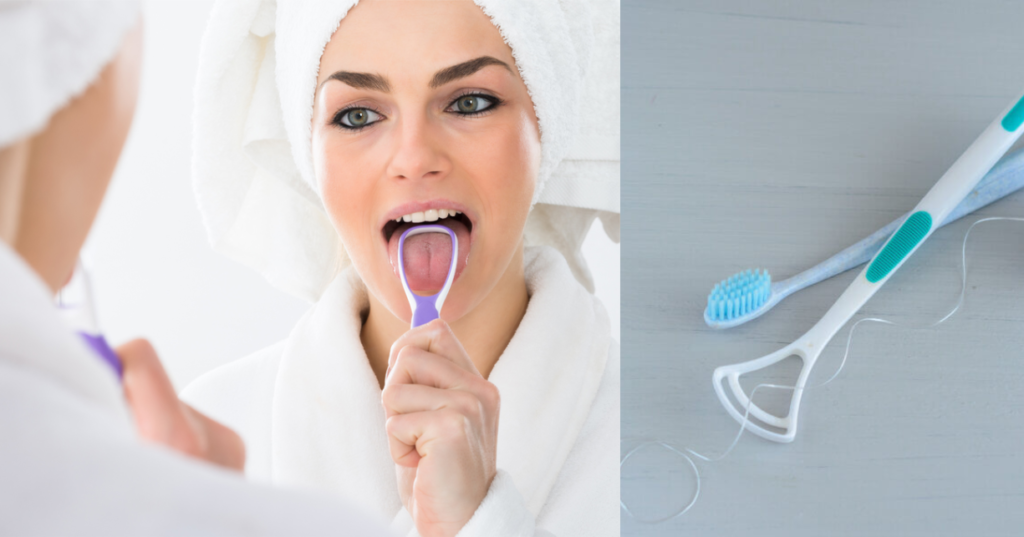
What Is the Correct Tongue Cleaning Process?
If you’ve ever wondered, “How do I clean my tongue properly?” here’s a clear and simple answer.
Step-by-Step Tongue Cleaning Guide
- Choose Your Tool
Use a tongue scraper or the back of some toothbrushes designed for tongue cleaning. - Stick Out Your Tongue
Extend your tongue comfortably to access the surface. - Start at the Back (Gently)
Place the scraper at the back of your tongue without triggering your gag reflex. - Pull Forward Slowly
Apply light pressure and pull the scraper toward the tip of your tongue. - Rinse and Repeat
Rinse the scraper and repeat 2–3 times until the coating is reduced. - Rinse Your Mouth
Finish by rinsing with water or mouthwash.
How Often Should You Clean Your Tongue?
For best results, incorporate the tongue cleaning process into your daily oral care routine—ideally once in the morning and optionally at night.
What Tools Work Best for Tongue Cleaning?
Choosing the right tool can transform your experience and results.
Tongue Scrapers
Metal (stainless steel or copper) and plastic scrapers are specifically designed to remove debris efficiently. They often provide better coverage than toothbrush bristles.
Toothbrush with Tongue Cleaner
Some toothbrushes include textured backs designed for gentle scraping. While convenient, they may not remove buildup as effectively as a dedicated scraper.
Electric Toothbrush Attachments
Certain electric toothbrush models offer tongue-cleaning modes. These can be helpful but should still be used gently to avoid irritation.
The best tool is the one you’ll use consistently. Comfort and ease matter more than complexity.
What Are the Benefits of the Tongue Cleaning Process?
When practiced consistently, this simple habit delivers powerful benefits.
Fresher Breath
Removing odor-causing bacteria can dramatically improve breath quality. Many people notice immediate results after their first proper cleaning.
Improved Taste Sensation
Excess buildup on the tongue can dull taste buds. By cleaning regularly, you may enhance your ability to enjoy flavors fully.
Reduced Plaque and Bacteria
Lower bacterial load supports healthier gums and teeth. This complements brushing and flossing for a more complete oral hygiene routine.
Better Overall Oral Health
A balanced oral microbiome reduces inflammation and supports long-term dental wellness.
By committing to this small daily action, you unlock meaningful improvements in your oral health.
Common Mistakes in the Tongue Cleaning Process
Even a simple habit can go wrong if not done properly. Here are common mistakes and how to avoid them.
Using Too Much Pressure
Pressing too hard can irritate the tongue and cause discomfort. Gentle, consistent strokes are more effective than aggressive scraping.
Cleaning Only the Tip
Most bacteria accumulate toward the back of the tongue. Carefully reaching this area—without forcing—ensures better results.
Skipping Consistency
Doing it occasionally won’t provide lasting benefits. Like brushing your teeth, the tongue cleaning process must be part of your routine.
Ignoring Tool Hygiene
Always rinse and clean your scraper after use. Replace plastic scrapers periodically to maintain hygiene.
Advanced Tips to Maximize Oral Health Results
Once you’ve mastered the basics, you can take your routine to the next level.
Combine with Proper Brushing Technique
Use fluoride toothpaste and brush for two minutes. Consider exploring related topics like:
- Proper brushing techniques for adults
- How flossing prevents gum disease
- The benefits of alcohol-free mouthwash
- Foods that strengthen tooth enamel
- Natural remedies for bad breath
These complementary habits amplify the benefits of the tongue cleaning process.
Stay Hydrated
Dry mouth encourages bacterial growth. Drinking enough water supports saliva production, which naturally cleanses the mouth.
Maintain Regular Dental Checkups
Professional cleanings remove tartar and detect issues early. Your dentist can also guide you on improving your oral care routine.
Adjust for Sensitive Gag Reflex
If you struggle with gagging:
- Clean your tongue before brushing
- Exhale slowly while scraping
- Start gradually and work farther back over time
Patience builds comfort and confidence.
Frequently Asked Question: Does Tongue Cleaning Really Work?
Yes, the tongue cleaning process works. Clinical research supports that tongue scraping significantly reduces volatile sulfur compounds responsible for bad breath. It also decreases bacterial accumulation more effectively than brushing alone.
If you’re looking for a direct answer:
Tongue cleaning removes bacteria and debris from the tongue’s surface, improving breath and supporting overall oral hygiene.
It’s a small habit with measurable impact.
How to Build a Sustainable Daily Habit
Habits stick when they’re simple and consistent. Here’s how you can make tongue cleaning automatic:
- Keep your scraper next to your toothbrush
- Attach it to your morning routine
- Track your progress for 21 days
- Notice improvements in breath freshness
When you experience the benefits firsthand, motivation becomes effortless.
Conclusion: Transform Your Oral Health One Simple Step at a Time
The tongue cleaning process is a small but powerful addition to your daily routine. It freshens breath, reduces bacteria, enhances taste, and strengthens your overall oral hygiene strategy. Best of all, it takes less than a minute.
You don’t need complicated tools or expensive treatments. You just need consistency. By embracing this simple daily habit, you take control of your oral health and unlock a cleaner, healthier smile. Start today, stay consistent, and discover how such a small action can deliver lasting results.
Important Disclaimer: This article is for informational purposes only and should not replace professional advice. For health-related topics, consult healthcare providers. Individual results may vary, and personal circumstances should always be considered when implementing any suggestions.