Meta Description: Learn about hemorrhoids (piles), including symptoms, causes, risk factors, and effective care strategies for relief and prevention.
Hemorrhoids, commonly known as piles, are enlarged blood vessels in the lower rectum or anus. They can cause discomfort, itching, pain, and bleeding, especially during bowel movements.
Although hemorrhoids are very common and often not dangerous, they can significantly affect quality of life if not managed properly.
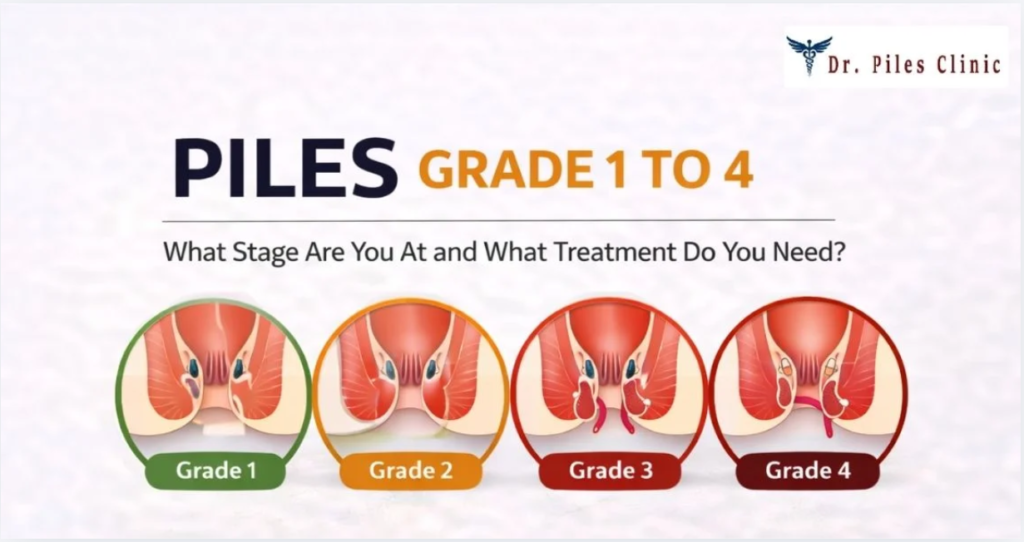
Featured Snippet: What are the symptoms of hemorrhoids?
Common hemorrhoid symptoms include rectal pain, itching, swelling around the anus, discomfort during bowel movements, and bright red blood on toilet paper or in stool.
What Are Hemorrhoids?
Hemorrhoids develop when increased pressure causes veins in the rectal area to swell and become inflamed.
They are classified into:
- Internal hemorrhoids (inside the rectum)
- External hemorrhoids (under the skin around the anus)
Common Signs and Symptoms
1. Rectal bleeding
- Bright red blood during or after bowel movements
- Blood on toilet paper or in the toilet bowl
2. Itching and irritation
- Persistent anal discomfort
- Skin irritation around the anus
3. Pain or discomfort
More common in external hemorrhoids.
- Pain when sitting
- Pain during bowel movements
4. Swelling or lumps
- Soft or hard swelling near the anus
- May feel tender or sensitive
Featured Snippet: What is the most common sign of hemorrhoids?
The most common sign of hemorrhoids is painless rectal bleeding, especially bright red blood noticed during or after bowel movements.
Causes of Hemorrhoids
Hemorrhoids develop due to increased pressure in the lower rectal veins.
Common causes include:
- Chronic constipation
- Straining during bowel movements
- Prolonged sitting
- Low-fiber diet
- Pregnancy
- Obesity
Risk Factors
1. Diet low in fiber
Leads to harder stools and straining.
2. Sedentary lifestyle
Reduces normal bowel movement function.
3. Pregnancy
Increased abdominal pressure affects veins.
4. Aging
Tissue support weakens over time.
Featured Snippet: What causes hemorrhoids?
Hemorrhoids are caused by increased pressure in rectal veins due to constipation, straining, prolonged sitting, pregnancy, obesity, or low-fiber diets.
Types of Hemorrhoids
Internal hemorrhoids
- Located inside the rectum
- Usually painless
- May cause bleeding
External hemorrhoids
- Located around the anus
- Can be painful
- May form clots (thrombosed hemorrhoids)
Home Care and Relief Strategies
1. Increase fiber intake
Helps soften stool and reduce straining.
Sources:
- Fruits
- Vegetables
- Whole grains
2. Stay hydrated
Improves stool consistency and bowel movement ease.
3. Warm sitz baths
- Relieves pain and itching
- Improves blood circulation
4. Avoid straining
Do not force bowel movements.
5. Use topical treatments
- Creams or ointments may reduce inflammation
- Soothing wipes may help hygiene
Medical Treatment Options
1. Minimally invasive procedures
- Rubber band ligation
- Sclerotherapy
2. Surgical treatment
- Used for severe or persistent cases
- Hemorrhoidectomy in advanced conditions
Featured Snippet: How are hemorrhoids treated?
Hemorrhoids are treated with dietary changes, topical creams, warm baths, minimally invasive procedures, or surgery in severe cases.
Prevention Tips
1. High-fiber diet
Prevents constipation and straining.
2. Regular exercise
Improves bowel function and circulation.
3. Proper toilet habits
- Avoid prolonged sitting on the toilet
- Respond promptly to bowel urges
4. Healthy weight management
Reduces abdominal pressure on veins.
When to See a Doctor
Seek medical attention if you experience:
- Persistent or heavy bleeding
- Severe pain
- Changes in bowel habits
- Symptoms lasting more than a week
Internal Linking Opportunities
This topic connects well with:
- Digestive health and constipation
- Gut motility and fiber intake
- Rectal bleeding differential diagnosis
- Inflammatory bowel conditions
- Circulatory and vascular health
Conclusion
Hemorrhoids are a common condition caused by increased pressure in rectal veins, leading to symptoms such as bleeding, pain, itching, and swelling. While often manageable with lifestyle changes and home care, persistent or severe cases require medical evaluation.
A high-fiber diet, proper hydration, and healthy bowel habits are key to both treatment and prevention.
Important Disclaimer: This article is for educational purposes only and should not replace professional medical advice. Persistent rectal bleeding or pain should be evaluated by a qualified healthcare provider.