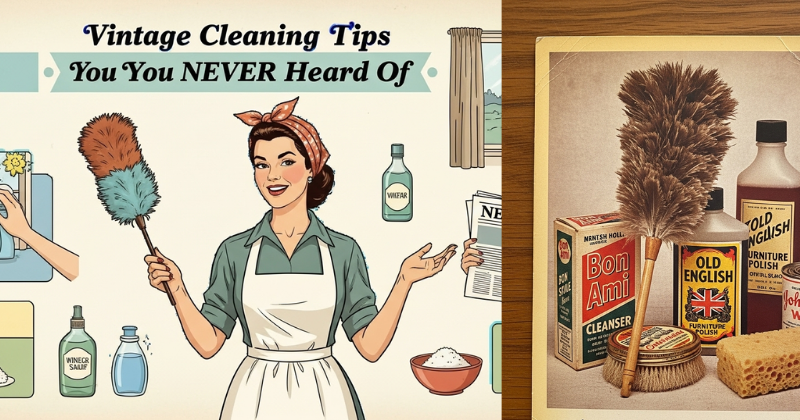
Rediscover vintage cleaning tips you NEVER heard of to transform your home. Learn how to use natural pantry staples to achieve a professional, toxin-free shine today.
Have you ever walked into an antique shop or a historic home and wondered how they kept everything so pristine before the invention of modern chemical sprays? Our grandmothers possessed a wealth of “household magic” that has largely been forgotten in the age of plastic bottles and synthetic fragrances. Today, we are going to pull back the curtain on vintage cleaning tips you NEVER heard of—secrets that aren’t just charmingly nostalgic, but incredibly effective. By embracing these time-tested methods, you can unlock a sparkling home while saving money and protecting your family from harsh fumes.
In this guide, we will explore how everyday items like stale bread, cold tea, and even potatoes can become your most powerful cleaning allies. Whether you are trying to restore a thrifted find or just want a more sustainable way to maintain your modern space, these tricks offer a transformation you have to see to believe. You have the capability to manage your home with the grace and efficiency of the past. Let’s rediscover these heritage hacks and achieve a cleaner, greener sanctuary!

Foundation: The Wisdom of the Vintage Pantry
Before we reveal the specific methods, it is essential to build confidence in why these “old-school” concepts work. Vintage cleaning relies on basic chemistry rather than complex lab-created formulas.
The Power of Natural Abrasives and Acids
In the past, cleaners were chosen based on their pH levels. Lemons and vinegar provided the acid to cut through mineral deposits and grease, while salt and baking soda provided the gentle friction needed to lift grime. These vintage cleaning tips you NEVER heard of utilize these safe, edible components to achieve results that rival modern industrial cleaners.
Why Go Retro?
- Cost-Effectiveness: Most of these ingredients cost pennies compared to specialized sprays.
- Safety: You don’t have to worry about “toxic fumes” or skin irritation.
- Sustainability: By using pantry staples, you reduce plastic waste and chemical runoff into our water systems.
Reassurance for Beginners
If you are used to the convenience of store-bought wipes, switching to a [DIY cleaning approach] might feel like more work. However, many of these methods are “passive”—meaning the ingredients do the heavy lifting while you focus on other things. You are fully capable of making this shift, and your home will feel much fresher for it.
Step-by-Step: 3 Forgotten Cleaning Rituals
Ready to see these vintage cleaning tips you NEVER heard of in action? Here are three core methods that have stood the test of time but rarely make it into modern cleaning manuals.
1. The Bread Rub for Delicate Walls
Before the era of “magic erasers,” housewives used bread to clean soot and fingerprints from delicate wallpaper and painted surfaces.
- Step 1: Take a piece of stale white bread (crusts removed).
- Step 2: Roll the soft center into a firm ball.
- Step 3: Gently “erase” smudges by dabbing and rubbing the bread over the spot. The gluten acts as a natural adhesive that pulls dirt away without damaging the finish.
2. The Potato Rust Remover
If you have rusty cast iron or garden tools, a potato is your best friend.
- Step 1: Cut a large potato in half.
- Step 2: Dip the cut end into a bowl of salt or baking soda.
- Step 3: Scrub the rusty area. The oxalic acid in the potato breaks down the rust, while the salt provides the scrub. Rinse and dry immediately!
3. The Cold Tea Wood Shine
Grandmother never threw away the bottom of the teapot. Cold black tea is one of the best ways to clean dark wood.
- Step 1: Brew a very strong pot of black tea and let it cool completely.
- Step 2: Dip a soft cloth into the tea and wring it out well.
- Step 3: Wipe down your wood floors or furniture. The tannins in the tea add a subtle depth to the color and leave a streak-free shine that [commercial waxes] can’t match.
Advanced Strategies: Pro Secrets for Modern Challenges
Once you have the basics down, you can use these expert-level insights to customize your vintage cleaning routine for contemporary appliances.
The Newspaper Glass Secret
For windows that are so clear they look invisible, skip the paper towels. Crumpled-up old newspaper is the professional’s secret. The ink acts as a very fine abrasive that polishes the glass, and the paper doesn’t leave behind any lint. This is a perfect [home tip] for achieving a streak-free finish every time.
Essential Oil Infusions
While the old ways were effective, they didn’t always smell like “spring meadows.” You can modernize these tips by [learning how to use essential oils] in your vinegar sprays. Adding 10 drops of lemon or eucalyptus to your vinegar and water mix will neutralize the vinegar scent and provide extra antibacterial power.
Pro-Tip: Steam Cleaning with Citrus
To clean a greasy microwave or oven without scrubbing, place a bowl of water with several lemon halves inside. Set it to high for five minutes and let the steam dwell for another ten. The citric acid travels with the steam to loosen every bit of baked-on food, allowing you to wipe it clean with a single pass.
Troubleshooting: Common Challenges and Solutions
Even with the best vintage cleaning tips you NEVER heard of, you might run into a few hurdles. Here is how to handle them with encouragement.
“The vinegar smell is too strong for my family.”
- The Solution: Always use a 1:1 ratio of water to vinegar. If the scent bothers you, add a sprig of rosemary or a few cloves to the bottle. The scent disappears completely once the surface is dry!
- Alternative: Use citric acid powder dissolved in water for an odorless acidic cleaner.
“I’m worried about scratching my stainless steel.”
- The Fix: When using abrasives like salt or baking soda, always rub with the grain of the metal. If you are unsure, start with a “soft scrub” made of baking soda and liquid castile soap, which is much gentler than salt.
“I can’t find old-fashioned soap flakes.”
- The Solution: You can make your own! Simply grate a bar of pure castile soap using a kitchen grater. This is a fantastic [sustainable lifestyle change] that ensures you know exactly what is in your laundry and floor cleaners.
Maximizing Results: The Holistic Clean Home
To build upon your success, view your cleaning routine as a part of your overall wellness. By removing synthetic chemicals, you are creating a healthier environment where you can [reduce stress naturally].
Seasonal Maintenance
Just as in the past, “spring cleaning” was a literal necessity to remove winter soot. Adopt a seasonal schedule to deep-clean areas you might usually skip. For example, use your [homemade magnesium oil] spray to soothe your muscles after a day of deep-cleaning the attic or garage.
Featured Snippet Potential: What is the best vintage cleaning tip for odors?
The best vintage cleaning tip for eliminating tough odors is using a combination of white vinegar and baking soda. For carpets, sprinkle baking soda, let sit for 30 minutes, and vacuum. For hard surfaces, wipe with a 50/50 vinegar and water solution. To remove “musty” smells from closets, place a bowl of dried coffee grounds or a piece of charcoal in the corner to naturally absorb moisture and scent without using synthetic perfumes.
Conclusion
Rediscovering vintage cleaning tips you NEVER heard of is an empowering way to reclaim your home from the cycle of expensive, chemical-heavy products. You have discovered that you have the capability to succeed in maintaining a professional-grade home using nothing more than what is already in your kitchen. These transformative habits achieve more than just a clean surface; they offer a safer, more sustainable way to live.
You’ve got this! Start small—try the “bread trick” on one smudge or the “potato scrub” on an old pan today. Once you see these vintage secrets in action, you’ll never want to go back to the chemical aisle again.