Meta Description: Learn how warm and cool therapy can help relieve headaches, including tension headaches and migraines, and understand when each approach may be beneficial.
Headaches are among the most common neurological complaints worldwide, and they can range from mild discomfort to severe, disabling pain. One simple, non-pharmacological approach often used for symptom relief is temperature therapy, including both warm and cool applications.
Understanding when to use heat or cold can help improve comfort and reduce headache intensity depending on the underlying cause.
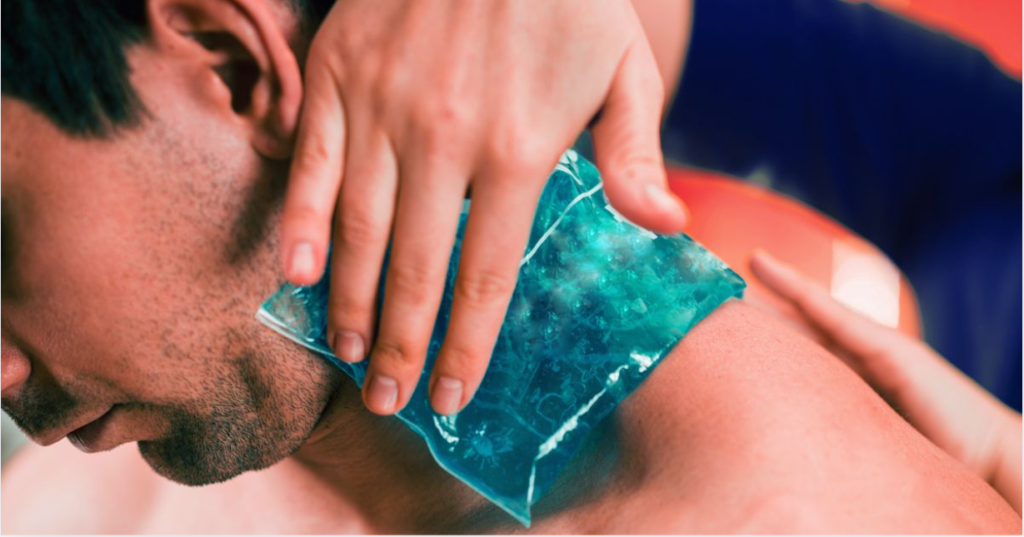
What Is Warm and Cool Therapy for Headaches?
Warm and cool therapy involves applying:
- Heat (warm compresses) to relax muscles and improve blood flow
- Cold (ice packs or cool compresses) to reduce inflammation and numb pain
Both methods influence blood vessels, nerve sensitivity, and muscle tension.
Featured Snippet: How does temperature therapy help headaches?
Warm therapy relaxes tight muscles and improves circulation, while cool therapy reduces inflammation and numbs pain signals, helping relieve different types of headaches.
Warm Therapy for Headache Relief
Warm therapy is most useful when headaches are linked to muscle tension or stress.
How it works
Heat helps:
- Relax tightened muscles in the neck and scalp
- Improve blood circulation
- Reduce stiffness and tension
Best for:
- Tension headaches
- Stress-related headaches
- Neck and shoulder muscle tightness
How to apply warm therapy
- Warm towel or heating pad
- Apply to neck, shoulders, or base of the skull
- Use for 10–20 minutes
Featured Snippet: When should you use warm therapy for headaches?
Warm therapy is best used for tension headaches caused by muscle tightness or stress, as it helps relax muscles and improve blood flow.
Cool Therapy for Headache Relief
Cool therapy is more effective for inflammatory or migraine-type headaches.
How it works
Cold helps:
- Constrict blood vessels
- Reduce inflammation
- Numb pain signals
- Slow nerve activity
Best for:
- Migraine
- Throbbing or pulsating headaches
- Headaches with light or sound sensitivity
How to apply cool therapy
- Ice pack wrapped in cloth
- Cold gel pack
- Apply to forehead, temples, or back of neck
- Use for 10–15 minutes
Featured Snippet: When should you use cold therapy for headaches?
Cold therapy is most effective for migraines and throbbing headaches, as it reduces inflammation and numbs pain pathways.
Warm vs Cool Therapy: Key Differences
| Feature | Warm Therapy | Cool Therapy |
|---|---|---|
| Main effect | Relaxes muscles | Reduces inflammation |
| Blood vessels | Dilates | Constricts |
| Best for | Tension headaches | Migraines |
| Sensation | Soothing warmth | Numbing cold |
| Application area | Neck, shoulders | Forehead, temples |
Can You Combine Both?
In some cases, alternating warm and cool therapy may help, especially if:
- Headache involves both muscle tension and vascular components
- Pain shifts between tightness and throbbing
However, they should not be applied at the same time to the same area.
Featured Snippet: Can heat and cold be used together for headaches?
Yes, warm and cold therapy can be alternated depending on symptoms, but they should not be applied simultaneously to the same area.
Safety Tips for Temperature Therapy
For warm therapy
- Avoid excessive heat
- Do not apply to swollen or inflamed areas
- Limit use to short intervals
For cold therapy
- Always wrap ice in cloth
- Avoid direct skin contact
- Do not use for long periods
When Headache Relief May Require Medical Attention
Seek medical evaluation if headaches include:
- Sudden severe pain (“worst headache”)
- Vision changes
- Neurological symptoms (weakness, confusion)
- Persistent or worsening pattern
- Headache after head injury
Featured Snippet: When should you worry about a headache?
A headache may require medical attention if it is sudden, severe, recurrent, or associated with neurological symptoms such as vision changes or weakness.
Internal Linking Opportunities
This topic connects well with:
- Migraine pathophysiology
- Tension headache causes
- Neurovascular regulation
- Stress and muscle tension
- Pain management strategies
Conclusion
Warm and cool therapy are simple, accessible methods that may help relieve different types of headaches by targeting muscle tension, blood flow, and inflammation. Warm therapy is generally better for tension-related pain, while cool therapy is more effective for migraines and throbbing headaches.
Choosing the right approach based on symptoms can improve comfort and support overall headache management.
Important Disclaimer: This article is for educational purposes only and should not replace professional medical advice. Persistent, severe, or unusual headaches should be evaluated by a healthcare professional.