Meta Description: What looks like a simple pimple could hide a serious condition. Discover warning signs, causes, and when to seek medical help for unusual skin bumps.
Introduction
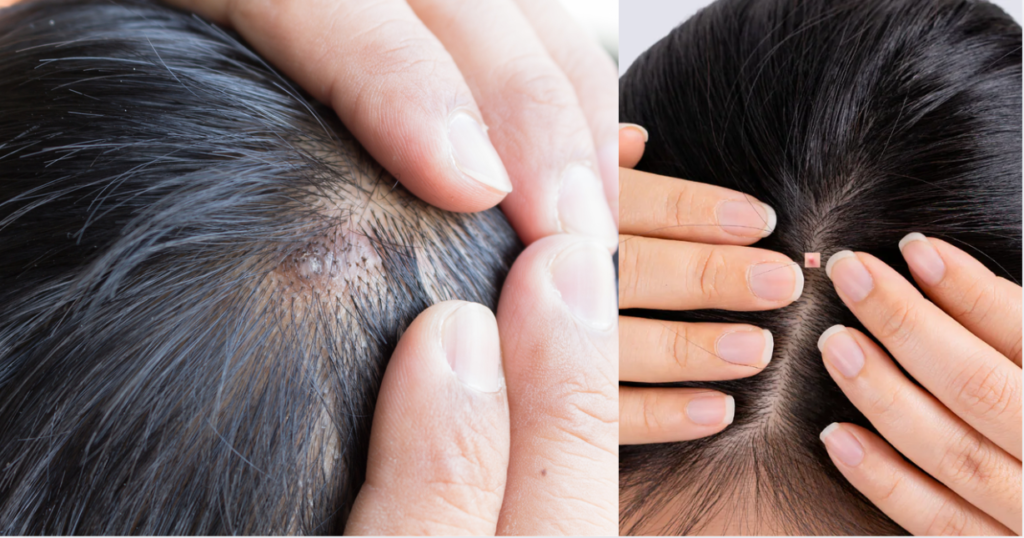
It’s easy to ignore a small bump on your skin. After all, most of us have dealt with pimples, clogged pores, or minor irritations at some point. But what if that “harmless” spot isn’t what it seems? Stories are emerging of cases where what looked like a simple pimple hid a shocking secret—one that required medical attention and, in some cases, urgent care.
In this article, you’ll discover what doctors have found behind unusual skin bumps, how to recognize warning signs, and what steps you can take to protect your health. Understanding your body is powerful, and learning to spot the difference between a normal pimple and something more serious could make all the difference.
Section 1: Foundation – Understanding Skin Changes
Before jumping to conclusions, it’s important to understand how your skin works and why bumps appear.
H3: What Is a Typical Pimple?
A pimple usually forms when:
- Hair follicles become clogged with oil and dead skin
- Bacteria multiply inside the pore
- Inflammation causes redness and swelling
These are common in conditions like acne and are usually harmless.
H3: Why Some “Pimples” Are Not What They Seem
Not every bump is acne. Some may actually be:
- Cysts
- Abscesses
- Benign growths
- In rare cases, skin cancers
Doctors often emphasize that persistent or unusual bumps should never be ignored.
H3: The “Shocking Secret” Behind Some Cases
In real-life medical reports, what seemed like a pimple turned out to be:
- A deep infection
- A parasitic infestation
- A sebaceous cyst filled with keratin
- Early-stage skin cancer
These discoveries highlight why awareness matters.
Section 2: Step-by-Step – How to Identify a Suspicious Skin Bump
Recognizing early warning signs can help you act quickly and confidently.
H3: Step 1 – Observe Changes Over Time
A normal pimple:
- Appears quickly
- Heals within a few days to a week
A suspicious bump may:
- Persist for weeks
- Grow in size
- Change color or shape
H3: Step 2 – Look for Red Flags
Watch for these signs:
- Severe pain or tenderness
- Bleeding or oozing
- Irregular borders
- Dark or uneven pigmentation
These symptoms may require evaluation by a specialist in dermatology.
H3: Step 3 – Pay Attention to Location
Certain areas of the body are more prone to serious conditions:
- Scalp
- Back
- Face
- Underarms
A bump in these areas that doesn’t heal should not be ignored.
H3: Step 4 – Avoid Self-Treatment
It’s tempting to squeeze or pop a bump, but this can:
- Spread infection
- Cause scarring
- Delay proper diagnosis
Instead, monitor it carefully and seek professional advice if needed.
Section 3: Advanced Insights – What Doctors Look For
When you visit a healthcare provider, they rely on experience and diagnostic tools to determine what’s really going on.
H3: Clinical Examination
Doctors assess:
- Size, shape, and texture
- Color and borders
- Presence of fluid or pus
They may also ask about your medical history and lifestyle.
H3: Diagnostic Procedures
In some cases, further tests are needed:
- Biopsy: A small sample of tissue is analyzed
- Imaging: For deeper or unusual masses
- Lab tests: To detect infection or abnormal cells
These steps help rule out serious conditions like tumors or chronic infections.
H3: Common Surprising Diagnoses
Some unexpected findings include:
- Epidermoid cysts: Often mistaken for pimples
- Boils (furuncles): Caused by bacterial infection
- Lipomas: Soft, fatty lumps under the skin
- Early signs of melanoma or other skin cancers
Understanding these possibilities can help you stay informed without unnecessary fear.
Section 4: Troubleshooting – Common Mistakes and Misconceptions
Many people delay care because they assume all bumps are harmless.
H4: Mistake 1 – “It’s Just Acne”
Not all skin bumps are acne. If it behaves differently, it deserves attention.
H4: Mistake 2 – Waiting Too Long
Delaying evaluation can allow a condition to worsen. Early detection is key.
H4: Mistake 3 – Using Harsh Treatments
Applying strong acne products to non-acne conditions can:
- Irritate the skin
- Mask symptoms
- Complicate diagnosis
H4: How to Stay Safe
- Monitor any unusual skin changes
- Take photos to track progression
- Seek medical advice when in doubt
Section 5: Maximizing Your Skin Health Awareness
The goal isn’t to create anxiety—it’s to empower you with knowledge.
H3: Build a Simple Skin Check Routine
Once a month, take a few minutes to:
- Examine your skin in good lighting
- Look for new or changing spots
- Check hard-to-see areas with a mirror
H3: Support Healthy Skin Daily
Healthy habits reduce risks:
- Stay hydrated
- Eat nutrient-rich foods
- Protect your skin from excessive sun exposure
- Maintain proper hygiene
H3: Internal Linking Opportunities
To deepen your understanding, explore related topics like:
- “Common Signs of Skin Cancer You Shouldn’t Ignore”
- “How to Treat Acne Naturally and Effectively”
- “Understanding Cysts and Skin Growths”
- “Daily Skincare Routine for Healthy Skin”
Featured Snippet: When Should You Worry About a Pimple?
You should worry about a pimple if it lasts longer than two weeks, grows in size, changes color, bleeds, or causes significant pain. These signs may indicate a condition that requires medical evaluation.
Conclusion
What looked like a simple pimple can sometimes hide a deeper issue—but with the right knowledge, you can stay one step ahead. By paying attention to your skin, recognizing warning signs, and seeking help when needed, you protect not just your appearance but your overall health.
Remember, your body often gives you signals before something serious develops. Trust those signals. Stay observant, stay proactive, and take action when something doesn’t feel right. Your awareness is your greatest tool for prevention and peace of mind.
Important Disclaimer: This article is for informational purposes only and should not replace professional advice. For health-related topics, consult healthcare providers. Individual results may vary, and personal circumstances should always be considered when implementing any suggestions.